Yellow goldflake shrimp
Caridina spinata
2 views
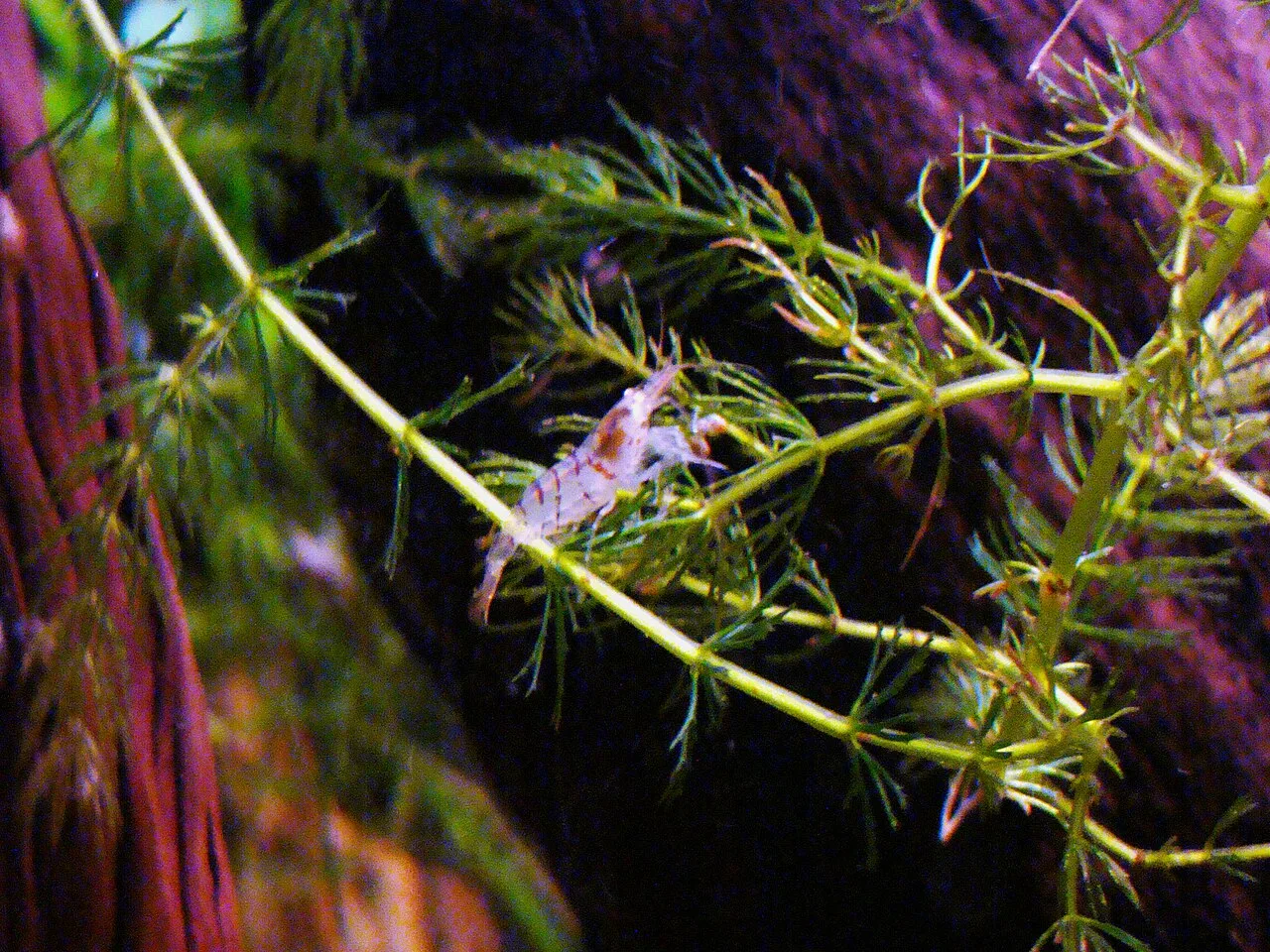
A dwarf shrimp from Lake Towuti on Sulawesi with golden yellow spots. Like all Sulawesi shrimp it needs warm, soft, alkaline water.
- Temperature
- 26 – 30 °C
- pH
- 7.5 – 8.5 pH
- General hardness
- 3 – 8 °dH
- Maximum size
- 2.5 cm
- Social behavior
- Group
- Diet
- Omnivore
2 min read · 246 words
Fresh water
No reviewed photograph has been published for this species.
Quick facts
Further published values
- Minimum group size
- 10
- Minimum tank size
- 40 L
Place in the aquarium
Highlighted are the water layer and the spots where the species usually stays in the tank.
- Near the bottom Mostly stays just above the bottom. Food has to reach the substrate.
- Rocks and caves Needs caves, crevices or rockwork as hiding place, territory or spawning site.
Home & range
Hatched countries are where the species occurs. It lives in particular waters there, not across the whole country. The points name known waters for orientation, not collection sites.
- Country of origin
- Water for orientation
Native
- Sulawesi, Lake Towuti
- Endemic to Lake Towuti, on rocky ground at three to five metres.
Overview
Caridina spinata carries golden yellow spots and speckles on a pale to reddish body, varying in strength between animals and with their mood. It stays small, around 2 to 2.5 cm. Several Sulawesi shrimp are sold under similar names. The scientific name on the label therefore matters more than the trade name.
Range and habitat
This describes the origin, not how to furnish the aquarium.
Endemic to Lake Towuti in southern Sulawesi. It lives on rocky ground; adults prefer depths of three to five metres. It does not occur in Lake Matano. There, introduced flowerhorn cichlids have already heavily reduced the native Caridina. Should these fish reach Lake Towuti as well, it would threaten the species. Nickel mining and increasing collection for the trade add to this.
Keeping
Tank
A species tank from about 40 litres, many stones with rough surfaces, little movement in the substrate.
Water
26 to 30 °C, pH 7.5 to 8.5, GH 3 to 8 °dH. Reverse osmosis water with a suitable mineral salt. Values stay as constant as possible; water changes in small amounts with precisely matched water.
Companions
On their own or with other invertebrates from the Malili lakes. Other Caridina from the same lakes can cross with it. Fish are not good company.
Diet
Biofilm and aufwuchs. Fine shrimp food and biofilm powder in small amounts. Remove leftovers at once, because the warm water turns quickly.
Behaviour and moulting
Peaceful, sociable and easy to see on stone surfaces when it feels comfortable.
Reproduction and larvae
Few large eggs that hatch into finished small shrimp. There are no free larvae. Breeding succeeds in fresh water, but rarely in large numbers.
More species in this group
Similar water needs
Species with a similar temperature, a similar pH and a comparable adult size. Whether their behaviour fits as well is what the compatibility check is for.