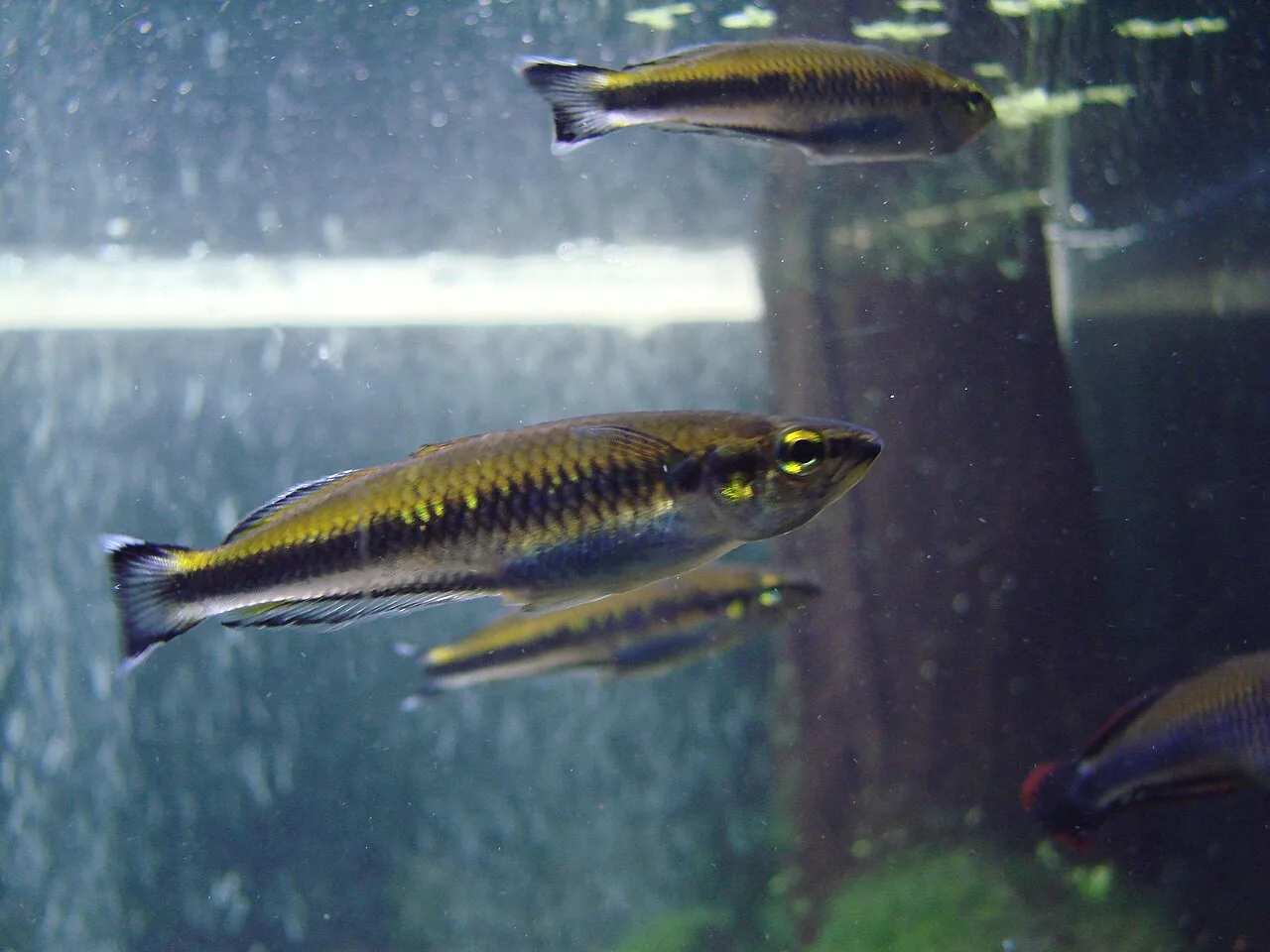
Black helmet nerite
Neritina pulligera
2 views
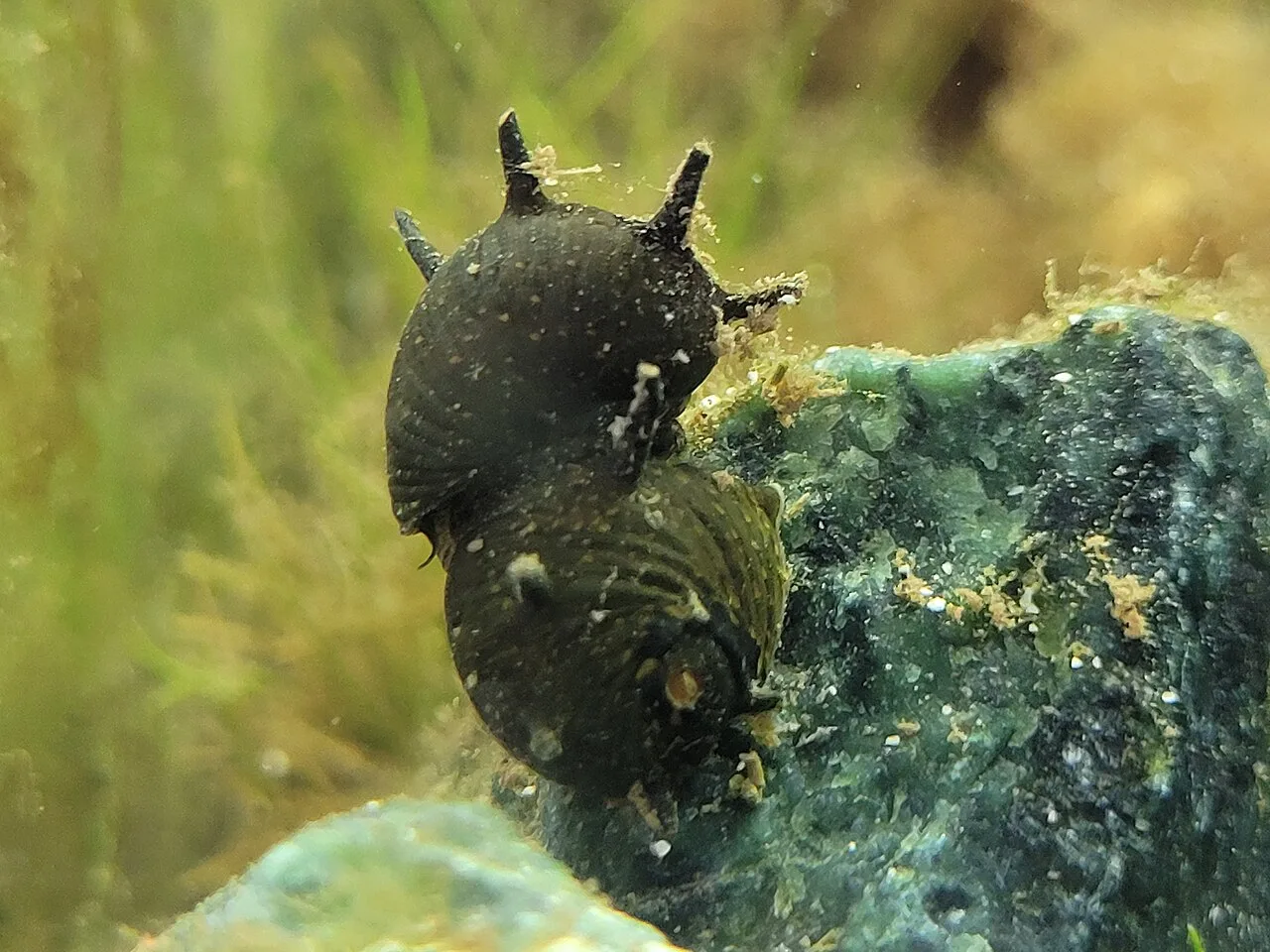
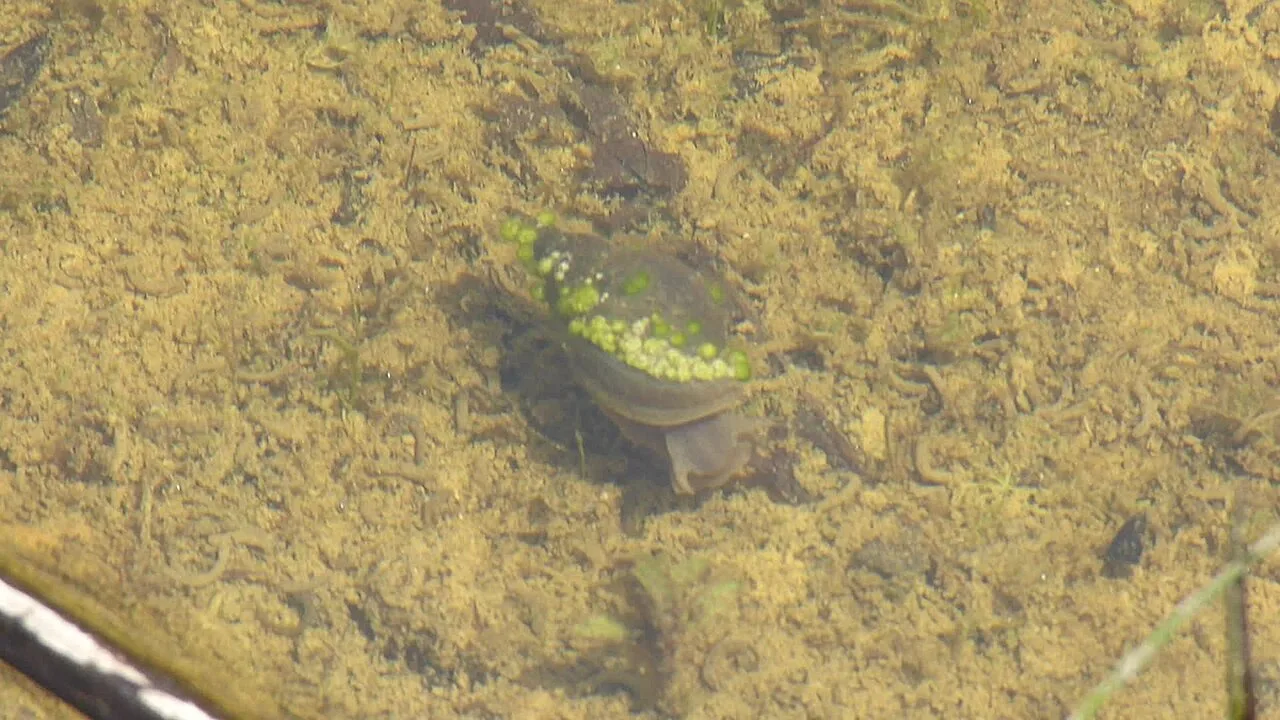
A large, dark nerite from coastal rivers of the Indo-Pacific with an orange band in the aperture. It also eats brush algae.
- Temperature
- 18 – 30 °C
- pH
- 7 – 8.5 pH
- General hardness
- 8 – 18 °dH
- Maximum size
- 4 cm
- Social behavior
- Peaceful
- Diet
- Herbivore
2 min read · 262 words
Fresh water, larvae in salt or brackish water
Quick facts
Further published values
- Minimum tank size
- 40 L
Place in the aquarium
Highlighted are the water layer and the spots where the species usually stays in the tank.
- Near the bottom Mostly stays just above the bottom. Food has to reach the substrate.
- Wood and roots Uses roots as shelter or grazes biofilm from them.
- Rocks and caves Needs caves, crevices or rockwork as hiding place, territory or spawning site.
Home & range
Hatched countries are where the species occurs. It lives in particular waters there, not across the whole country. The points name known waters for orientation, not collection sites.
- Country of origin
- Water for orientation
Native
Overview
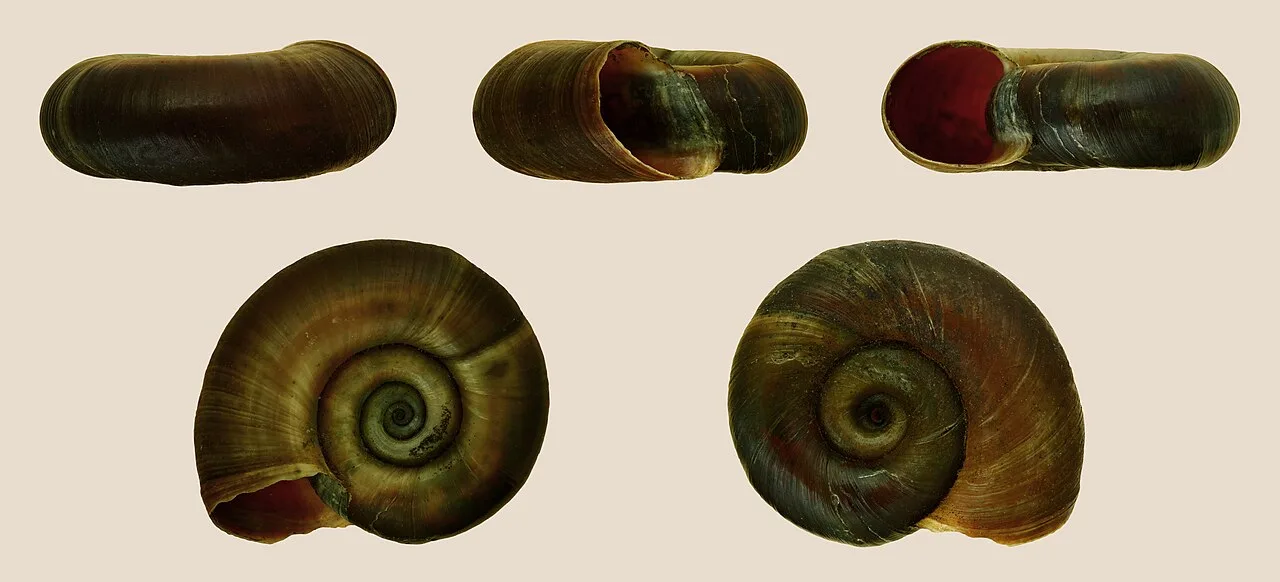
The elliptical, moderately domed shell reaches 21 to 40 mm in diameter in the wild, usually 2.5 to 3 cm in the aquarium. The spire is very small and sunken. Outside the shell is dark greenish brown to black, with an indistinct pattern of fine lines and drops beneath. Inside the aperture is greyish white, with an orange band behind the lip. The operculum is yellowish green with dark rays and a red edge.
Other names include brown racer nerite and black ball nerite.
Range and habitat
This describes the origin, not how to furnish the aquarium.
Rivers along the coasts of the Indo-Pacific: South Africa, Kenya, Madagascar, Seychelles, the Andaman and Nicobar Islands, Indonesia, New Guinea, Palau, Guam, the Caroline Islands, the Solomon Islands, Taiwan and Okinawa. The snails live on stones and leaves in fast-flowing rivers near the coast.
Keeping
Tank
From about 40 litres with current, stones and wood. Tight cover.
Water
18 to 30 °C are tolerated; 22 to 28 °C suit it well. pH 7 to 8.5, GH from about 8 °dH.
Companions
With shrimp and peaceful fish.
Diet
Detritus and algal growth on plants and stones, including brush algae. When algae are lacking, it takes algae tablets and vegetables.
Behaviour and moulting
Calm and persistent when grazing. It usually stays in the water but leaves the tank when the water is poor.
Reproduction and larvae
Separate sexes. The female places egg capsules on stones and roots. Free-swimming larvae hatch, drift into the sea and feed on plankton there. In fresh water they survive only briefly. Shortly before metamorphosis they seek out brackish water; afterwards the young snails migrate up the rivers. Captive breeding has not succeeded so far; all animals in the trade are wild-caught.
Gallery
More species in this group
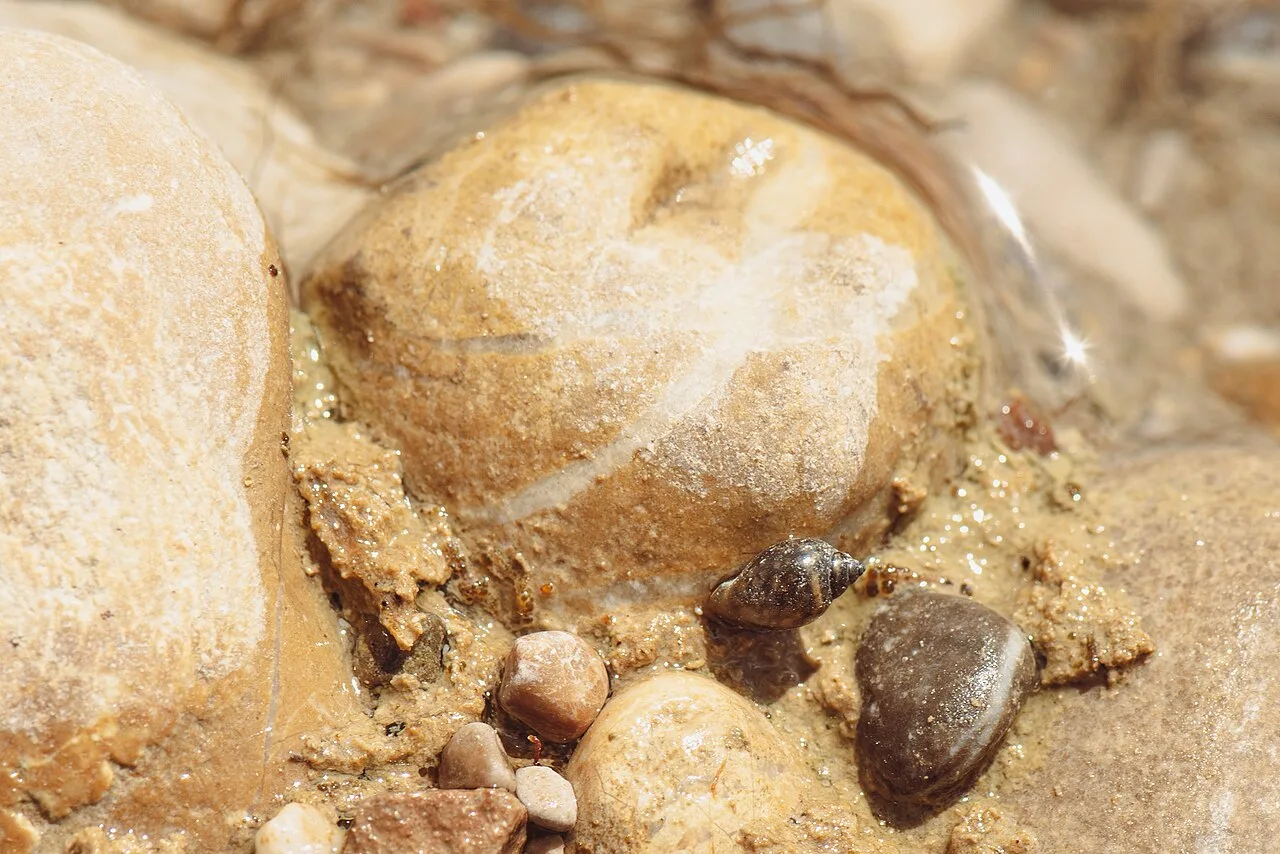
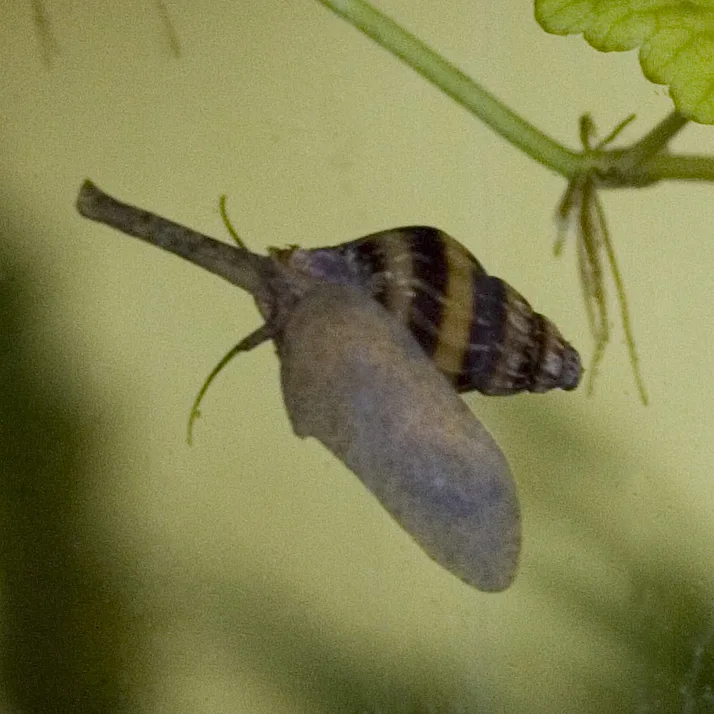
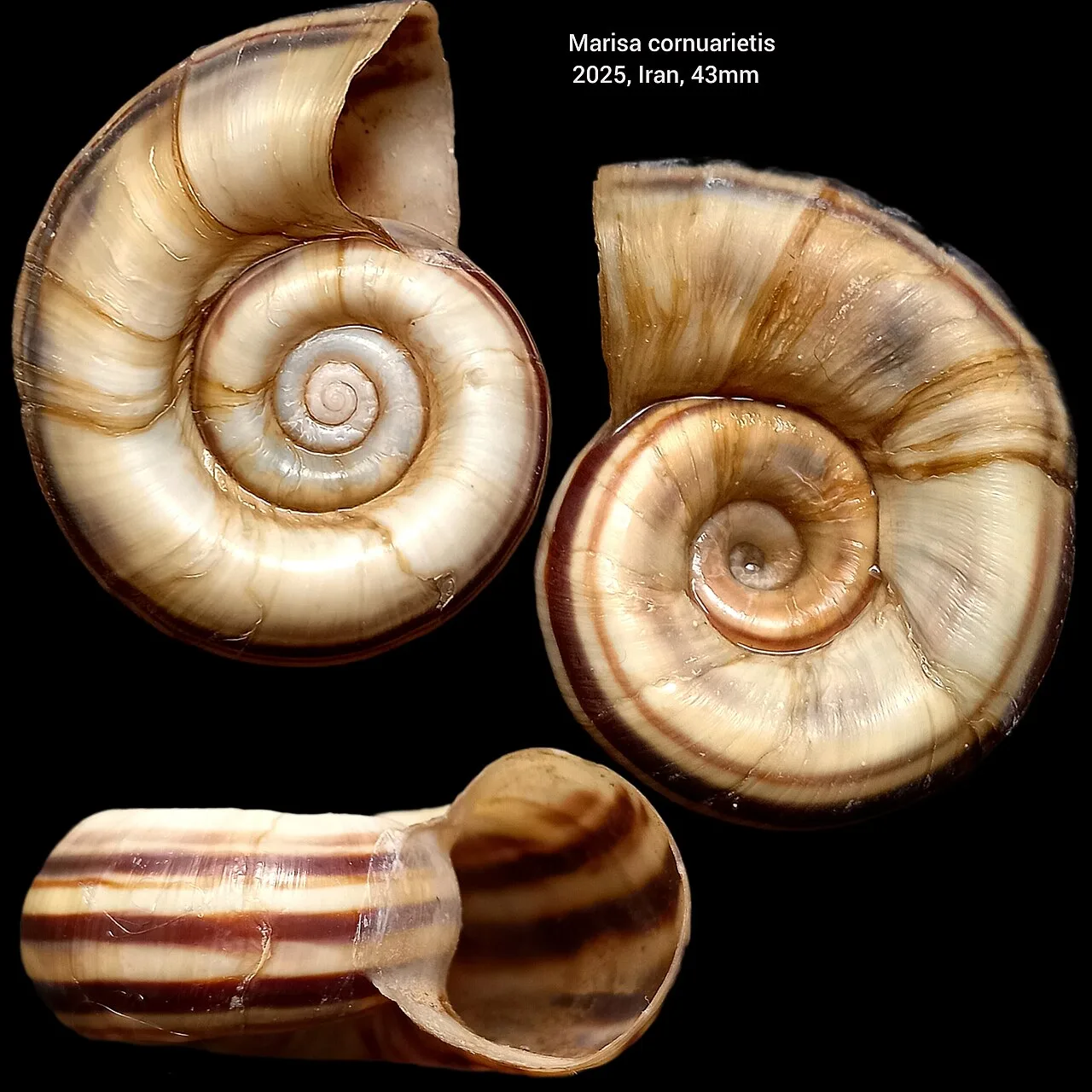
Similar water needs
Species with a similar temperature, a similar pH and a comparable adult size. Whether their behaviour fits as well is what the compatibility check is for.