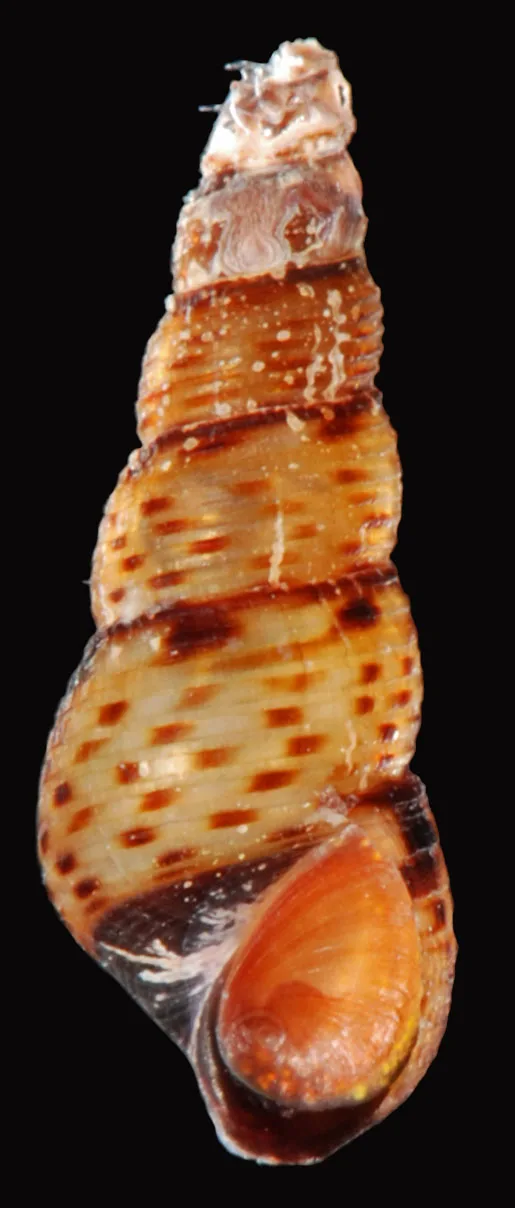
Cardinal shrimp
Caridina dennerli
25 views
Endemic to Lake Matano on Sulawesi. The water figures given are measurements of the lake, not an aquarium recommendation.
- Temperature
- 25 – 29 °C
- pH
- 7.5 – 8.5 pH
- General hardness
- 3 – 8 °dH
- Maximum size
- 2.5
- Social behavior
- Group
2 min read · 219 words
Fresh water
Quick facts
Further published values
- Minimum group size
- 10
- Minimum tank size
- 30 L
Place in the aquarium
Highlighted are the water layer and the spots where the species usually stays in the tank.
- Near the bottom Mostly stays just above the bottom. Food has to reach the substrate.
- Rocks and caves Needs caves, crevices or rockwork as hiding place, territory or spawning site.
Home & range
Hatched countries are where the species occurs. It lives in particular waters there, not across the whole country. The points name known waters for orientation, not collection sites.
- Country of origin
- Water for orientation
Native
- Lake Matano
- Only Lake Matano on Sulawesi.
Overview
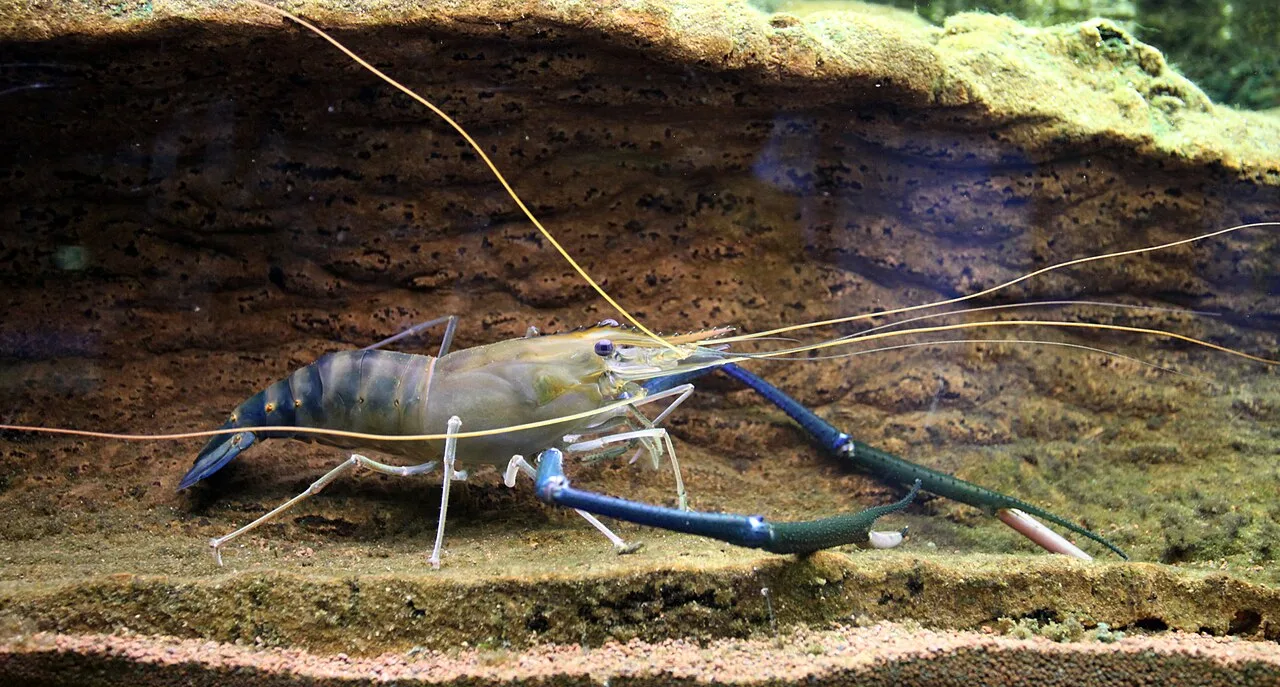
Caridina dennerli, cardinal shrimp or Sulawesi shrimp, belongs to the genus Caridina. Dennerle sponsored the name because the firm supported the expedition that found the species. Shrimp from Sulawesi have clearly reduced epipods on the rear walking legs.
Range and habitat
This describes the origin, not how to furnish the aquarium.
Endemic to Lake Matano on Sulawesi, Indonesia. In the lake, 27 to 30 °C, conductivity 200 to 300 µS/cm, GH 7, KH 5, pH clearly above 8. Those are measurements of the lake. Indonesia is not filled as a country outline, because the species lives only in this lake.
Keeping
The lake figures are not a care recommendation; they describe the natural habitat. The species copes poorly with fluctuating water values. It grows only to about 2.5 cm and is increasingly sought after in the hobby.
Diet
In nature it probably feeds on detritus. In an established, planted aquarium it lives on tiny organisms.
Behaviour and moulting
The name Sulawesi shrimp describes the island, not every shrimp from Sulawesi. Other species from the island are separate species. It lives among stones and rocks from shallow water down to about ten metres.
Reproduction and larvae
Females grow larger than males and have a deeper carapace. The eggs are fairly large for the body size and are carried under the abdomen. Since 2013 the species has not been seen in the wild and may be extinct there. It is threatened by waste water from nickel mining and introduced species.
More species in this group
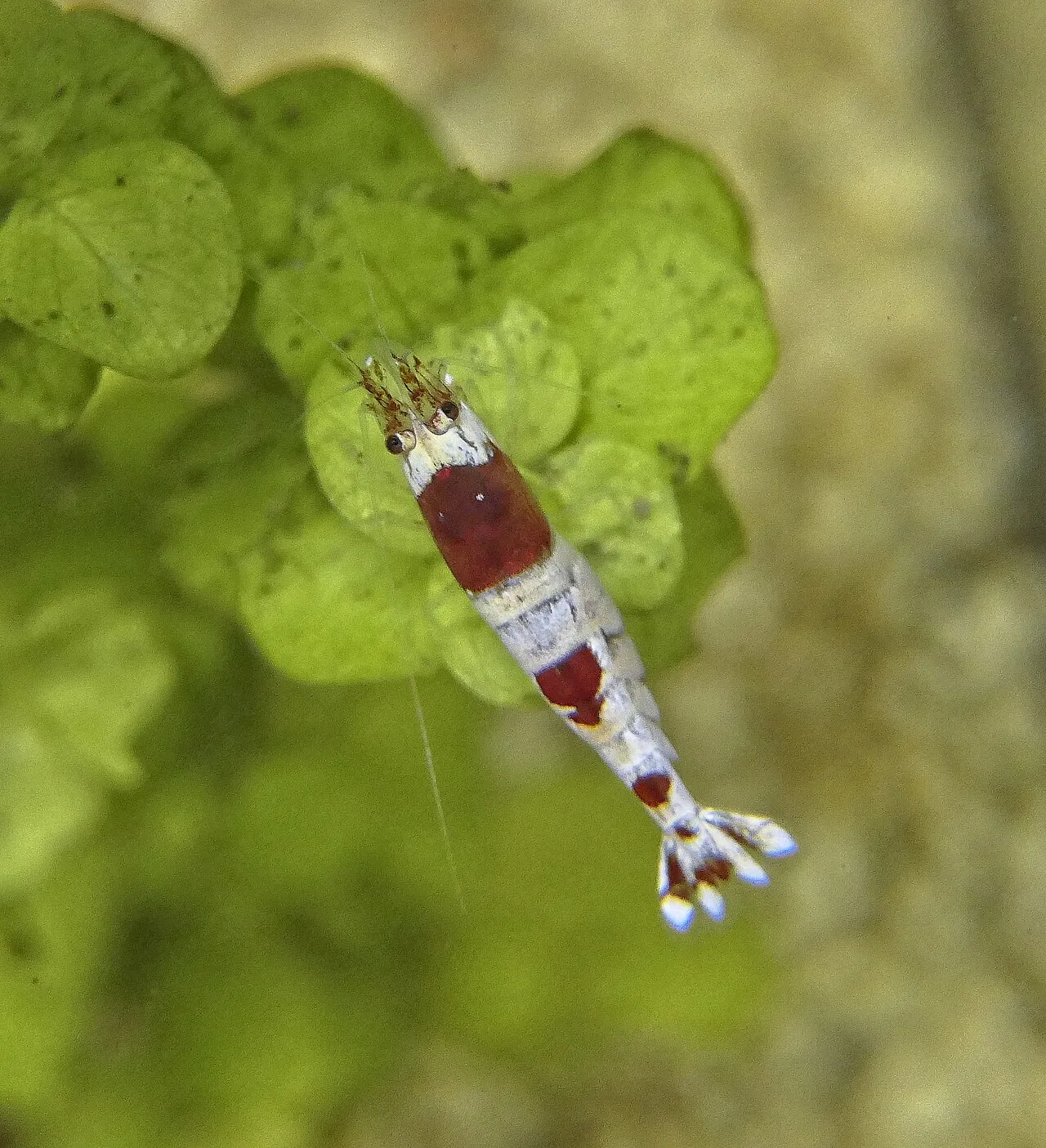
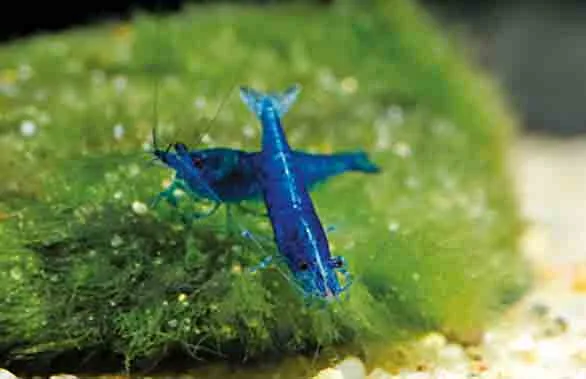
Similar water needs
Species with a similar temperature, a similar pH and a comparable adult size. Whether their behaviour fits as well is what the compatibility check is for.