
Yoyo loach
Botia almorhae
2 views
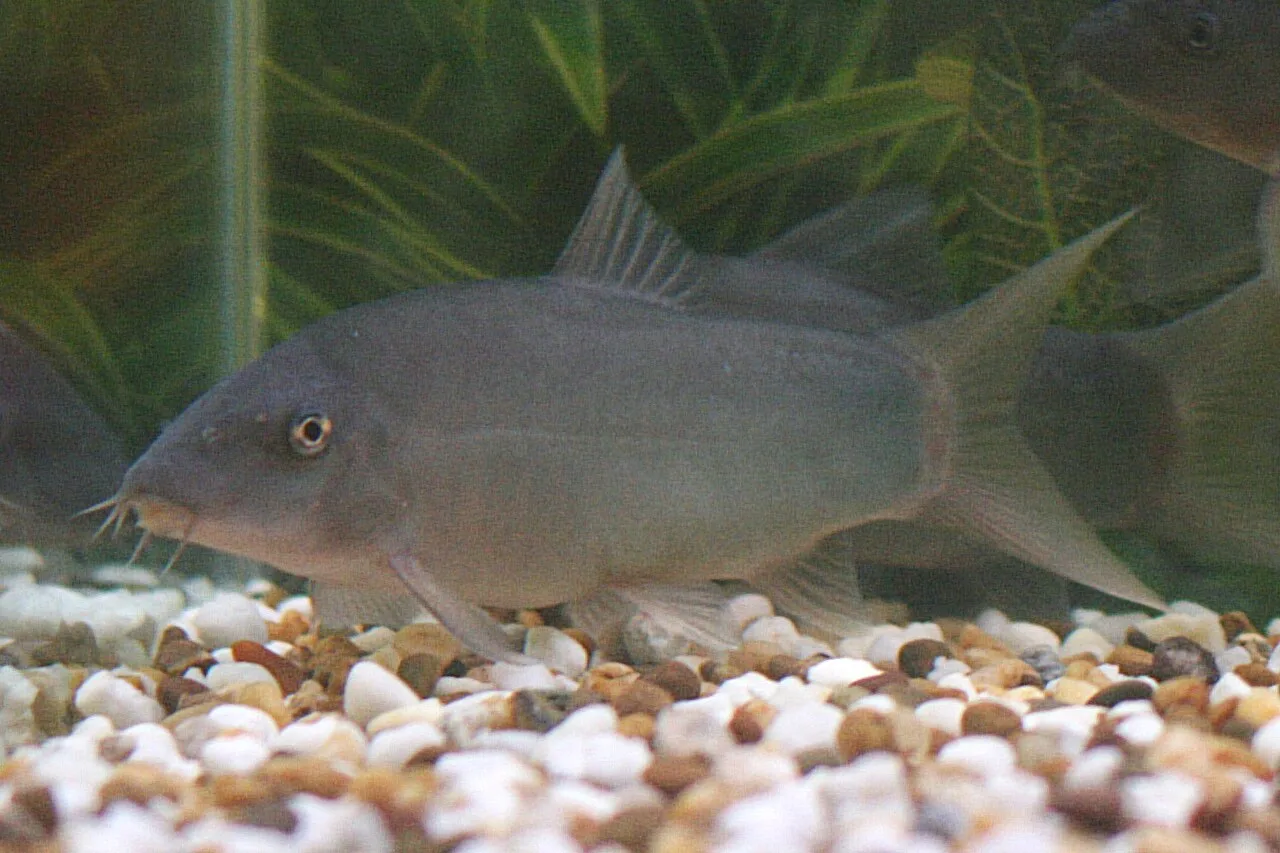
A loach with a dark net pattern from northern India and Nepal. It lives in groups and likes to eat snails.
- Temperature
- 22 – 28 °C
- pH
- 6.5 – 7.5 pH
- General hardness
- 5 – 15 °dH
- Maximum size
- 15 cm
- Minimum group size
- 5
- Minimum tank size
- 200 L
1 min read · 132 words
Quick facts
Place in the aquarium
Highlighted are the water layer and the spots where the species usually stays in the tank.
- Near the bottom Mostly stays just above the bottom. Food has to reach the substrate.
- Rocks and caves Needs caves, crevices or rockwork as hiding place, territory or spawning site.
Shrimp in the tank
Not shrimp safe
- Not shrimp safe
- Dwarf shrimp at risk
- Shrimplets at risk
- Shrimp safe
- Adult dwarf shrimp
- At risk
- Shrimplets
- Get eaten
- Safe from shrimp size
- No size is safe
Shrimp are not safe with the yoyo loach. It reaches about 15 cm, searches the bottom in groups and eats snails, larvae and small crustaceans. Dwarf shrimp are eaten, and larger shrimp go missing too.
Since the group searches every corner, there are no safe hiding places. Shrimp belong in a tank of their own.
Home & range
Hatched countries are where the species occurs. It lives in particular waters there, not across the whole country. The points name known waters for orientation, not collection sites.
- Country of origin
- Water for orientation
Native
Overview
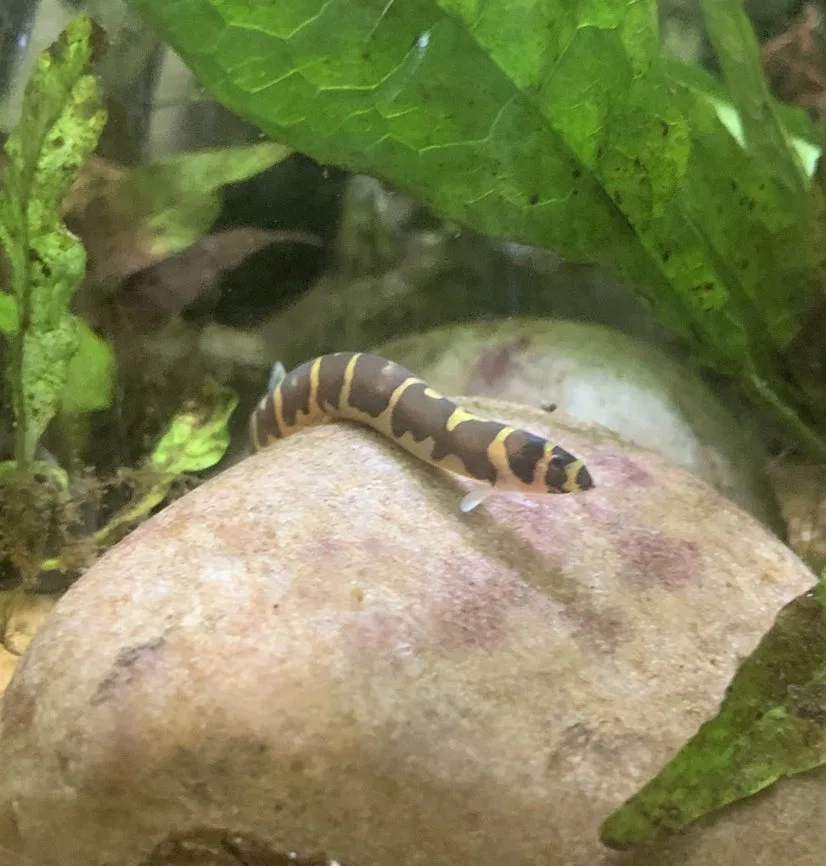
Botia almorhae reaches about 15 cm. The body is silvery with a dark net pattern that changes with age. Juveniles show a pattern that resembles letters. An erectile spine sits below the eye.
In the trade it is often sold as Botia lohachata. Lohachata carries different spotting. This profile means almorhae.
Origin & habitat
This describes the origin, not how to furnish the aquarium.
Rivers along the edge of the Himalaya in northern India and Nepal. The countries stay a coarse origin. Clear, moving water with stones matches that.
Care
Group
22 to 28 °C, pH 6.5 to 7.5. A group from five, tanks from about 200 litres and 120 cm. Caves, stones, a fine bottom.
Company
Sturdy fish of similar size. Shrimp and snails are eaten.
Diet
Omnivore with a meaty share. Snails, mosquito larvae, sinking granules, tablets.
Behavior
A lively group with a pecking order. The fish make clicking sounds when they argue.
Gallery
More species in this group
Similar water needs
Species with a similar temperature, a similar pH and a comparable adult size. Whether their behaviour fits as well is what the compatibility check is for.




