Common yabby
Cherax destructor
2 views
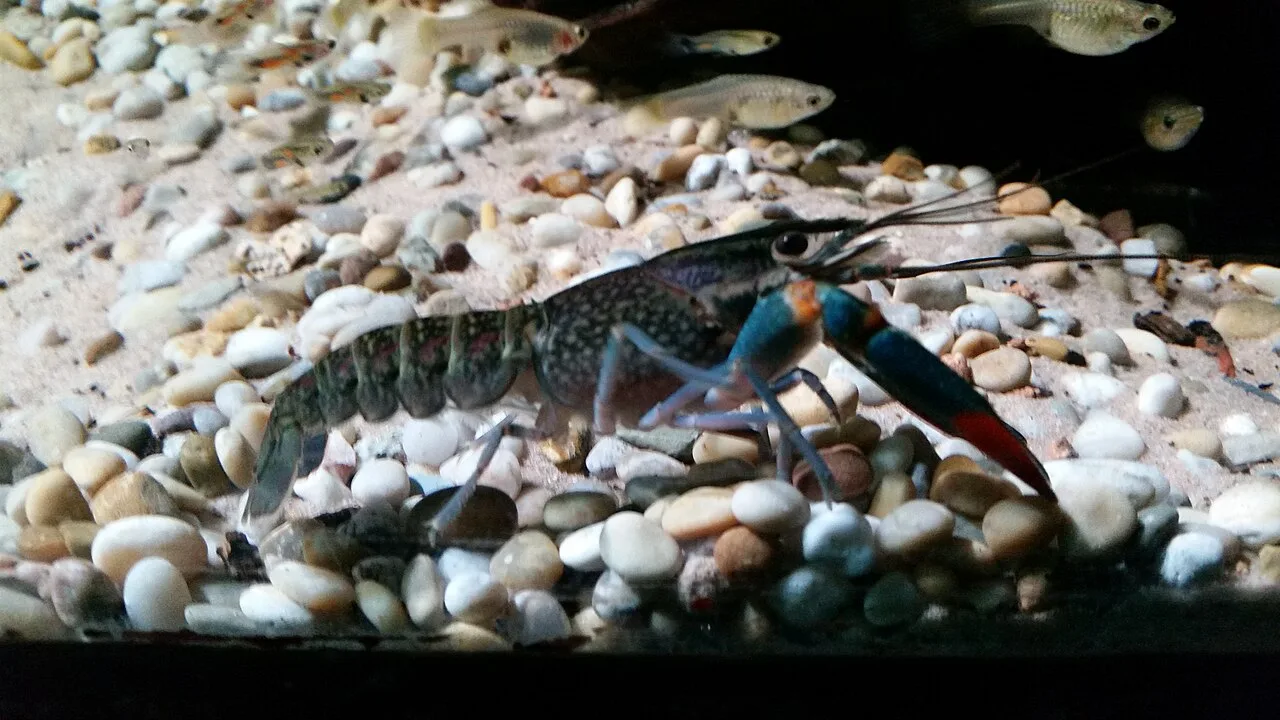
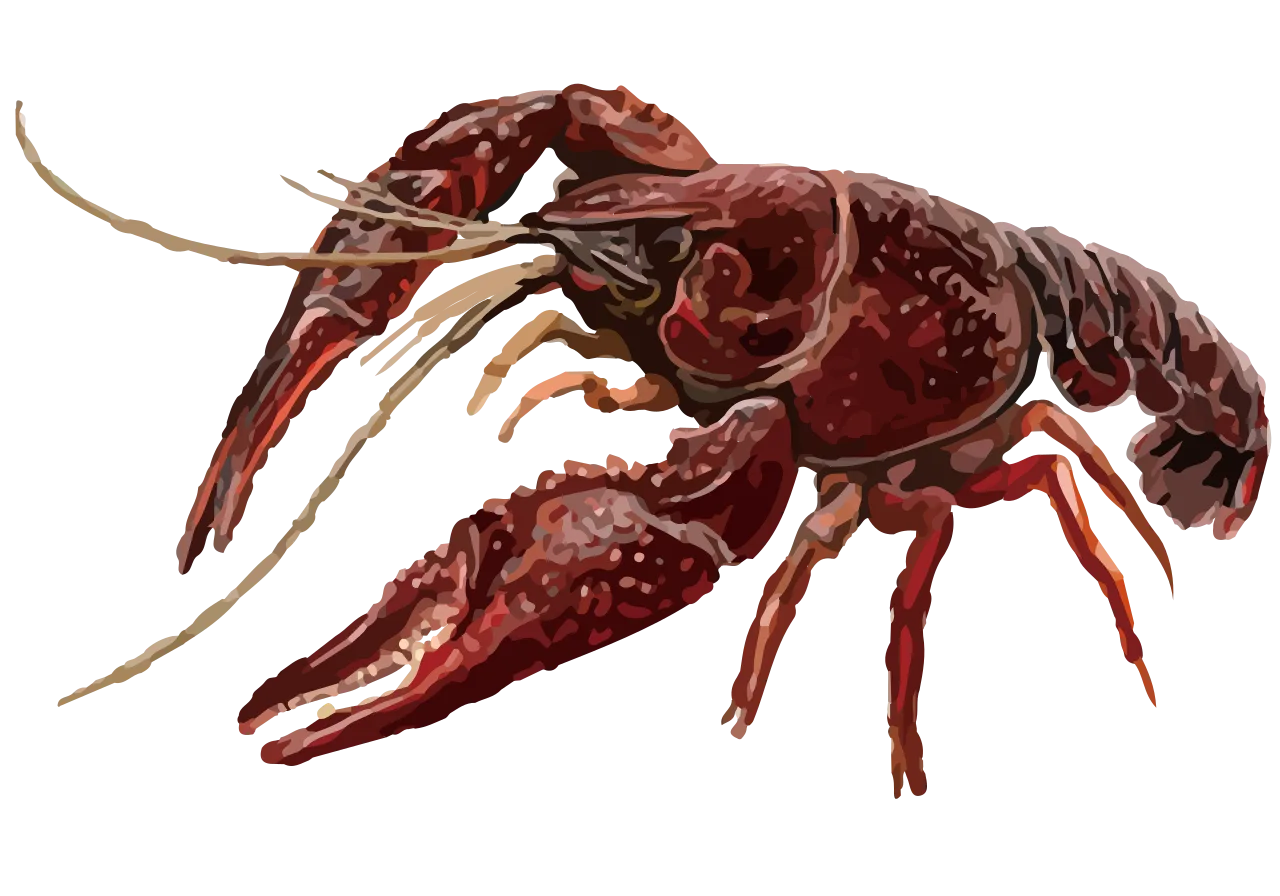
An Australian crayfish, often blue in the trade. On the EU list of invasive species since 2025; keeping and trade are banned in the EU.
- Temperature
- 20 – 25 °C
- pH
- 7 – 8.5 pH
- General hardness
- 8 – 20 °dH
- Maximum size
- 20 cm
- Social behavior
- Solitary
- Diet
- Omnivore
3 min read · 372 words
Fresh water
Quick facts
Further published values
- Minimum tank size
- 200 L
Place in the aquarium
Highlighted are the water layer and the spots where the species usually stays in the tank.
- Near the bottom Mostly stays just above the bottom. Food has to reach the substrate.
- Rocks and caves Needs caves, crevices or rockwork as hiding place, territory or spawning site.
- Substrate Sifts through the substrate or burrows into it. Fine, rounded sand without sharp edges suits it.
Home & range
Hatched countries are where the species occurs. It lives in particular waters there, not across the whole country. The points name known waters for orientation, not collection sites.
- Country of origin
- Water for orientation
Native
- South-eastern and central Australia
- Murray–Darling basin and parts of the Lake Eyre basin. Occurrences in Western Australia are introduced.
Overview
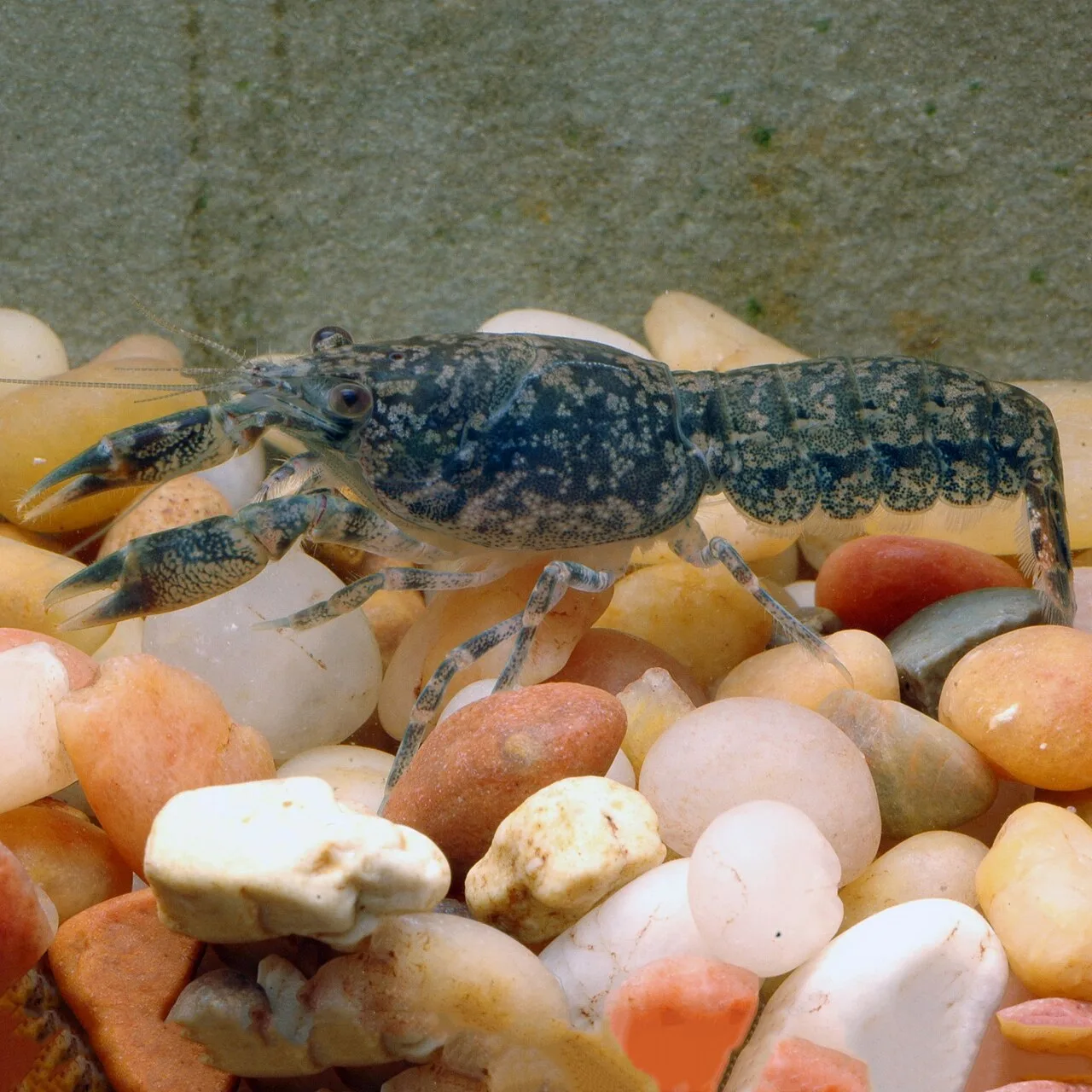
Large animals reach 20 cm and more than 200 g. The colour is usually olive green to brown; blue animals are common in the aquarium trade. Black, blue and red animals also occur in the wild. The rostrum is twice as long as it is wide, and the large claws are long and strong.
Legal situation in the EU
Since 2025 the yabby has been on the Union list of invasive alien species. Keeping, breeding, selling, exchanging and releasing it are therefore banned in the EU. Animals already kept before the listing may stay until their natural death, provided they cannot reproduce or escape.
Range and habitat
This describes the origin, not how to furnish the aquarium.
Australia: Victoria, New South Wales, southern Queensland, South Australia and parts of the Northern Territory. The range stretches about 3000 kilometres from north to south and is the largest of all Australian crayfish. It covers the Murray and Darling catchments and parts of the Lake Eyre basin. In Australia it has also been released far outside it, for example in Western Australia, where it displaces rare species. Established populations in Europe existed in Italy and Spain; the Italian ones have probably died out again.
Keeping
Not in EU tanks and ponds
Anyone keeping an animal from an old stock makes sure it cannot escape or reproduce. The crayfish walks over land in wet weather. Animals must never be released or passed on.
Conditions
20 to 25 °C are optimal. For short periods it endures 1 to 35 °C; below 16 °C it stops being active. It tolerates wide ranges of salinity and oxygen. It is susceptible to crayfish plague.
Diet
An omnivore that searches for food in muddy, slightly turbid waters.
Behaviour and moulting
Rather nocturnal, in its hiding place by day. If its water dries up, it digs down to moist soil and follows the falling water. Animals have been found more than three metres deep in the bed of a lake that had been dry for eight years.
Reproduction and larvae
Mating begins when the water rises above 15 °C in spring. The olive green eggs, about 2 mm long, hang on the swimming legs; young females carry 100 to 300, older ones more than 1000. After 19 to 40 days the young hatch and stay on the mother for a few weeks. They become mature after about one year and are about 10 cm long at two to three years.
Gallery
More species in this group
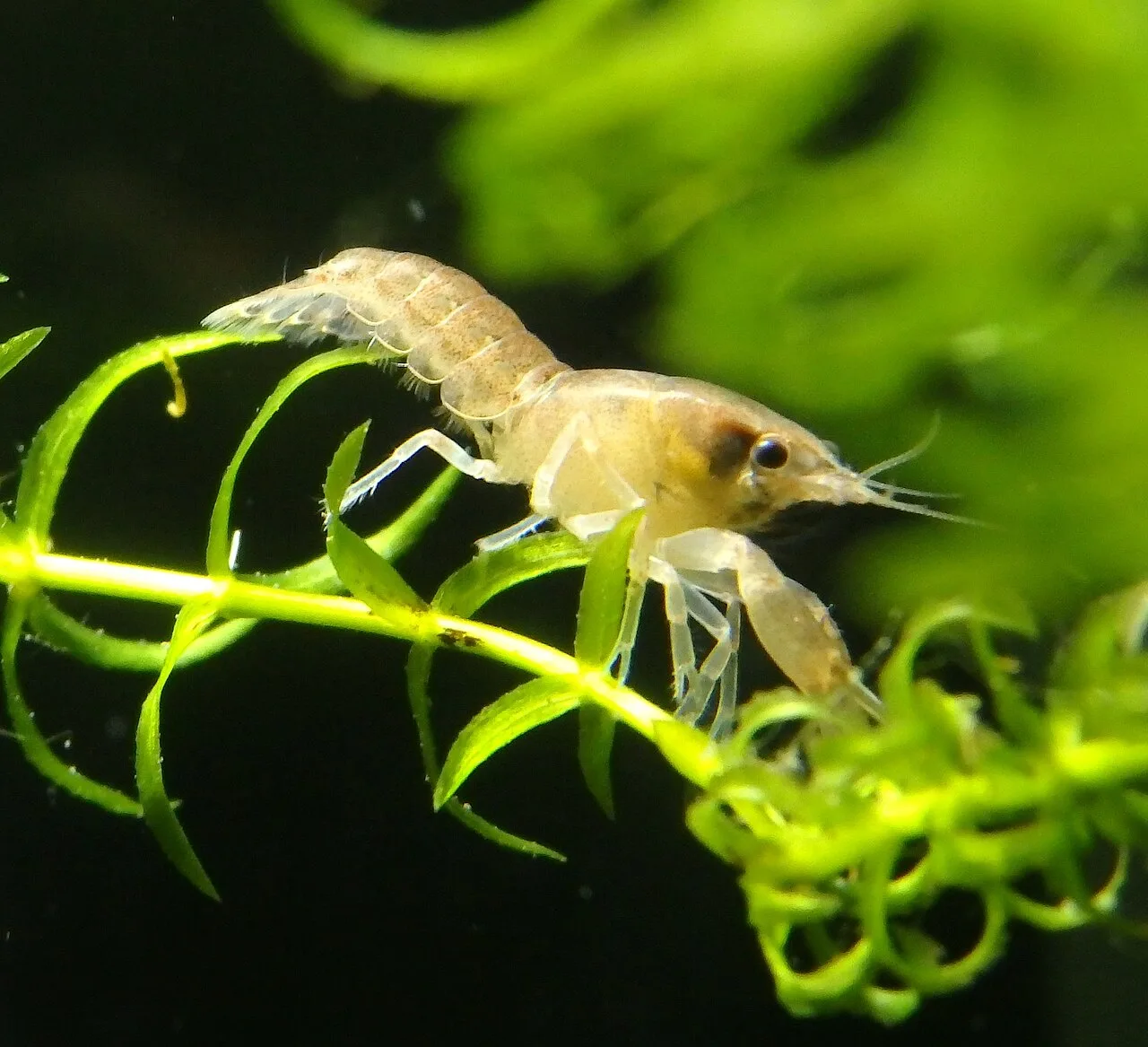
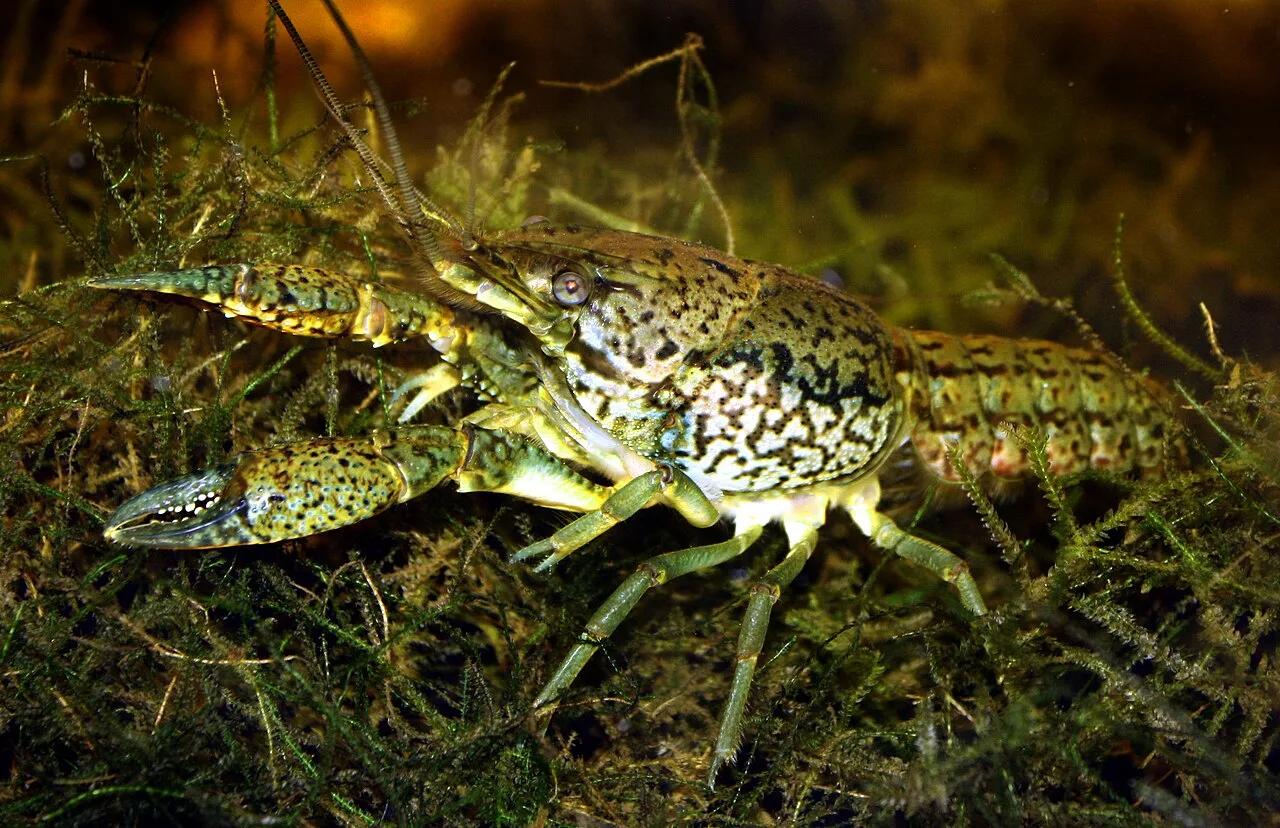
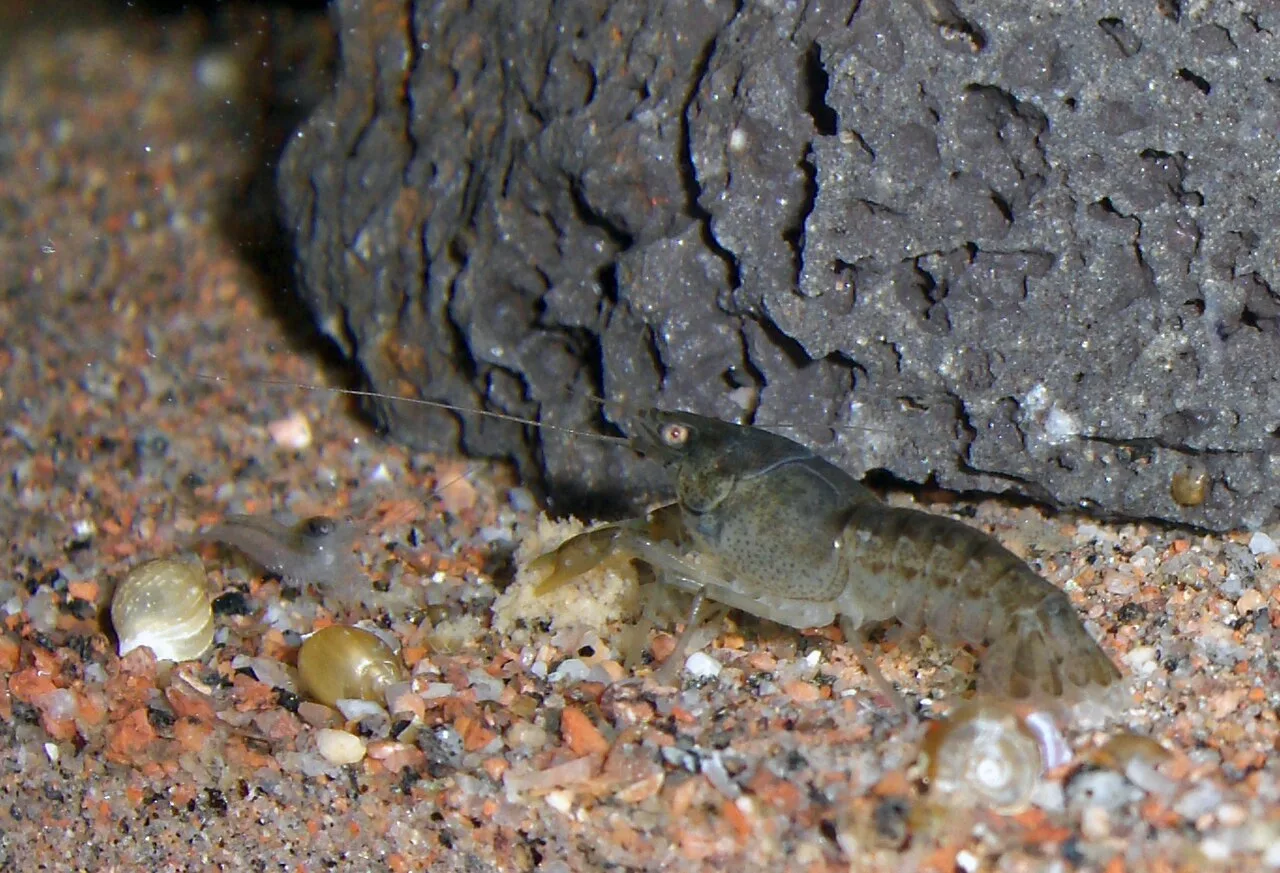
Similar water needs
Species with a similar temperature, a similar pH and a comparable adult size. Whether their behaviour fits as well is what the compatibility check is for.