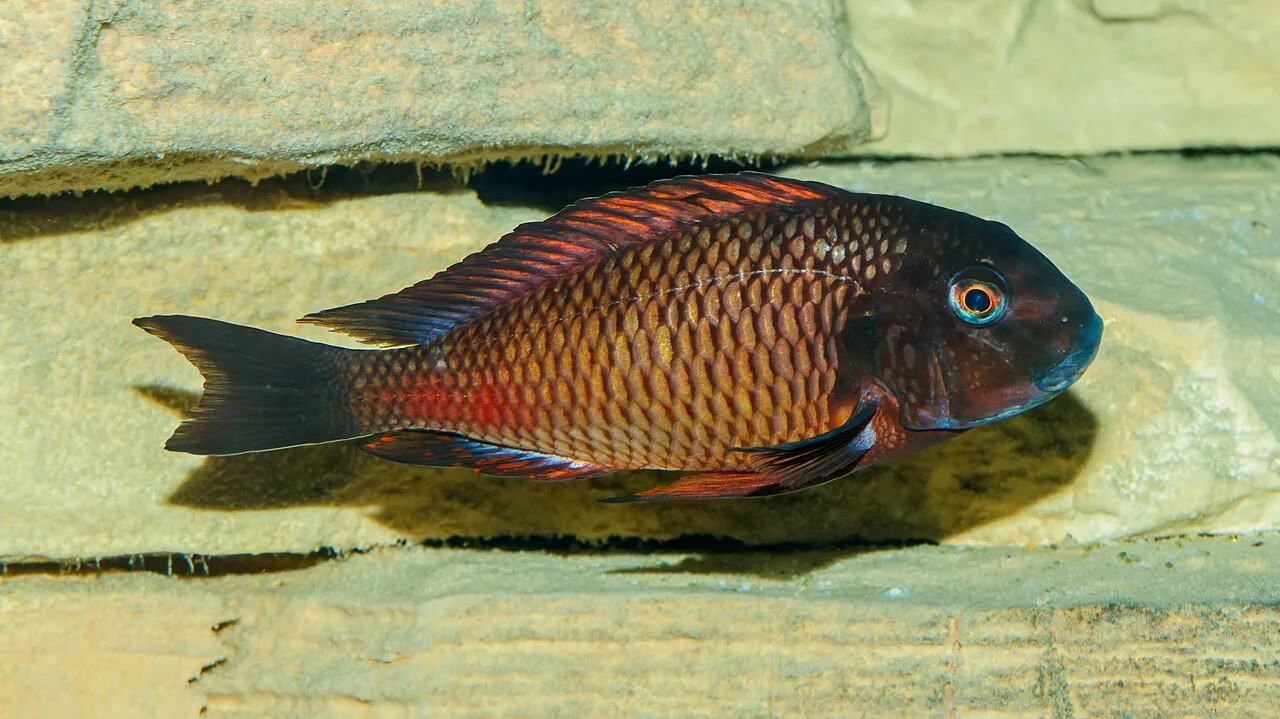
Auratus cichlid
Melanochromis auratus
21 views
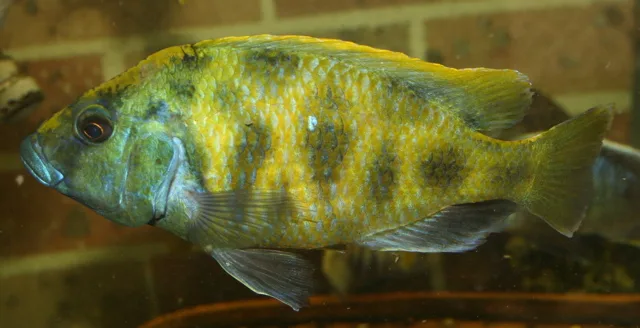
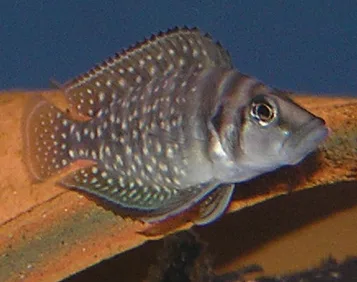
A mouthbrooding mbuna from Lake Malawi. The gold of the females and juveniles turns dark on the male. The species is one of the less tolerant Malawi fish.
- Temperature
- 24 – 28 °C
- pH
- 7.5 – 8.5 pH
- General hardness
- 6 – 10 °dH
- Maximum size
- 11 cm
- Minimum tank size
- 250 L
3 min read · 473 words
Fresh water
Quick facts
Place in the aquarium
Highlighted are the water layer and the spots where the species usually stays in the tank.
- Middle water Usually stays in the middle of the tank, between bottom and surface.
- Near the bottom Mostly stays just above the bottom. Food has to reach the substrate.
- Rocks and caves Needs caves, crevices or rockwork as hiding place, territory or spawning site.
Shrimp in the tank
Dwarf shrimp at risk
- Not shrimp safe
- Dwarf shrimp at risk
- Shrimplets at risk
- Shrimp safe
- Adult dwarf shrimp
- At risk
- Shrimplets
- Get eaten
- Safe from shrimp size
- about 4 cm
The golden mbuna is no partner for dwarf shrimp. It grows up to 11 cm, grazes algae off the rock and takes small invertebrates in the process. It is aggressive towards related species. Juvenile and adult dwarf shrimp are eaten. Larger shrimp from about 4 cm are safer.
The Malawi tank is densely stocked and busy, and shrimp hardly find a quiet spot there. Keeping them together is not recommended. Shrimp belong in a tank of their own.
Home & range
Overview
Melanochromis auratus reaches about 10 to 11 cm. Females and young are gold with black longitudinal bands. Mature males change colour: dark blue to black with pale bands. Anyone who buys several gold fish often buys several future males and then has a permanent conflict, not a stocking.
The species is an aufwuchs feeder of the rock zone and not a calm tankmate. In a tank that is too small, or as a pair without further mbuna, one fish is hunted until it stops feeding.
Features
George Albert Boulenger described the species in 1897. Males reach 11 cm, females 9 cm. Males are black with two light turquoise longitudinal stripes and carry yellow egg spots on the anal fin. Fin formula: dorsal XVIII–XIX/5–6, anal III/6–8.
Origin & habitat
This describes the origin, not how to furnish the aquarium.
The rocky coast of Lake Malawi near Jalo and the neighbouring stretches. Clear, alkaline, oxygen-rich water, aufwuchs on rock. Malawi is the coarse origin. The individual shores are not a point map here.\n\nIn the lake every fight leads into the next rock. In the aquarium it ends at the glass. The group therefore needs more hiding places than fish.
The species is endemic to the south of Lake Malawi, from Jalo Reef north of Nkhota Kota along the west coast to the Crocodile Rocks. It is entirely absent from the east coast. It lives in the rocky zone, also around islands and rock reefs.
Care
Layout
24 to 28 °C, pH 7.5 to 8.5, hard. From about 250 litres and 120 cm, rock ridges with gaps, sand in front. A large group, more females than males, or one male with several females and other mbuna that differ in colour. A pair in an 80-litre tank is the worst form.
Company
Only mbuna that can hold their own. Tetras, shrimp and dwarf cichlids are prey or get worn down. Plants are eaten. Filtration and a weekly water change belong to the stocking.
The tank needs at least 1 m length, many hiding places of stone structures and one male with several females. The species is aggressive towards related species.
Diet
Aufwuchs and plant food. Spirulina, plant flakes, blanched courgette, little animal food. Too much protein makes the fish still more irritable. Several small feeds, so one male does not hold the whole feeding.
Behavior
Always focused on the rock. The colour change of the males is the sign of maturity and of rank. Subordinate fish turn pale, stand at the top and thin out. Then catch them out. The gold of a single male that never changes colour can also be a suppressed fish, not a female.
Reproduction
Mouthbrooder. The female carries for about three weeks. In a dense group the young are often eaten. Anyone who wants young moves the carrying female calmly. Uncontrolled breeding on too little territory sharpens the fighting.
The female takes about 20 to 40 eggs into her mouth. After 22 to 26 days the young, about 10 mm long, emerge.
Gallery
More species in this group
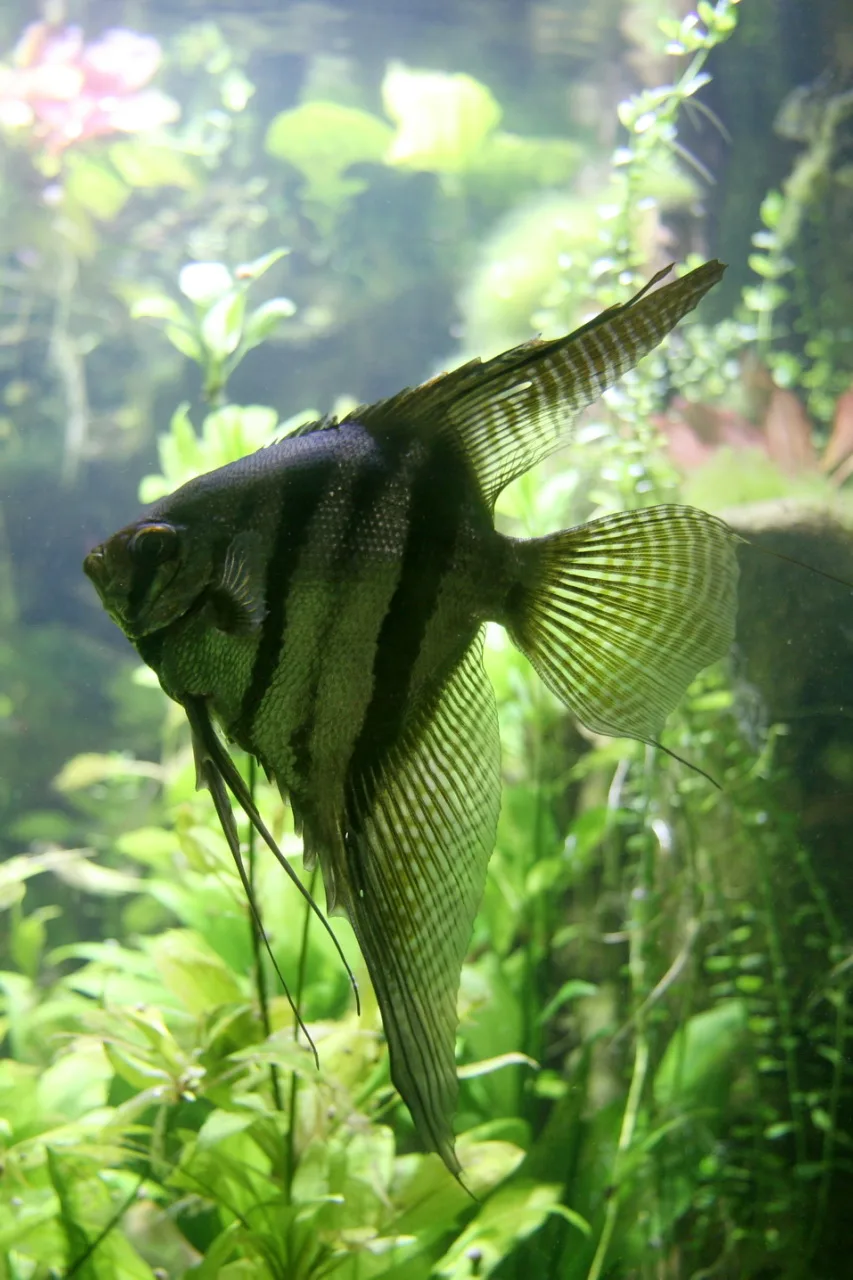
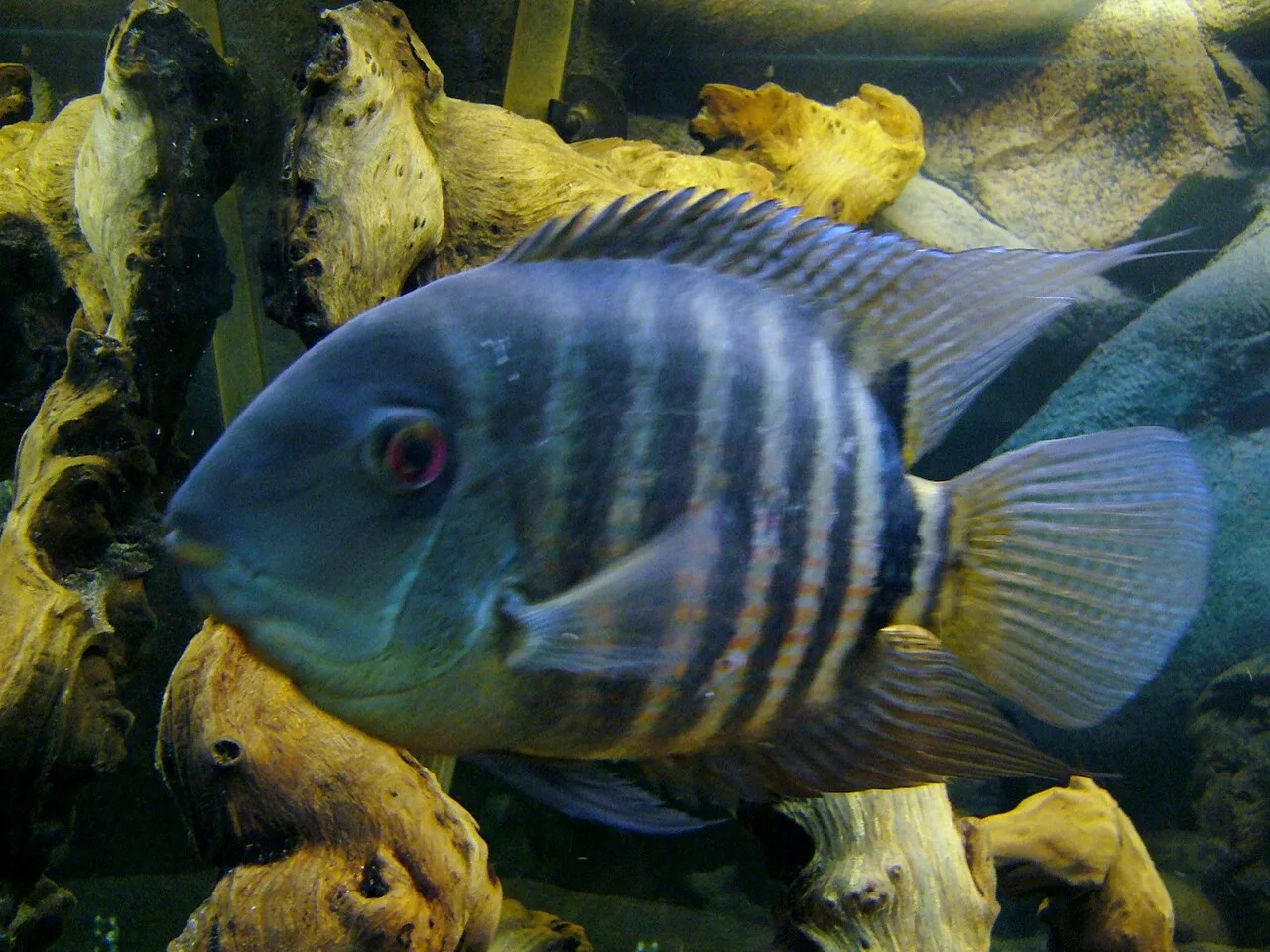

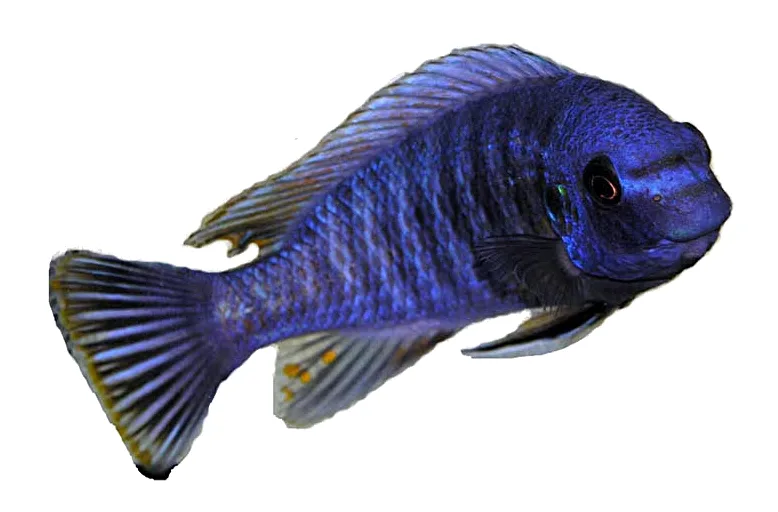

Similar water needs
Species with a similar temperature, a similar pH and a comparable adult size. Whether their behaviour fits as well is what the compatibility check is for.