Pagoda snail
Brotia pagodula
2 views
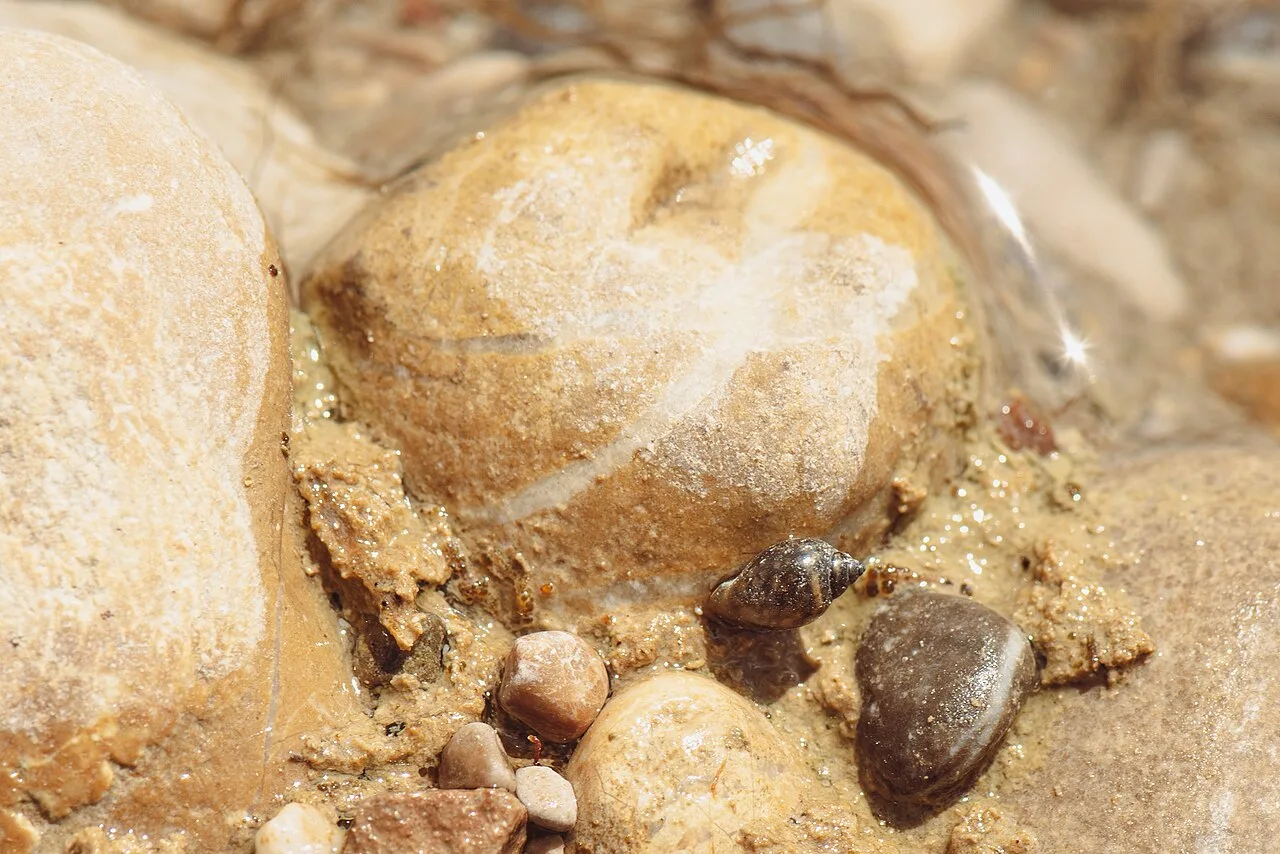
A turreted snail from Myanmar and Thailand with spiky whorls. It needs clear, moving water and plenty of biofilm.
- Temperature
- 22 – 27 °C
- pH
- 7 – 8 pH
- General hardness
- 8 – 18 °dH
- Social behavior
- Group
- Diet
- Omnivore
2 min read · 201 words
Fresh water
Quick facts
Further published values
- Minimum tank size
- 60 L
Place in the aquarium
Highlighted are the water layer and the spots where the species usually stays in the tank.
- Near the bottom Mostly stays just above the bottom. Food has to reach the substrate.
- Rocks and caves Needs caves, crevices or rockwork as hiding place, territory or spawning site.
Home & range
Hatched countries are where the species occurs. It lives in particular waters there, not across the whole country. The points name known waters for orientation, not collection sites.
- Country of origin
- Water for orientation
Native
Overview
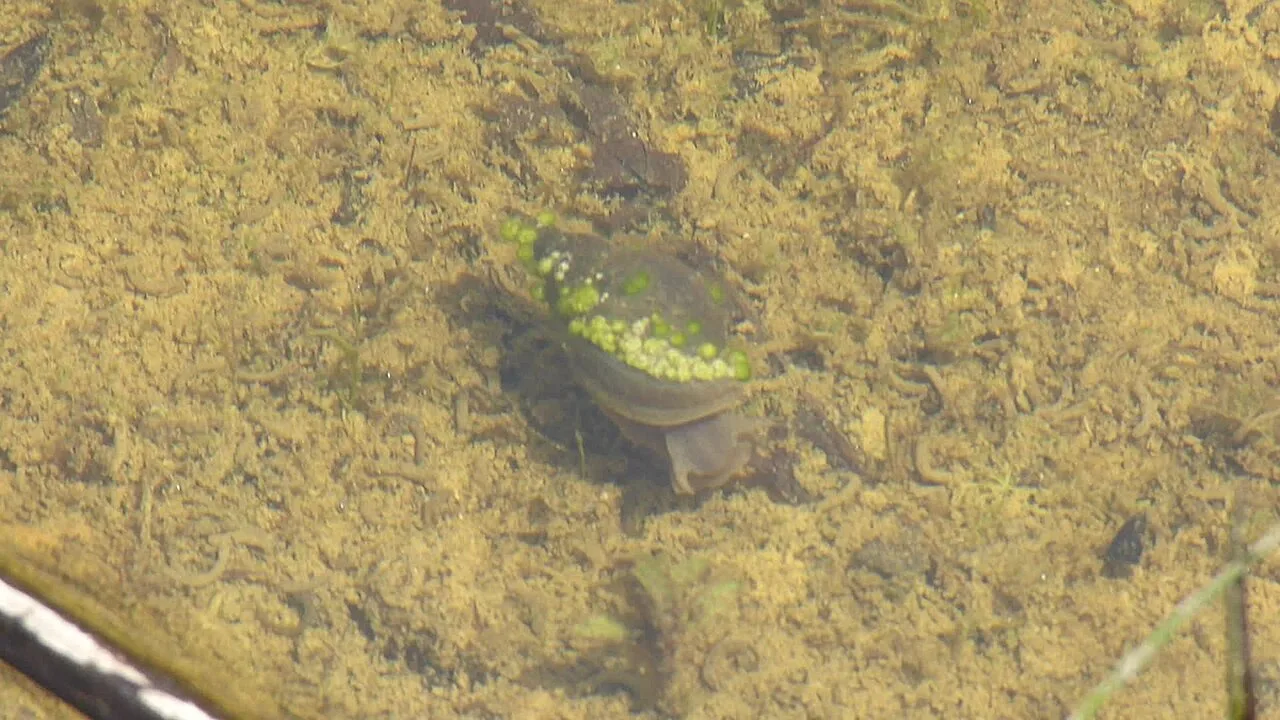
Brotia pagodula carries a tall shell whose whorls are set with rows of pointed projections. In the trade it is also called porcupine snail or horned armour snail. It is the type species of the genus Brotia. DNA comparisons suggest that two species living in the same area may be hidden under this name.
Range and habitat
This describes the origin, not how to furnish the aquarium.
Myanmar and Thailand. These countries remain the coarse origin.
Keeping
Tank
From about 60 litres, with current, stones and wood. Fine sand in which it searches for food.
Water
22 to 27 °C, pH 7 to 8, GH 8 to 18 °dH, very clean, oxygen-rich water. Many animals are weakened after import. Careful acclimation and a long-established tank improve the chances.
Companions
With shrimp and calm fish. Not with snail eaters such as pufferfish and loaches.
Diet
Biofilm, aufwuchs and detritus. In addition algae tablets, blanched vegetables and food tablets on the bottom. It starves quickly if food only reaches the middle water.
Behaviour and moulting
Slow, calm and visible by day when the water suits it. If it retreats into its shell for long, the water is often wrong.
Reproduction and larvae
Separate sexes. Like other species of the family, the females keep the brood in the body and release fully formed young snails. Reproduction succeeds rarely and slowly.
Gallery
More species in this group
Similar water needs
Species with a similar temperature, a similar pH and a comparable adult size. Whether their behaviour fits as well is what the compatibility check is for.