Orange chromide
Pseudetroplus maculatus
2 views
A small cichlid from India and Sri Lanka that tolerates fresh and brackish water. The parents care for their young intensively.
- Temperature
- 23 – 27 °C
- pH
- 7 – 8.5 pH
- General hardness
- 10 – 25 °dH
- Maximum size
- 8 cm
- Minimum tank size
- 100 L
2 min read · 181 words
Quick facts
Place in the aquarium
Highlighted are the water layer and the spots where the species usually stays in the tank.
- Middle water Usually stays in the middle of the tank, between bottom and surface.
- Near the bottom Mostly stays just above the bottom. Food has to reach the substrate.
- Rocks and caves Needs caves, crevices or rockwork as hiding place, territory or spawning site.
Shrimp in the tank
Dwarf shrimp at risk
- Not shrimp safe
- Dwarf shrimp at risk
- Shrimplets at risk
- Shrimp safe
- Adult dwarf shrimp
- At risk
- Shrimplets
- Get eaten
- Safe from shrimp size
- about 3 cm
For dwarf shrimp the orange chromide is a risk. It reaches about 8 cm and eats small invertebrates, larvae and plant food. Juvenile shrimp and small Neocaridina are eaten. Larger shrimp from about 3 cm are usually safe.
When breeding, the pair defends its spawning site and chases everything nearby. A separate tank is the better choice for a shrimp colony.
Home & range
Hatched countries are where the species occurs. It lives in particular waters there, not across the whole country. The points name known waters for orientation, not collection sites.
- Country of origin
- Water for orientation
Native
Overview
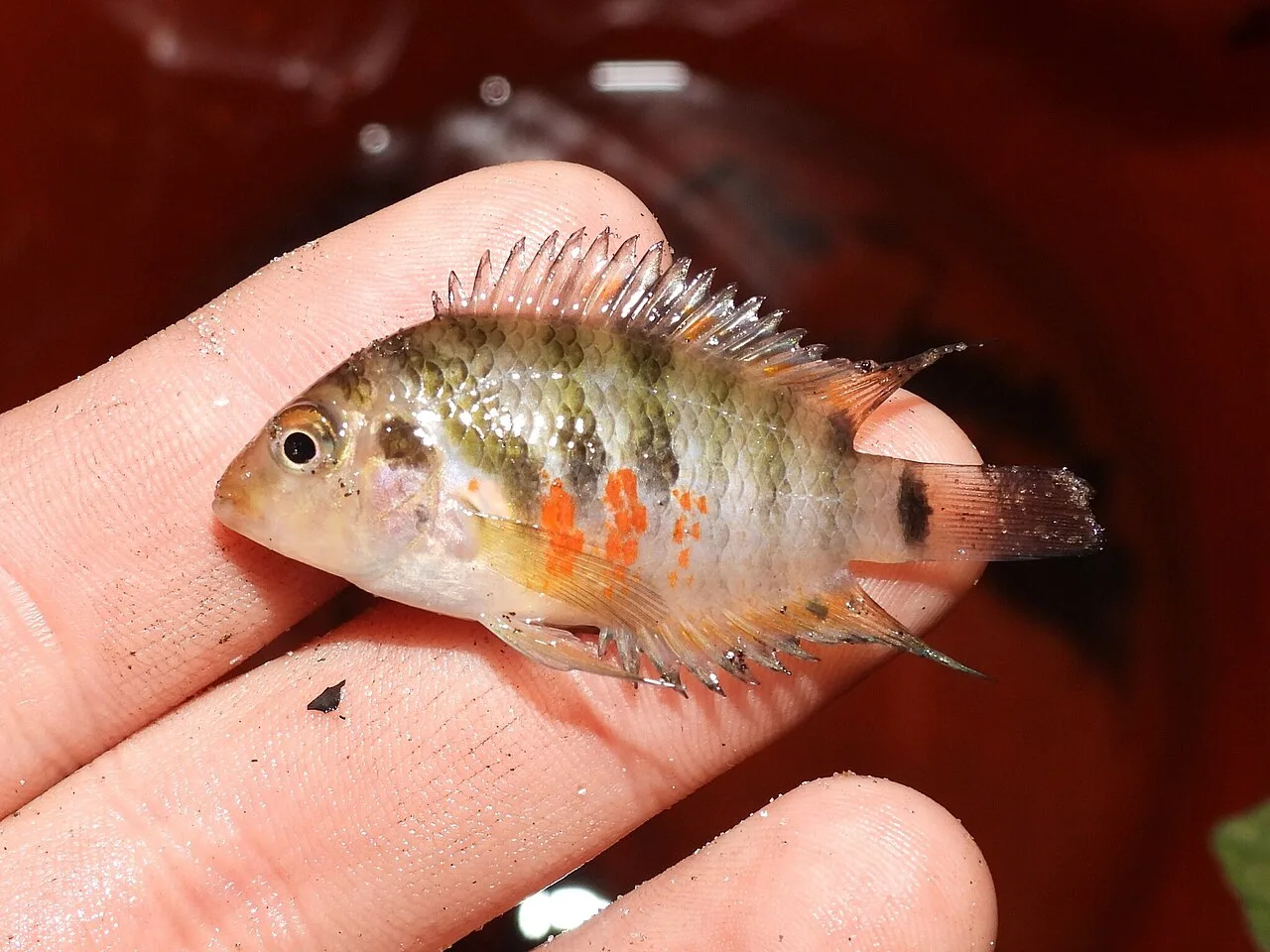
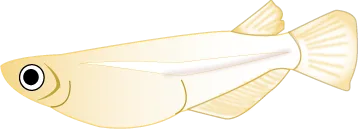
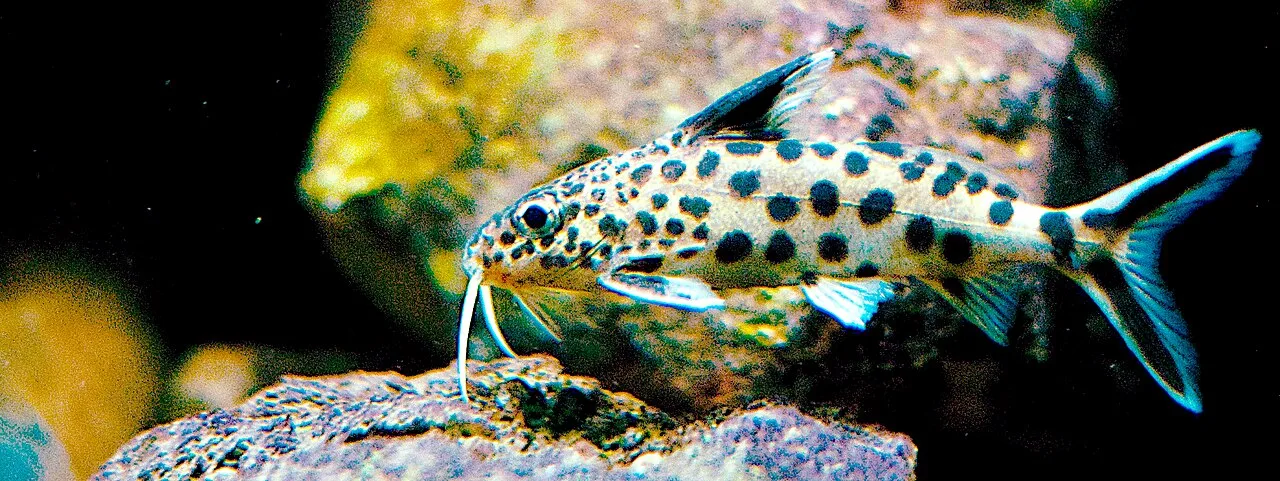
Pseudetroplus maculatus reaches about 8 cm. The body is yellow to orange with rows of red dots and a dark spot on the side. The pelvic and anal fins turn dark when breeding. For a long time the species was called Etroplus maculatus. It is the same species.
It is not one of the American or African cichlids. It comes from South Asia and often lives in lagoons with slightly salty water.
Origin & habitat
This describes the origin, not how to furnish the aquarium.
Lagoons, estuaries and fresh waters in India and Sri Lanka. The countries stay a coarse origin. Hard, even slightly brackish water matches that.
Care
Pair
23 to 27 °C, pH 7 to 8.5, hard. A pair from about 100 litres. Stones, wood, sturdy plants. A little added salt is possible but not required.
Company
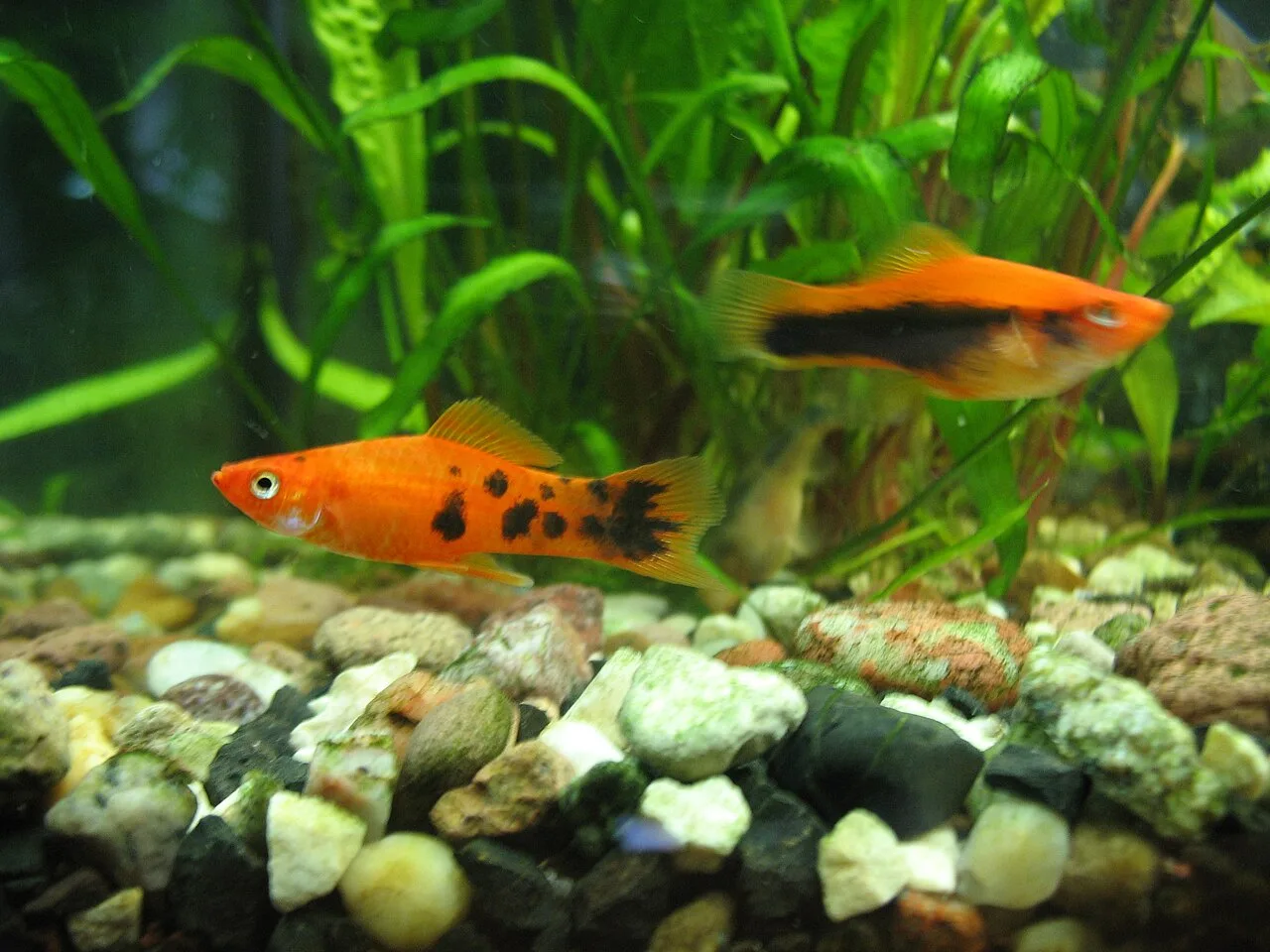
Other fish for hard or slightly brackish water, such as mollies or glassfish. Soft-water tetras, no.
Diet
Omnivore. Granules, flakes, mosquito larvae, brine shrimp, plant food.
Behavior
Calm outside breeding. At spawning time the pair clearly defends its spawning site.
Reproduction
Open spawner on stones or wood. The parents guard eggs and larvae. At first the young feed on skin mucus from the parents.
More species in this group

Similar water needs
Species with a similar temperature, a similar pH and a comparable adult size. Whether their behaviour fits as well is what the compatibility check is for.