South American bumblebee catfish
Microglanis iheringi
2 views
A small catfish banded in yellow and brown that hides by day. It feeds at night and is a predator of small fish.
- Temperature
- 21 – 25 °C
- pH
- 6 – 7.5 pH
- General hardness
- 5 – 15 °dH
- Maximum size
- 7 cm
- Minimum tank size
- 80 L
2 min read · 171 words
Quick facts
Place in the aquarium
Highlighted are the water layer and the spots where the species usually stays in the tank.
- Near the bottom Mostly stays just above the bottom. Food has to reach the substrate.
- Rocks and caves Needs caves, crevices or rockwork as hiding place, territory or spawning site.
Shrimp in the tank
Dwarf shrimp at risk
- Not shrimp safe
- Dwarf shrimp at risk
- Shrimplets at risk
- Shrimp safe
- Adult dwarf shrimp
- At risk
- Shrimplets
- Get eaten
- Safe from shrimp size
- about 3 cm
For dwarf shrimp the bumblebee catfish is a risk. It reaches about 7 cm, has a large mouth and hunts small animals on the bottom at night. Neocaridina and Caridina are eaten, and juveniles for certain. Larger shrimp from about 3 cm, such as Amano shrimp, usually get through.
Since the catfish is active exactly when shrimp feed openly on the bottom, hiding places help little. Dwarf shrimp belong in a tank of their own.
Home & range
Hatched countries are where the species occurs. It lives in particular waters there, not across the whole country. The points name known waters for orientation, not collection sites.
- Country of origin
- Water for orientation
Native
Overview
Microglanis iheringi reaches about 7 cm. Broad dark-brown bands alternate with yellow to beige zones. The head is broad and the mouth large. The fish lie in a cave or under wood by day and come out after dark.
It is not the Asian bumblebee catfish Pseudomystus siamensis, which comes from Southeast Asia and grows larger. Both are sold as bumblebee catfish.
Origin & habitat
This describes the origin, not how to furnish the aquarium.
Streams and small rivers in Venezuela and Colombia. The countries stay a coarse origin. Hiding places, leaf litter and gentle current match that.
Care
Hiding places
21 to 25 °C, pH 6 to 7.5. One fish or a small group from about 80 litres. Caves, wood, leaf litter, subdued light.
Company
Fish that do not fit in its mouth. Neons, small rasboras and shrimp are eaten at night.
Diet
Meaty food. Mosquito larvae, brine shrimp, mysis, sinking granules. Best fed after the lights go out.
Behavior
Calm and hidden. There is some jostling over caves among them, which stays harmless with enough hiding places.
Reproduction
Very rarely bred in the aquarium. Keeping counts on fish that were bought.
More species in this group
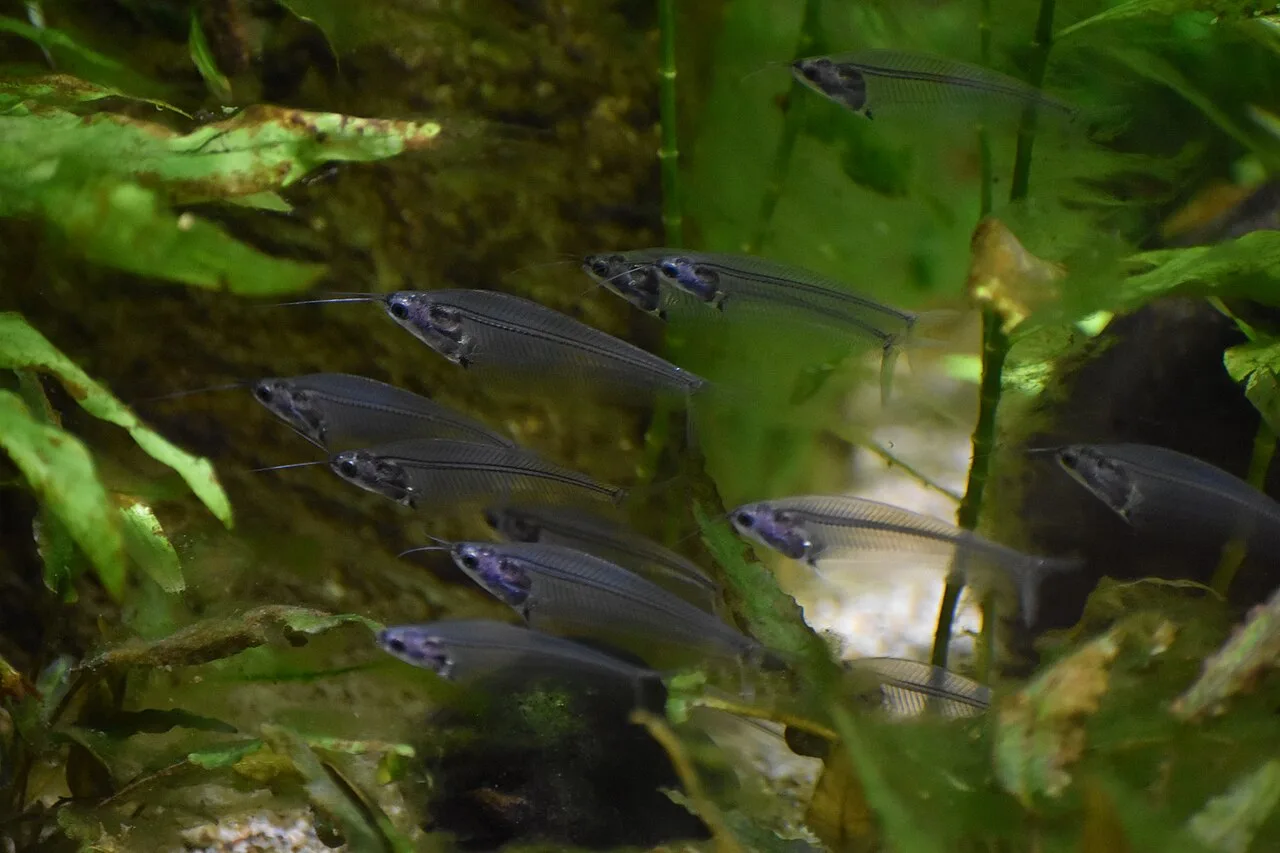
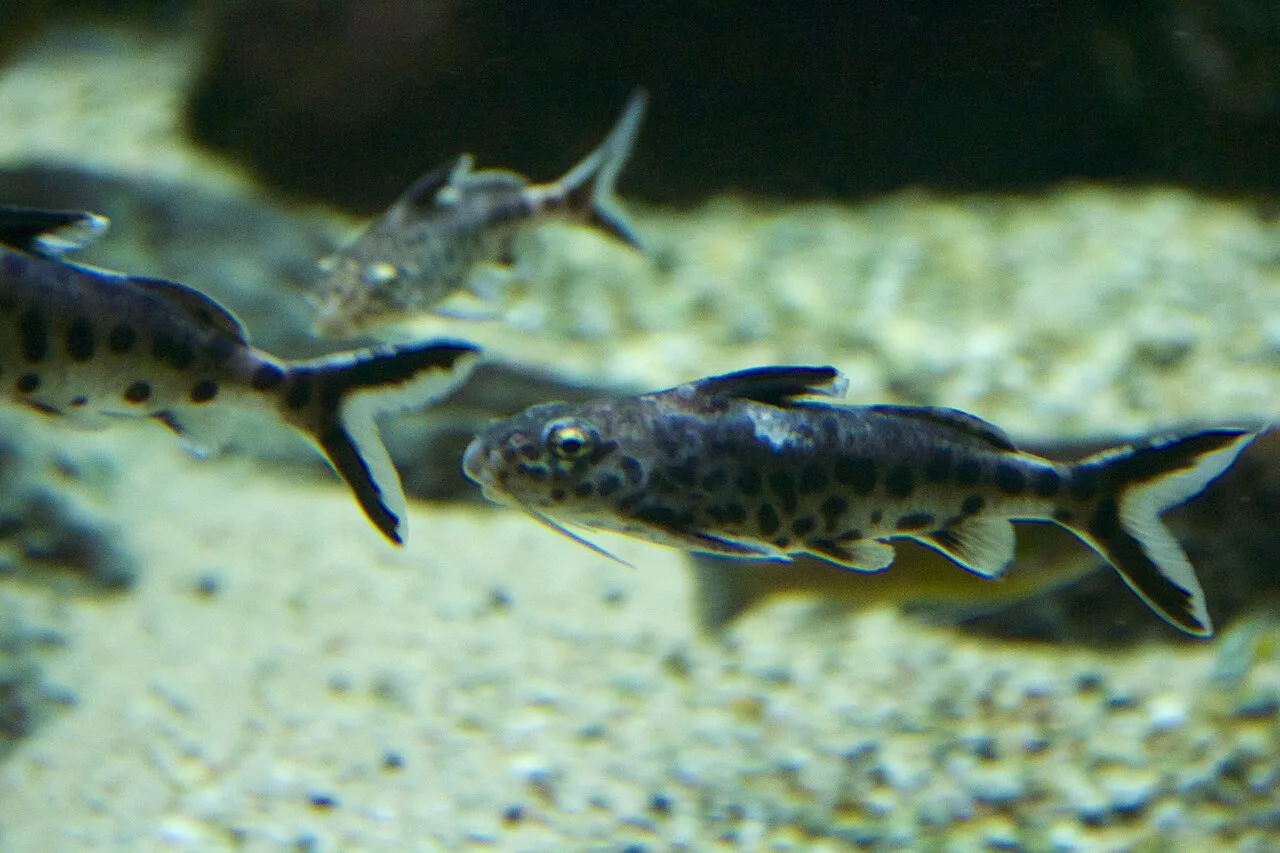
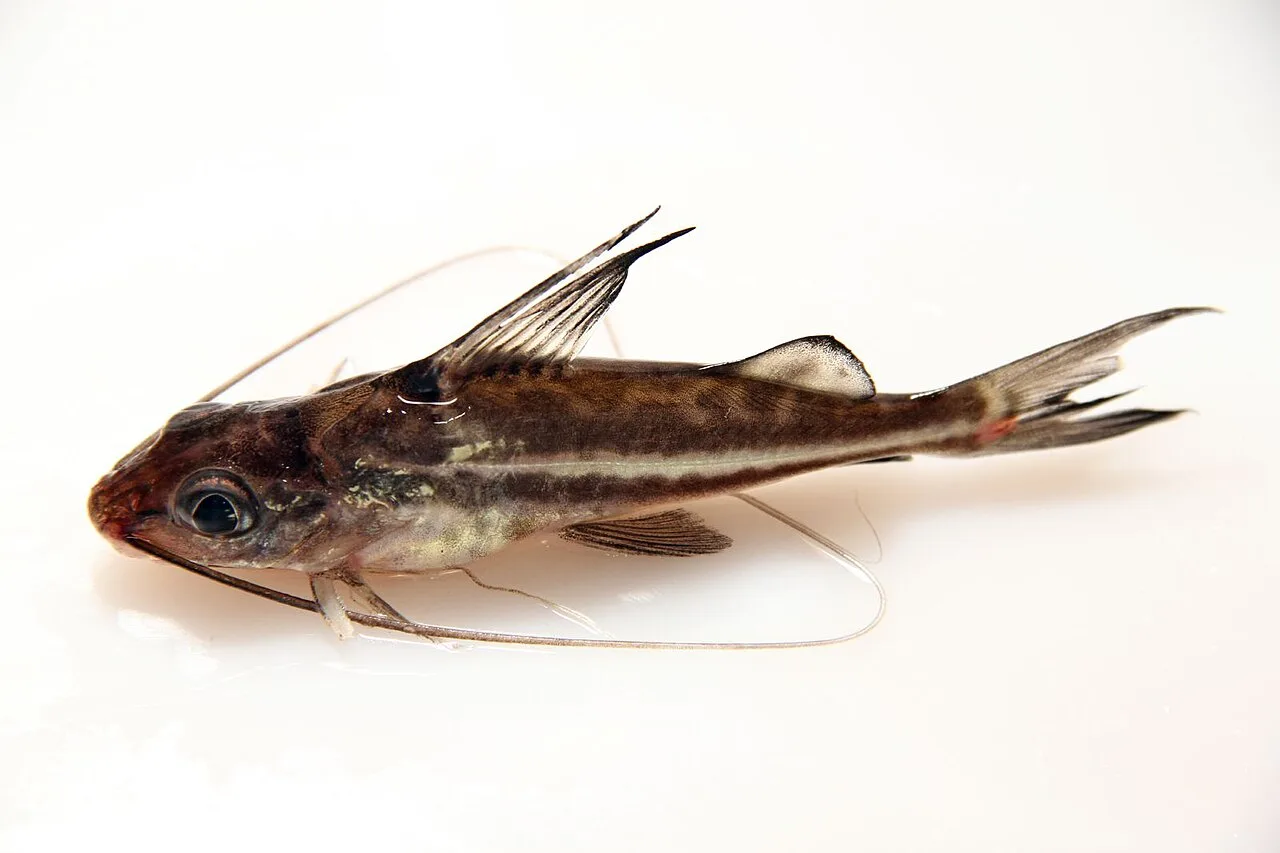

Similar water needs
Species with a similar temperature, a similar pH and a comparable adult size. Whether their behaviour fits as well is what the compatibility check is for.