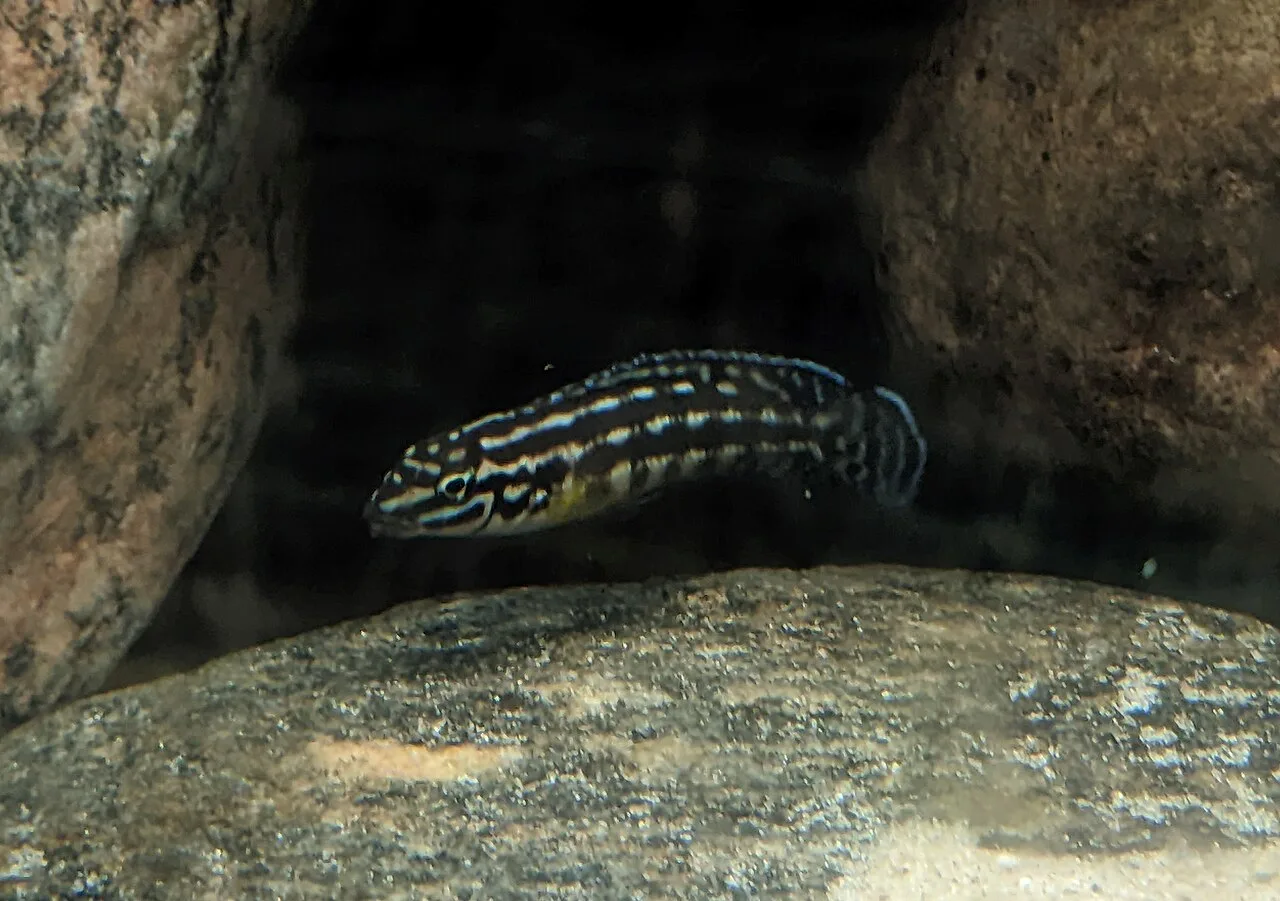
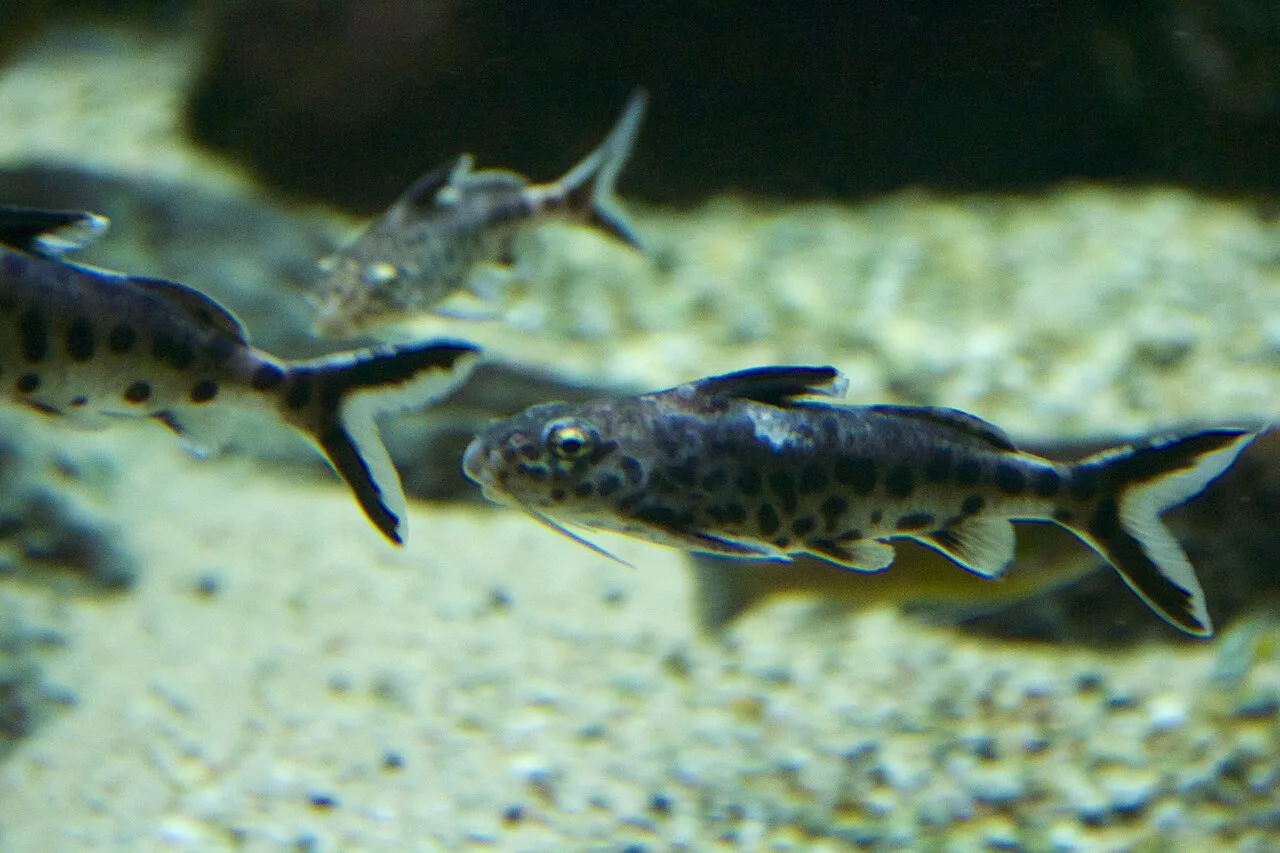
Sardine cichlid
Cyprichromis leptosoma
26 views
A slender mouthbrooder from the open water of Lake Tanganyika. It swims as a group and needs length, not a rock territory on the bottom.
- Temperature
- 24 – 27 °C
- pH
- 8 – 9 pH
- General hardness
- 10 – 20 °dH
- Maximum size
- 10 cm
- Minimum group size
- 8
- Minimum tank size
- 250 L
5 min read · 700 words
Fresh water
Quick facts
Further published values
- Lifespan
- 8 a
Place in the aquarium
Highlighted are the water layer and the spots where the species usually stays in the tank.
- Upper water Usually stays in the top third of the tank.
- Middle water Usually stays in the middle of the tank, between bottom and surface.
- Open swimming space Needs an open area without plants or decor to swim at length. Tank length matters more than height.
Shrimp in the tank
Shrimplets at risk
- Not shrimp safe
- Dwarf shrimp at risk
- Shrimplets at risk
- Shrimp safe
- Adult dwarf shrimp
- Safe
- Shrimplets
- Get eaten
- Safe from shrimp size
- about 2 cm
Adult shrimp are usually safe from Cyprichromis leptosoma. These slender cichlids grow to 8 to 11 cm but mainly eat zooplankton, which they suck in from open water with their protrusible mouth. Shrimp from about 2 cm do not fit this prey range. Young shrimp that drift into open water, however, are eaten. The schools stay in open water and pay little attention to the bottom. Because the hard, alkaline Tanganyika water does not suit many shrimp, only hardy species are an option.
Home & range
Hatched countries are where the species occurs. It lives in particular waters there, not across the whole country. The points name known waters for orientation, not collection sites.
- Country of origin
- Water for orientation
Native
Overview
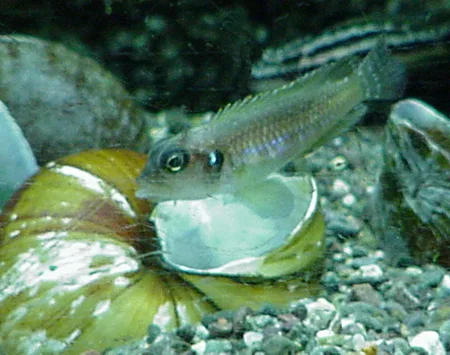
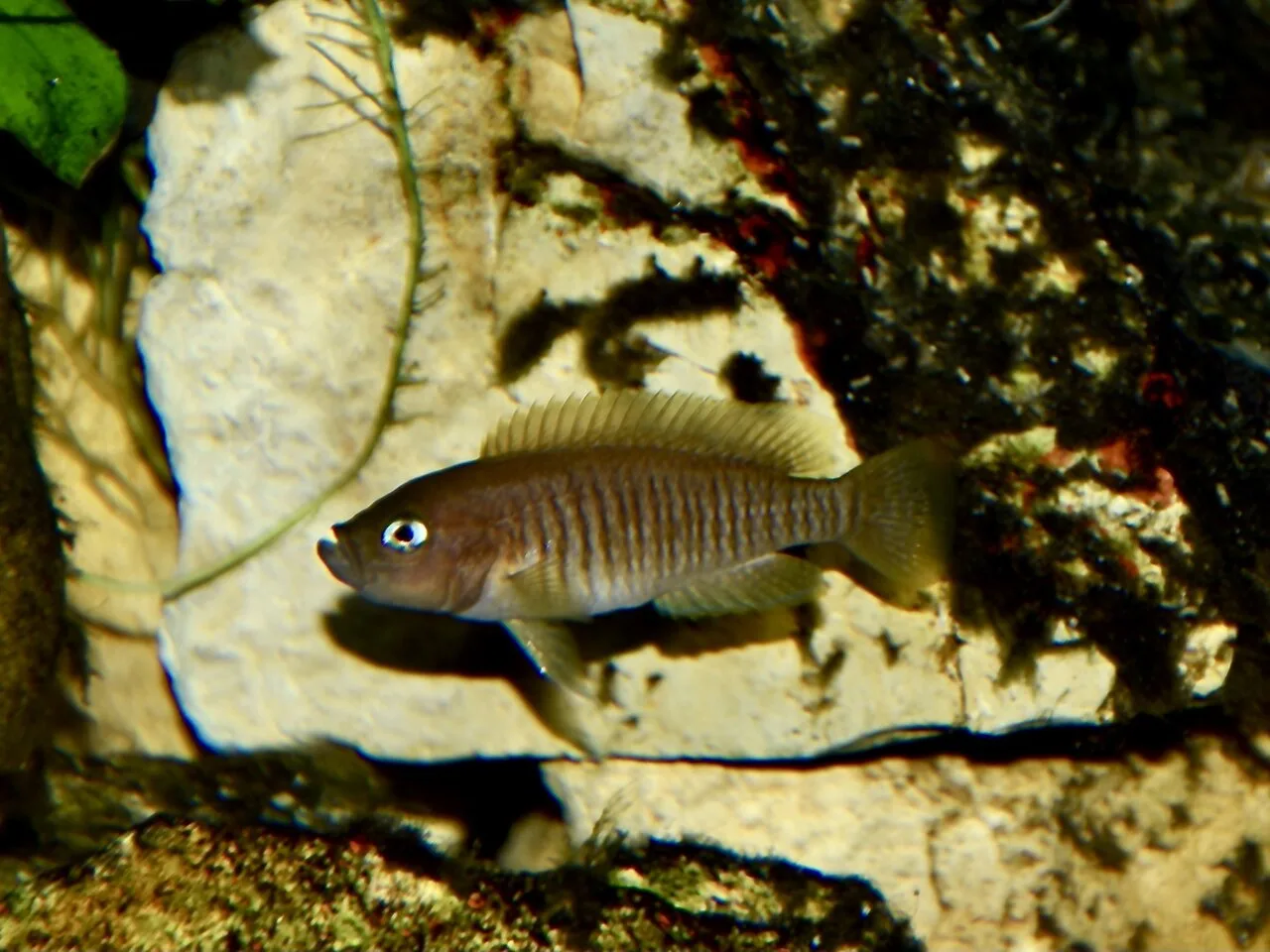
Cyprichromis leptosoma reaches about 8 to 10 cm. The body is spindle-shaped. Males wear yellow, blue or a dark dorsal pattern depending on the population. Females stay silvery. The forms should not be mixed if a line is to be kept. The fish stand at an angle in open water and in that resemble herrings, not rock mbuna.
They feed in open water on what drifts past. A pure bottom tank without a swimming run does not show them. Neither does a Malawi tank with a different water chemistry.
Features and names
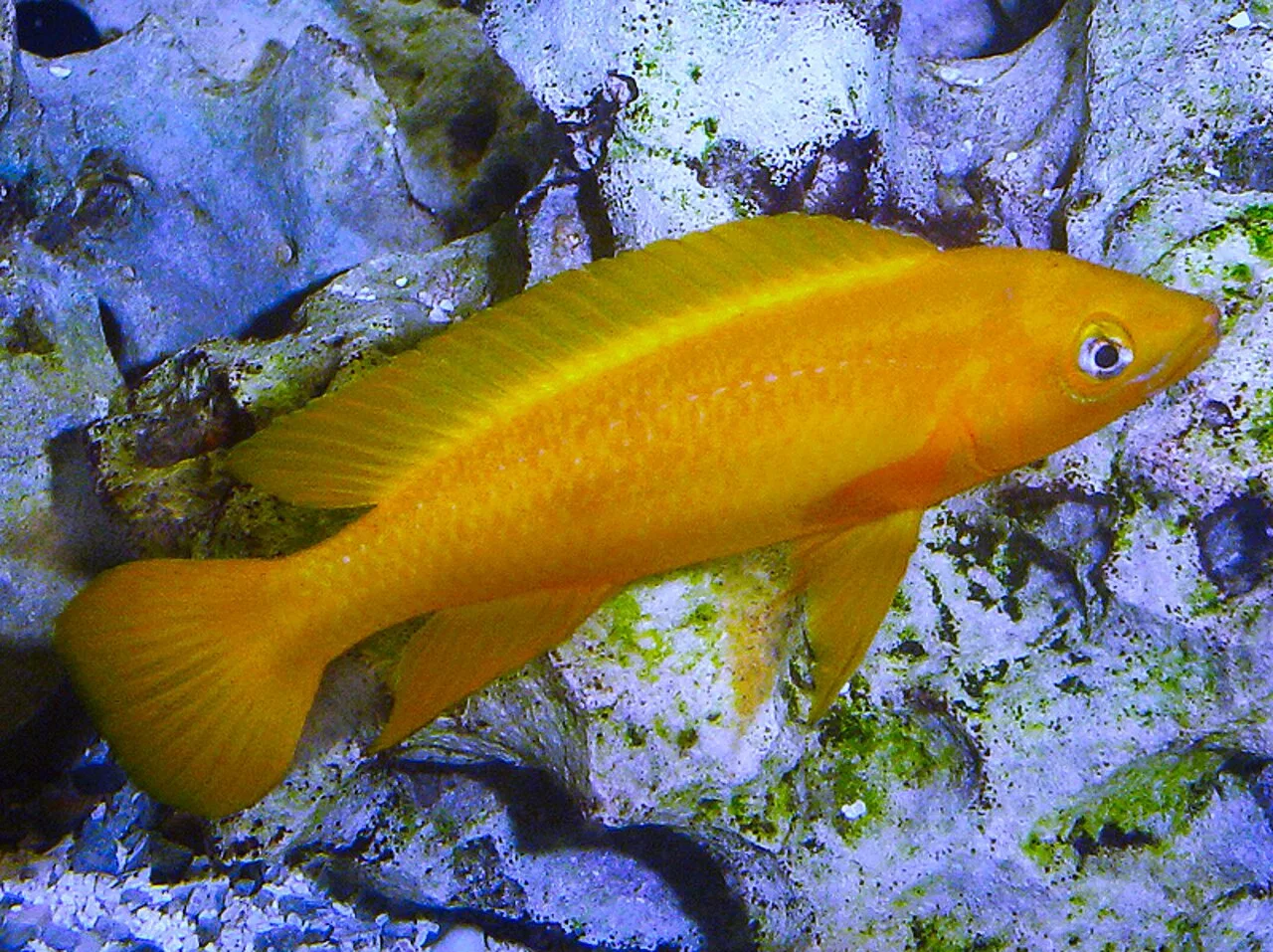
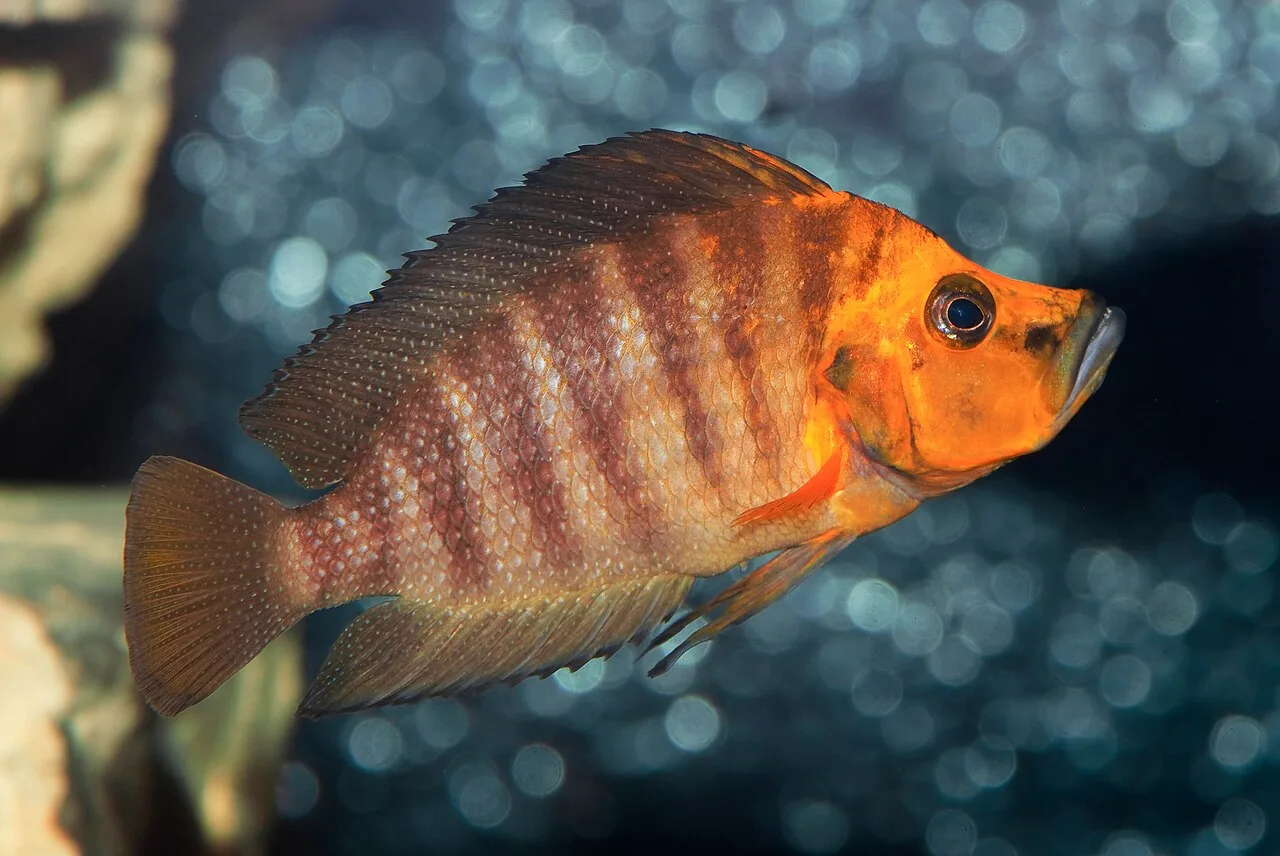
Like all species of the genus, Cyprichromis leptosoma is slender and elongated. Size figures range from about 8 to 11 cm. The base colour is brownish grey to silvery blue. Females have plain fins, males splendidly coloured ones. There are colour forms with lemon-yellow, blue-violet or orange tail fins. The mouth is protrusible and forms a suction tube for zooplankton.
In the mid-1970s the species first reached Europe alive. Because the first fish were all yellow-finned, it was called lemon tail in German. Today it is also called blue herring cichlid or killifish cichlid.
Origin & habitat
This describes the origin, not how to furnish the aquarium.
Open water above the rock walls of Lake Tanganyika. Clear, alkaline, oxygen-rich. The lake is the origin. The colour populations have tighter shores that are not drawn here as points.
The species lives only in the southern part of the lake in open water near the rocky shore, at depths of up to 80 metres, and forms schools of several hundred fish. It lives in the south of the lake in Zambia and along the eastern shore into Tanzania. The IUCN lists the species as Least Concern. The main predator is Cyphotilapia frontosa, which mostly lives deep but comes up to hunt this species especially at dawn.
Care
Size
24 to 27 °C, pH 8 to 9, hard. From about 250 litres and 120 cm for a group from eight, with several males. Open above. Below, other Tanganyika species can use the rocks if the tank is high enough. Moderate current. Bright light bothers them less than hidden species, because these fish want the open water.
Company
Shell dwellers and other bottom species below, the leptosoma above. No mbuna that push into the same column. No tiny fish that fit in the mouth. The group has to be large enough from the start.
Diet
Small animal food in open water. Brine shrimp, cyclops, mosquito larvae, a granule that sinks slowly. Several feeds a day. A tablet on the bottom is the food of the other species, not of this fish.\n\nThe males court in the water column. Anyone who feeds only once a day hardly sees the courtship, because afterwards the fish only wait for the next portion.
The diet consists mainly of zooplankton. The protrusible mouth is an adaptation to this food.
Behavior
A group with a rank order of the males in open water. That is display and a short chase, as long as the length is right. In a short tank one male is pushed into a corner. Females need the group as cover, not one male on one female.
Males form a three-dimensional display arena, a lek, in mid-water. Females choose which male they mate with.
Reproduction
Mouthbrooder in open water. The female takes up the eggs while the pair stands in the column. The carrying time is about three weeks. In a dense group the released young are often eaten. Anyone who wants to keep them catches the carrying female out calmly.
Spawning in open water
The species is a maternal mouthbrooder and spawns in open water, not on stones or sediment. For this reason, unlike some other mouthbrooders of the lake, it is not a possible victim of the cuckoo catfish. A clutch usually consists of no more than ten whitish yellow eggs 2 mm across. The female catches each egg in her mouth at once, before it reaches the bottom. Accounts differ on when the egg is fertilised: only in the mouth, or already in open water by the male.
During the brooding period of about three weeks the female hardly eats. Then she releases the young, about 2 cm long, often in a rocky area for protection, and does not care for them further.
Gallery
More species in this group


Similar water needs
Species with a similar temperature, a similar pH and a comparable adult size. Whether their behaviour fits as well is what the compatibility check is for.