
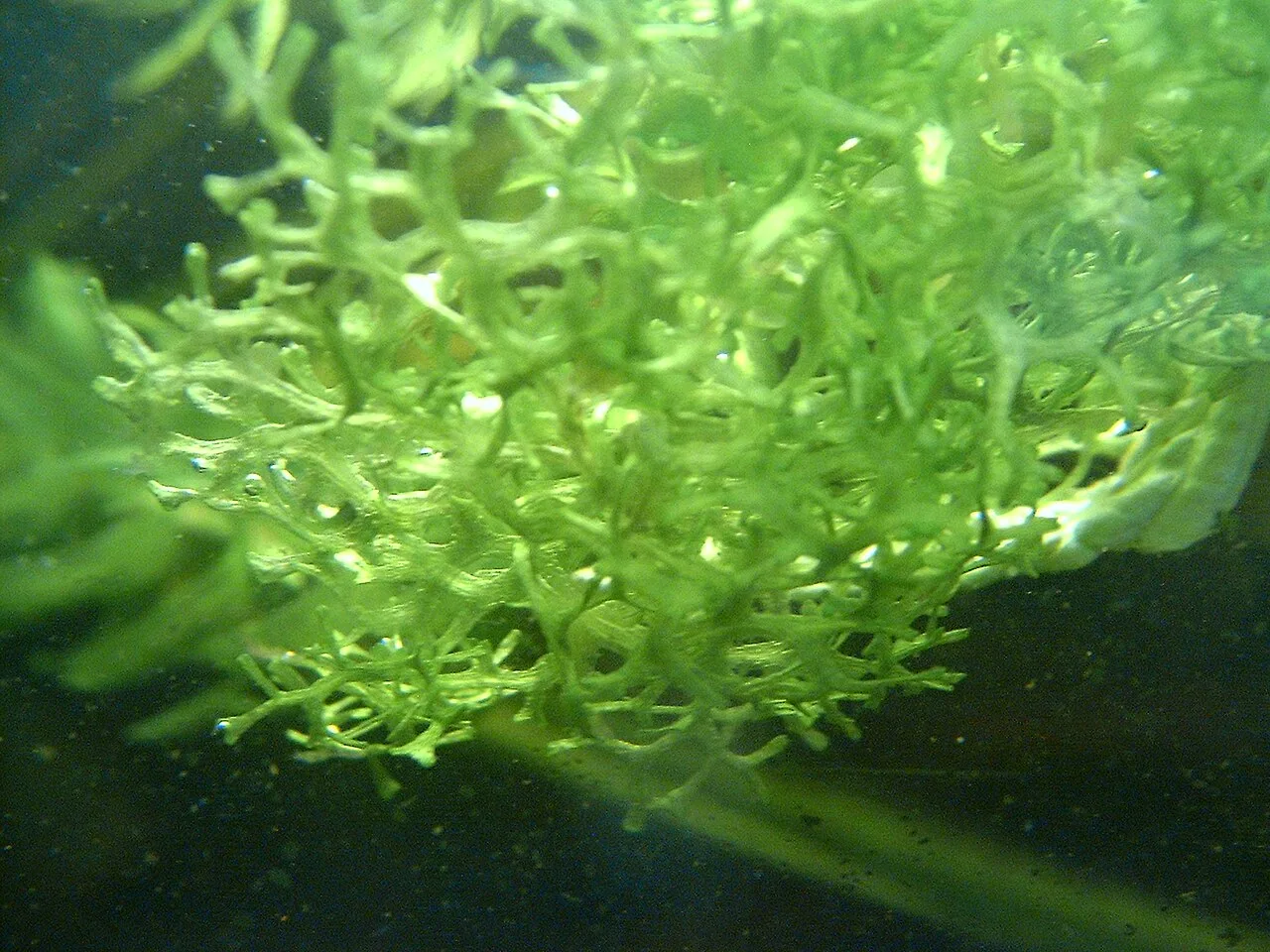
 Single source
Riccia fluitans
Crystalwort
A floating liverwort that, under strong light and CO₂, is also kept as a tied cushion under water. Untied, it forms a closed cover.
- Placement Floating
- Lighting High light
- CO₂ Medium CO₂
Encyclopedia
Aquarium plants by position, light and what the profile really states.
Random species No CO₂ requirement For beginners Fast growing
99 species
Single source
Riccia fluitans
A floating liverwort that, under strong light and CO₂, is also kept as a tied cushion under water. Untied, it forms a closed cover.
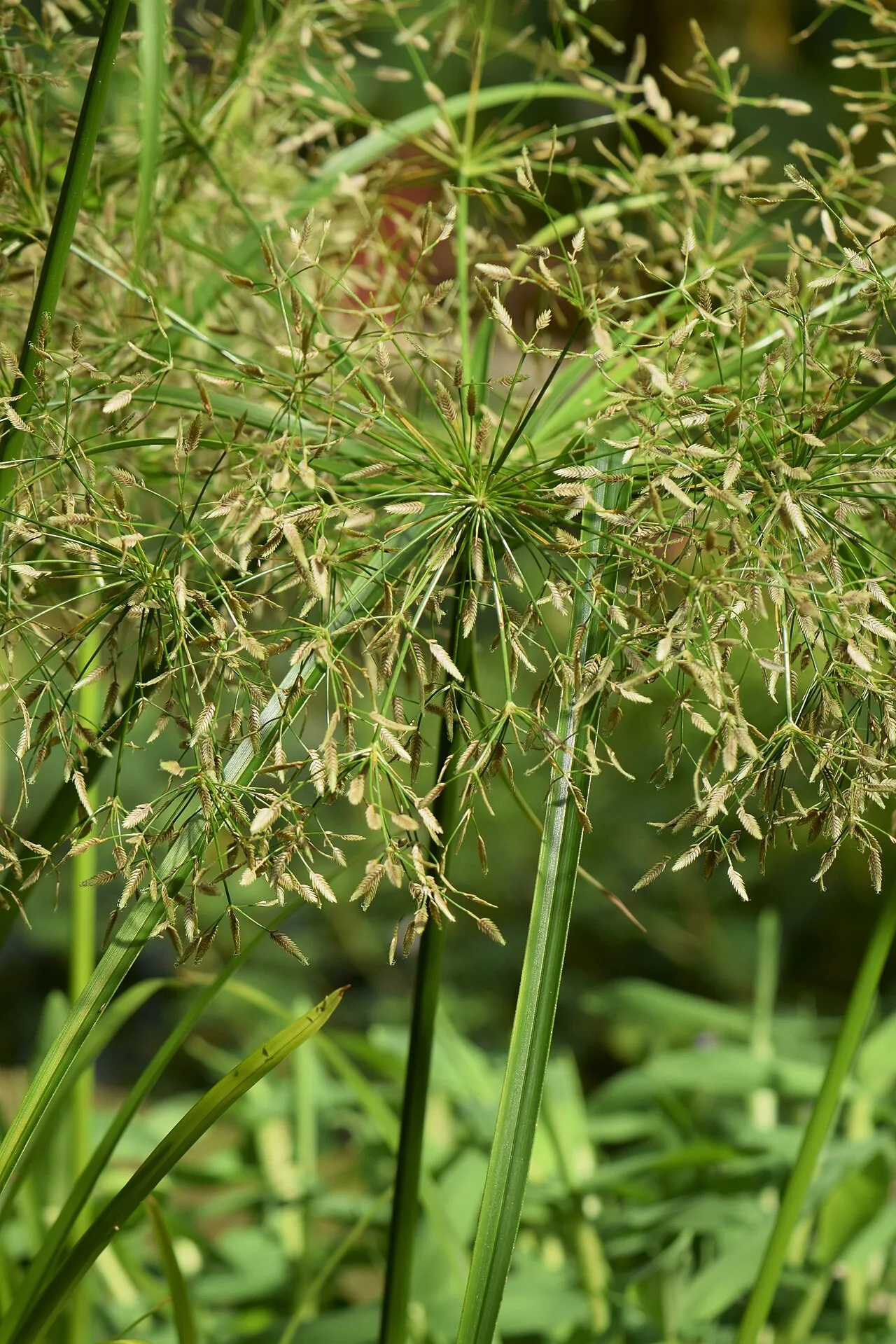 Single source
Cyperus helferi
A grass-like rosette for the midground, whose long leaves move in the current. It grows slowly and wants a nutrient-rich substrate.
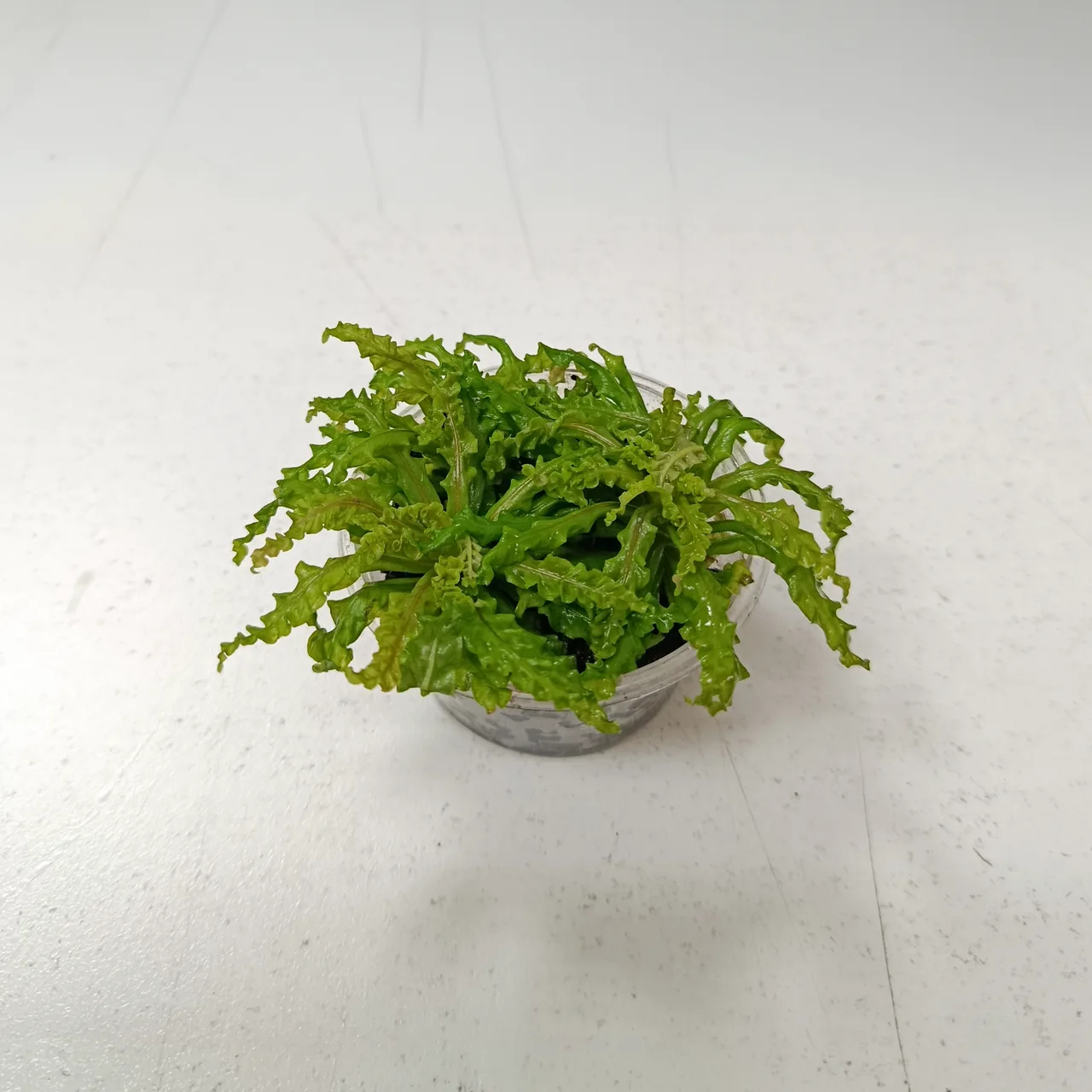 Single source
Pogostemon helferi
A star-shaped rosette from Thailand and Myanmar. The type locality is Sangkhla Buri. An extension to the Indian Himalaya is disputed.
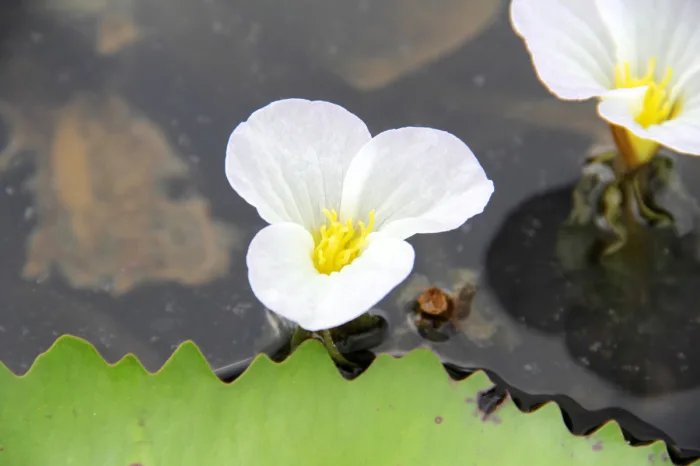 Single source
Ottelia alismoides
A rosette with broad, often translucent leaves and a flower that can grow above the surface. It becomes a specimen plant.
 Single source
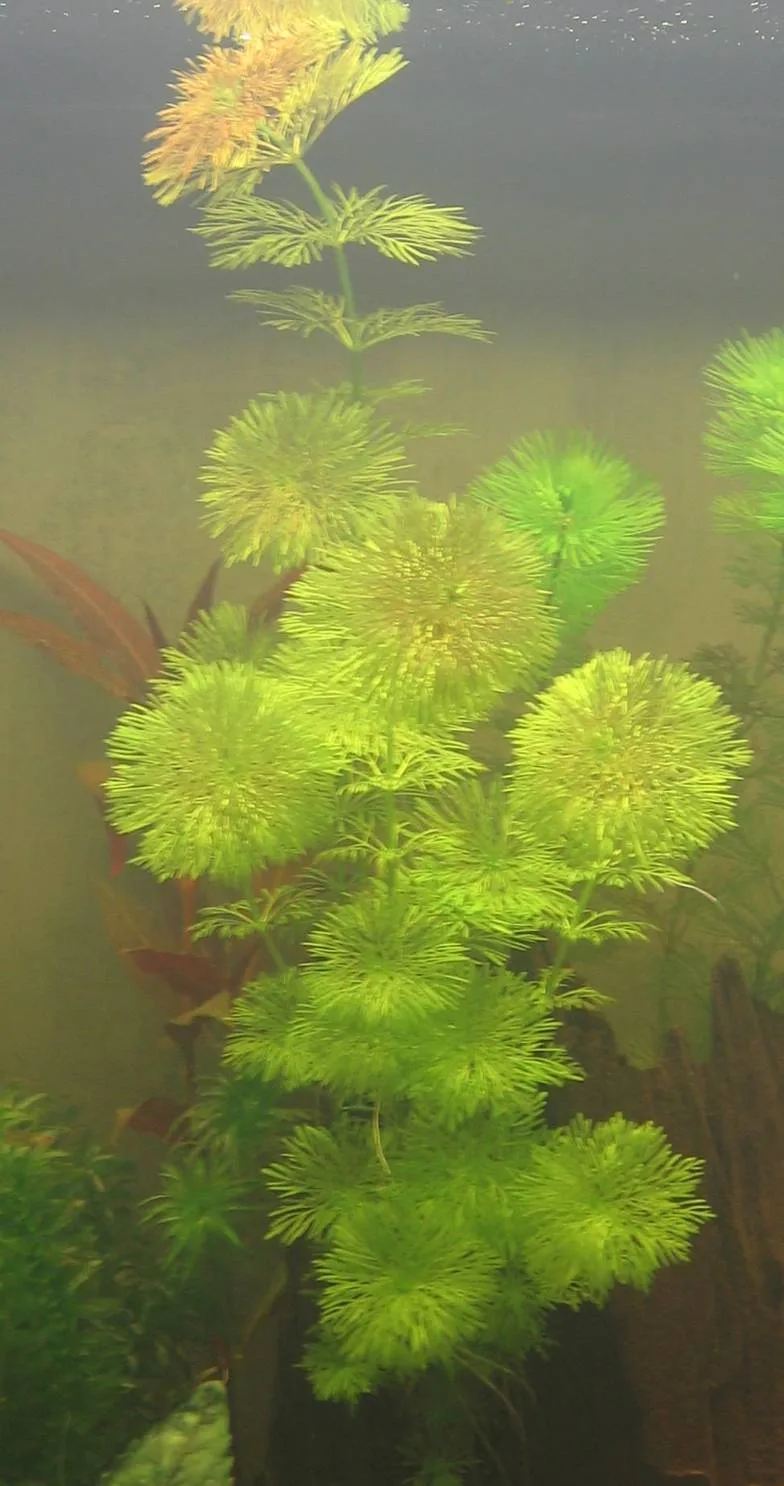
Limnophila sessiliflora
A stem plant from South and East Asia. There is no German species page. The English article describes two leaf forms and introduction in three US states.
 Single source
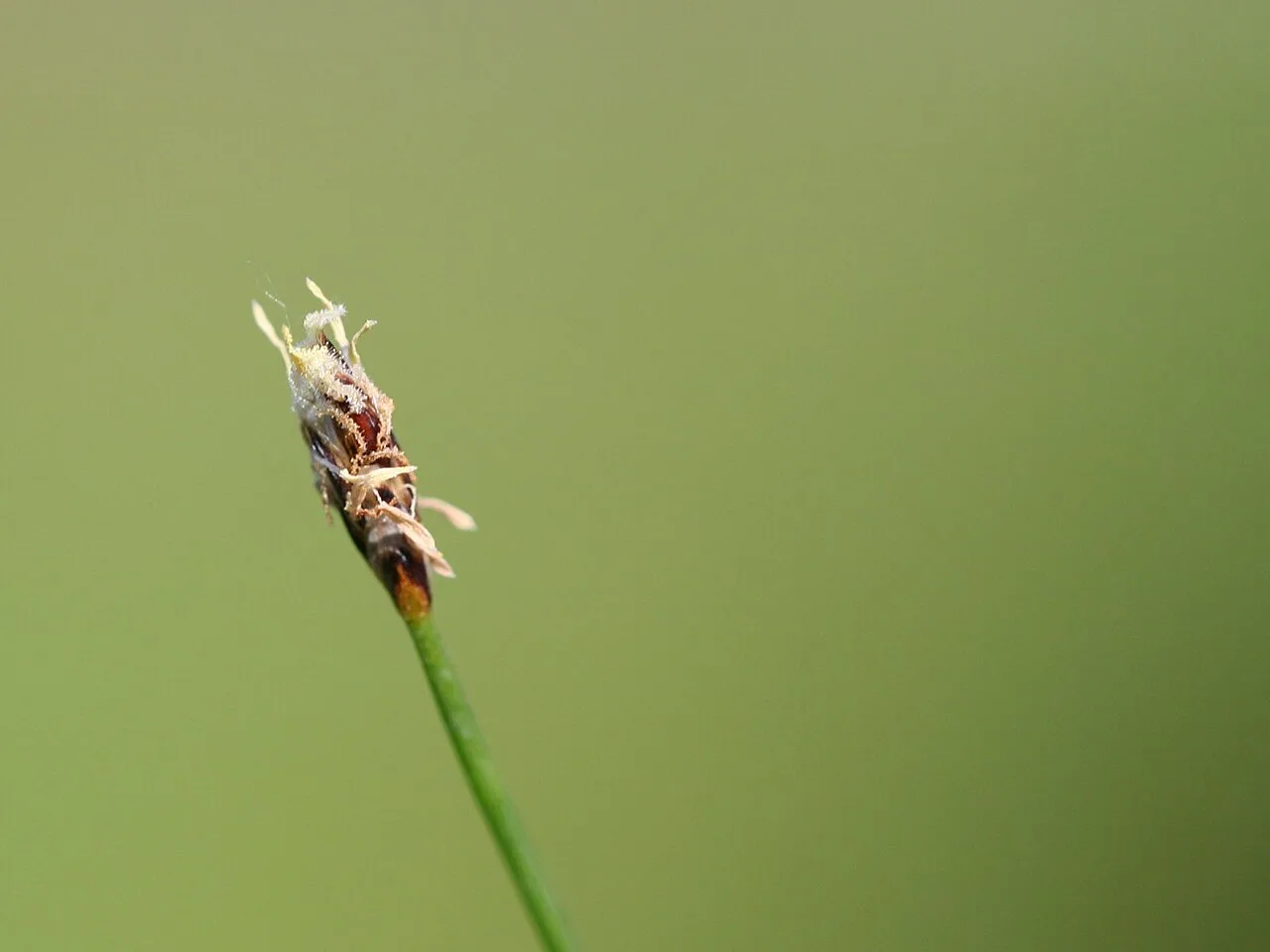
Eleocharis acicularis
A fine sedge of large parts of the northern hemisphere. The article mentions aquarium use in one sentence and gives no keeping figures.
 Single source
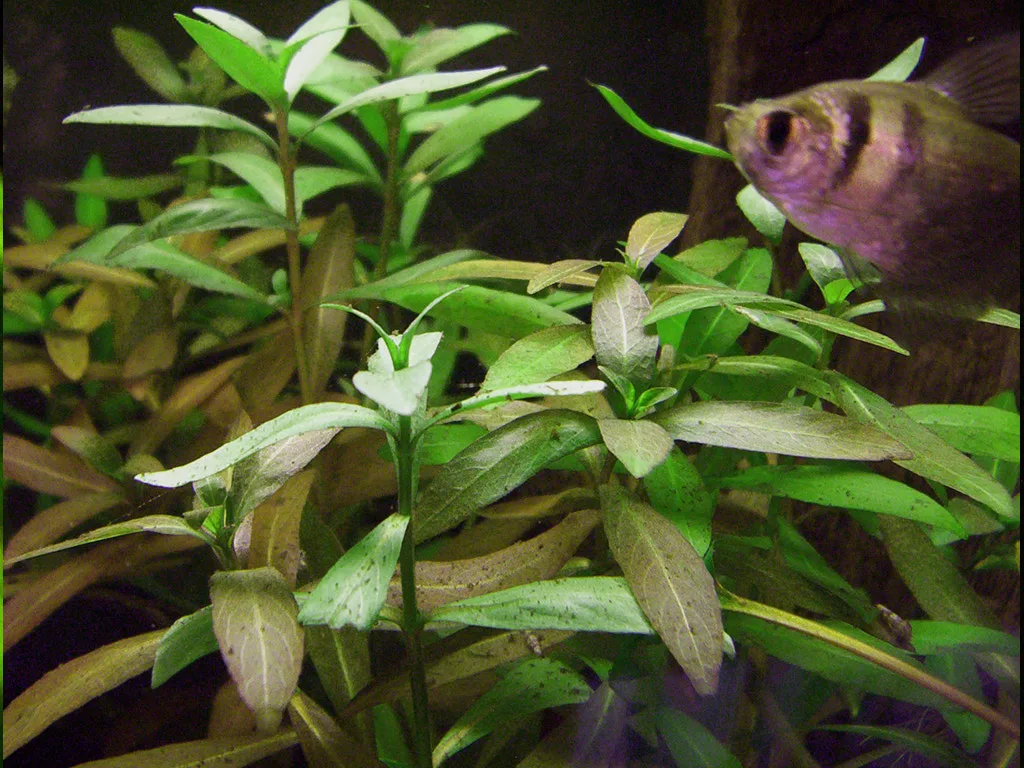
Hygrophila polysperma
A fast stem plant from South Asia. The article names 20 to 28 °C and says extra CO₂ fertilisation is not needed.
 Single source
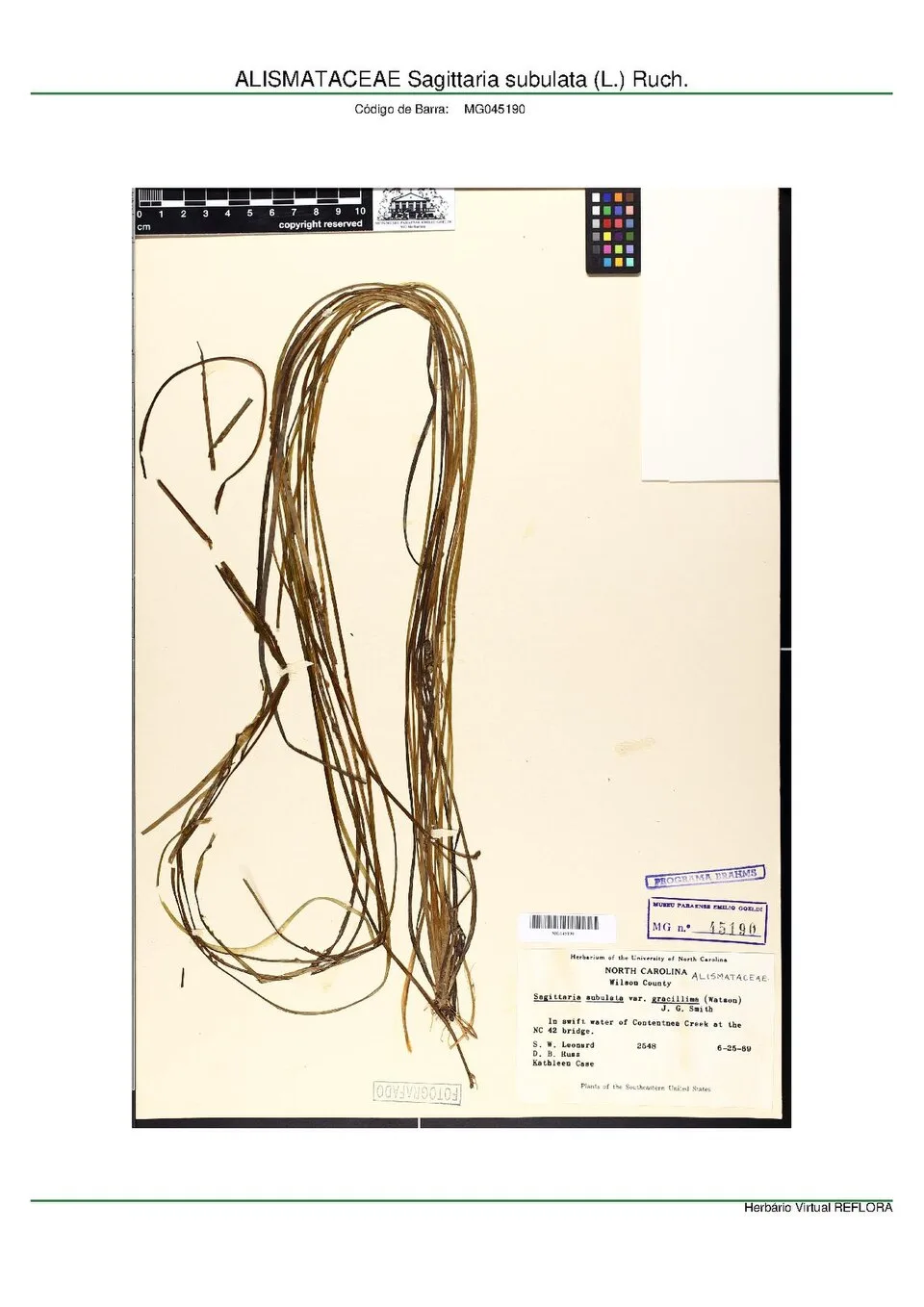
Sagittaria subulata
A grass-like plant for the foreground. The article names 18 to 28 °C for keeping and little dissolved CO₂.
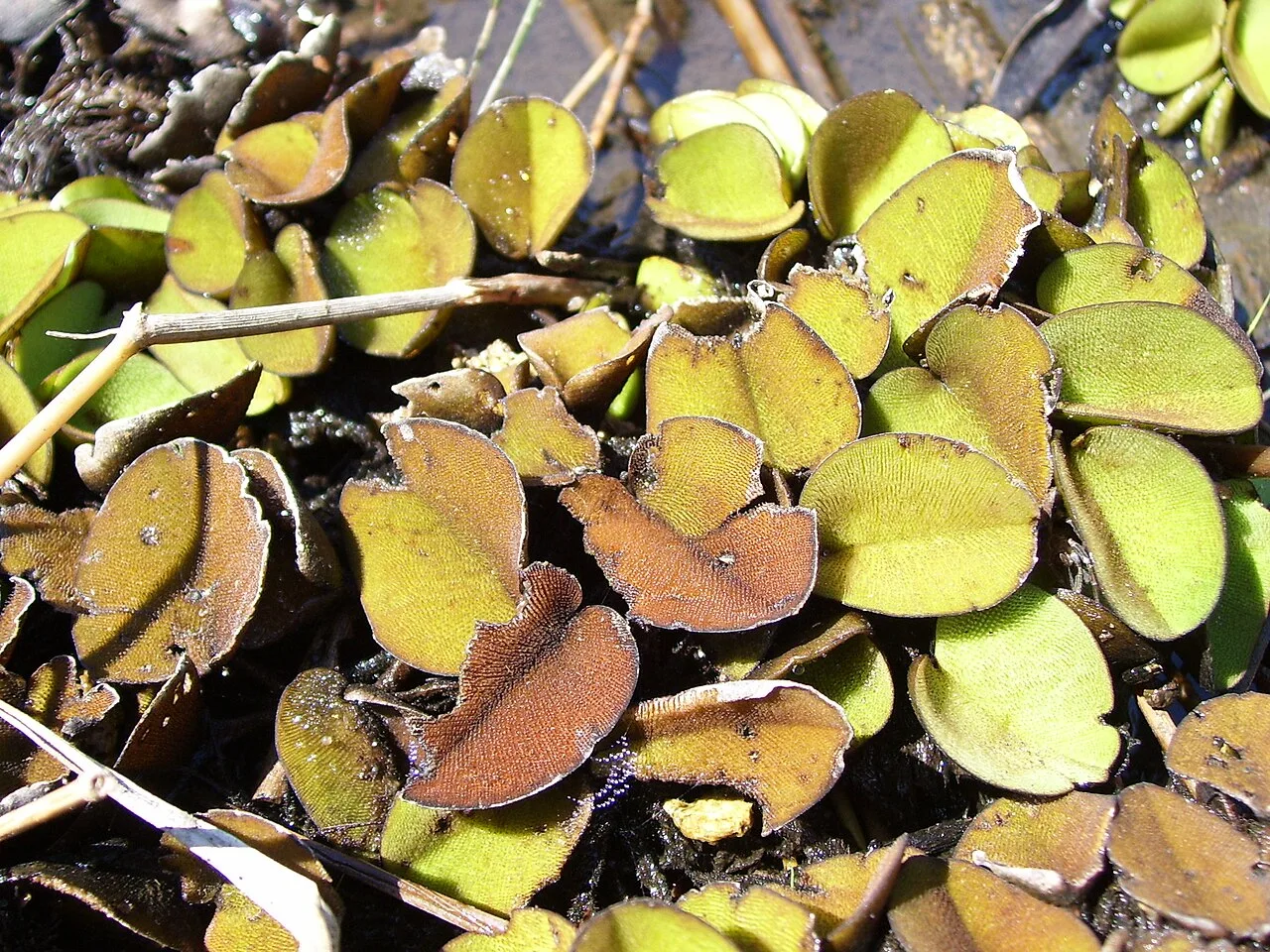 Single source
Salvinia auriculata
A floating fern with hairy leaves that closes an area quickly. It has to be limited and must not be released.
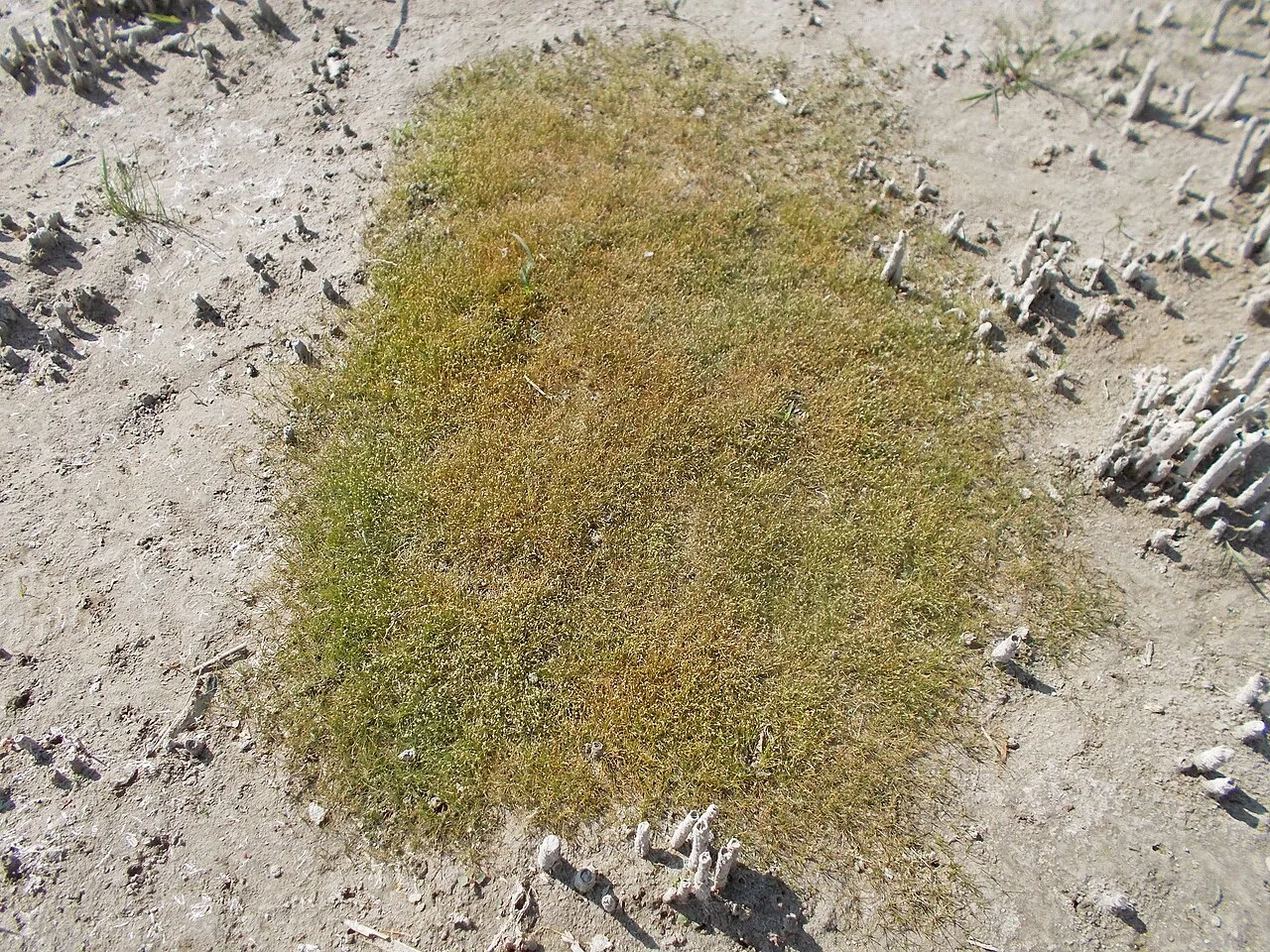 Single source
Eleocharis parvula
An even finer hairgrass than Eleocharis acicularis. The lawn stays short only when light reaches the bottom.
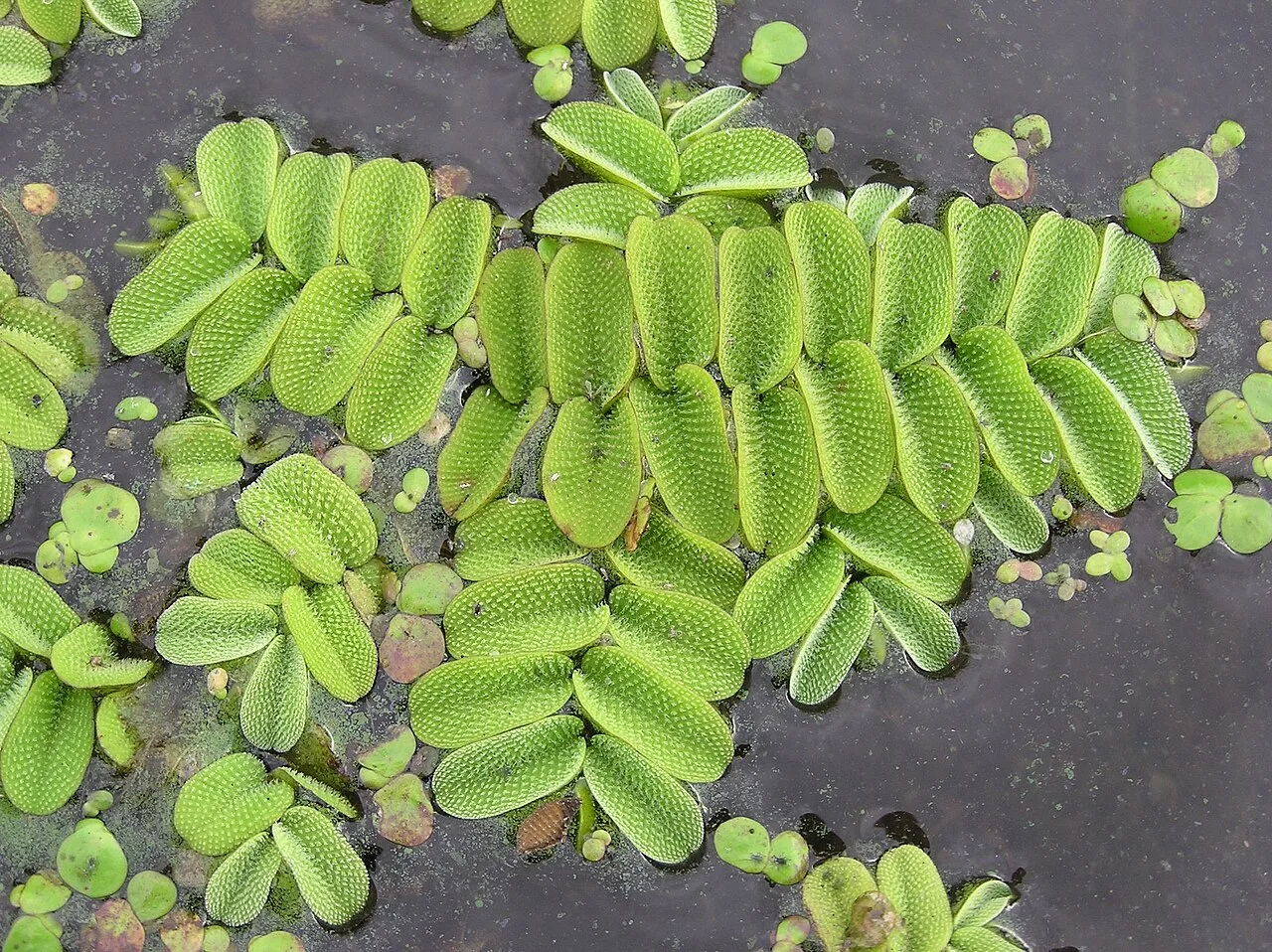 Single source
Salvinia natans
A floating fern with hairy leaves that closes an area quickly and has to be limited.
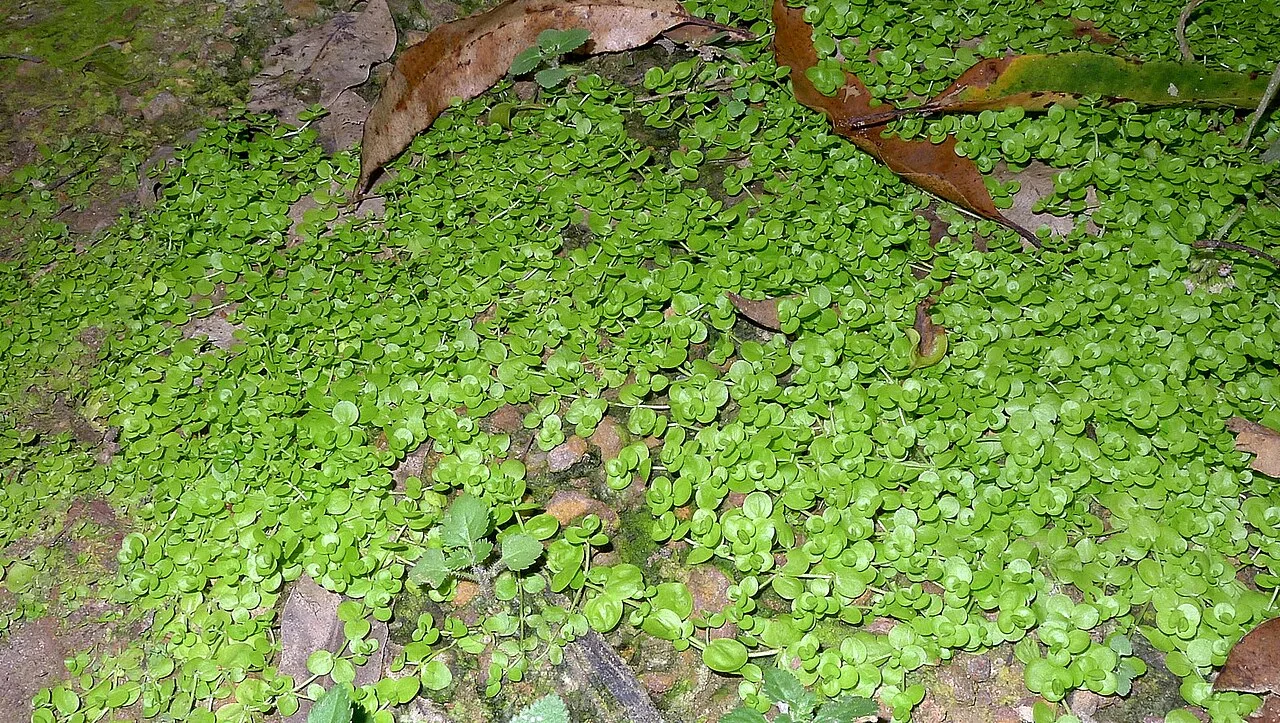 Single source
Micranthemum umbrosum
A fine stem plant, larger in the leaf than Cuban baby tears. It becomes a bush or, under strong light, a lower carpet.
 Single source
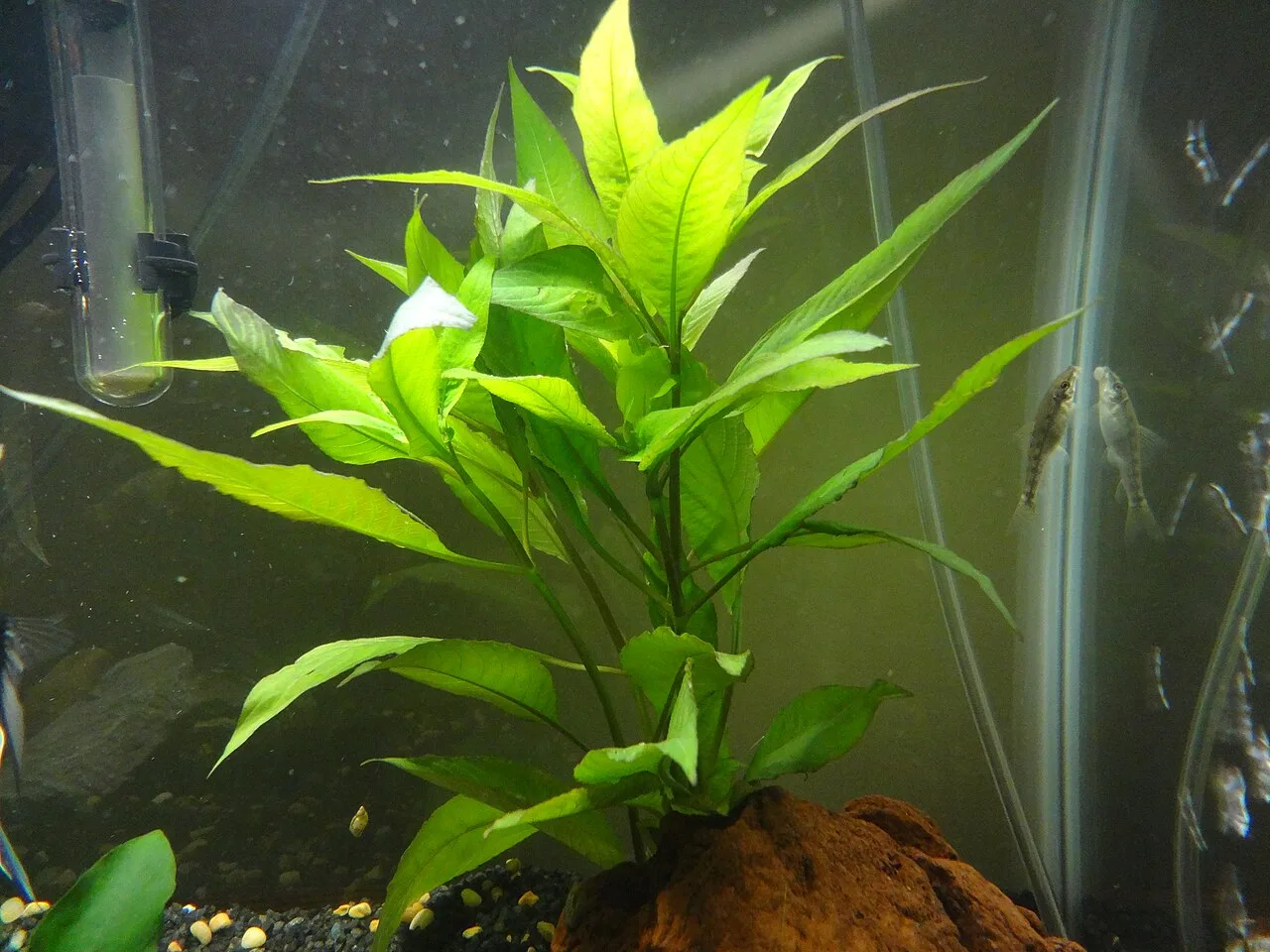
Hygrophila corymbosa
A large stem plant with broad leaves. It fills the background quickly and has to be cut before it shades everything else.
 Single source
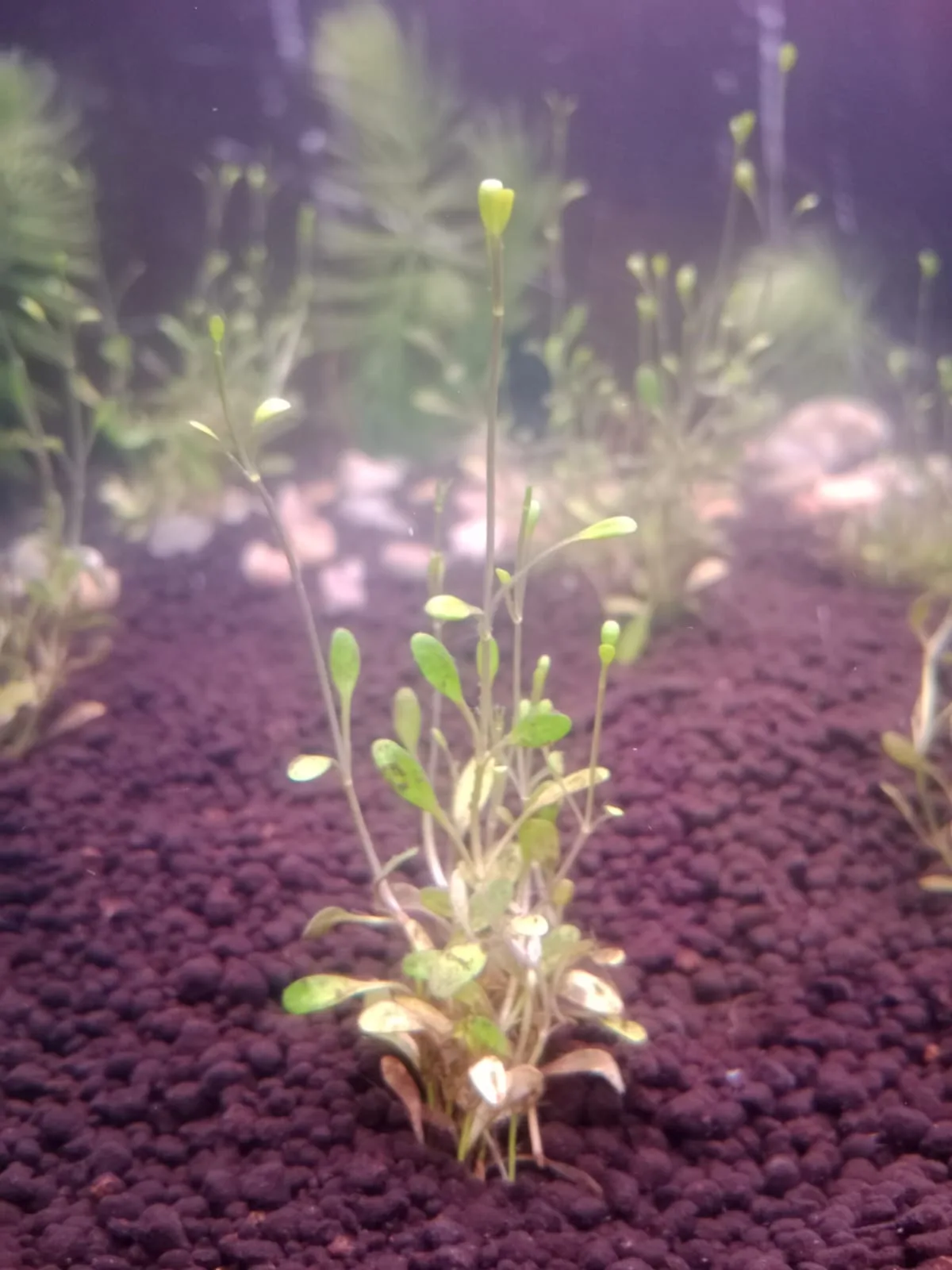
Glossostigma elatinoides
A creeping ground cover from Australia and New Zealand. A lawn appears only in strong light, with CO₂ and from many small tufts.
 Single source
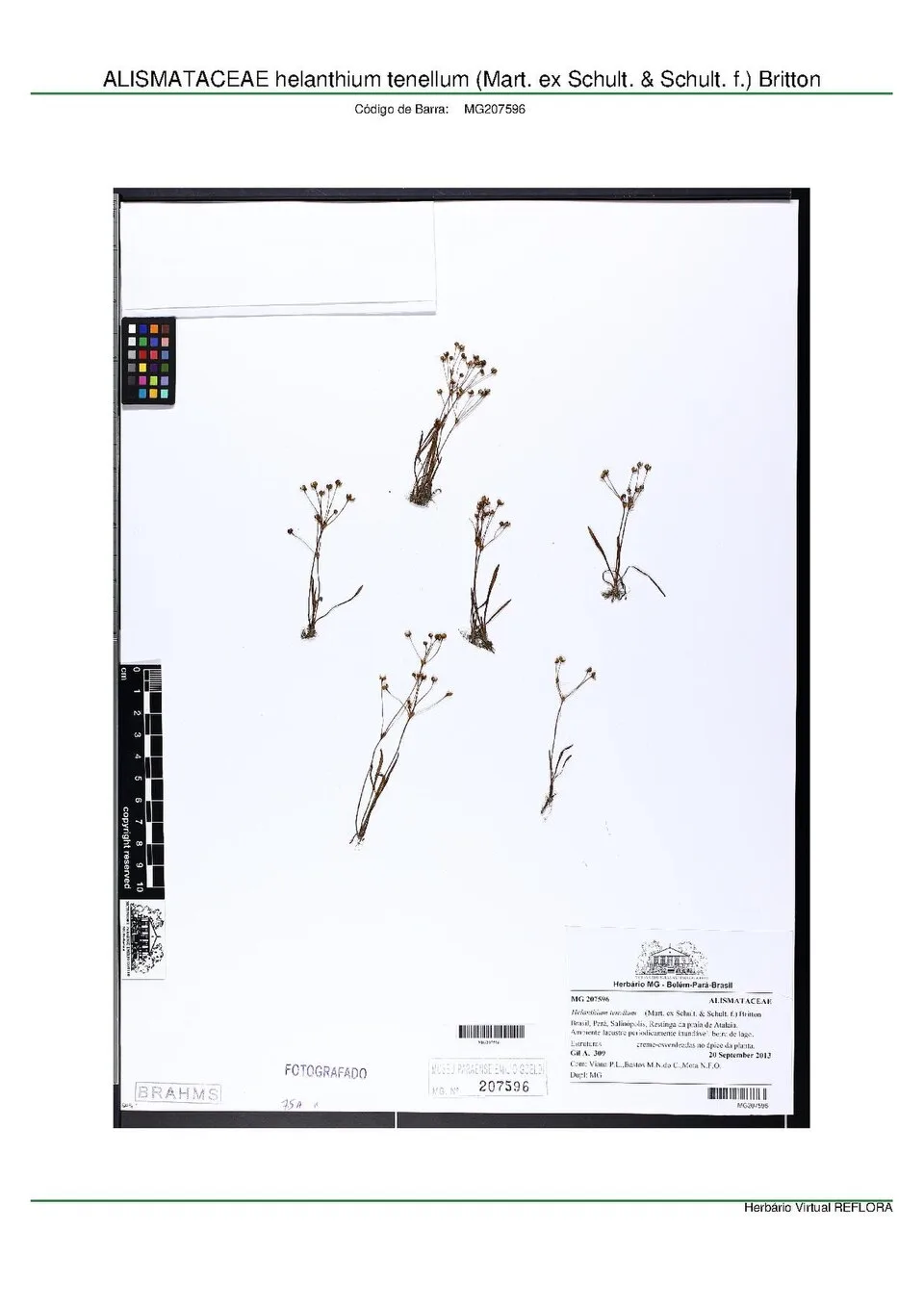
Helanthium tenellum
A small runner ground cover, formerly placed with the Amazon swords. A lawn comes from many single plants and from light.
 Single source
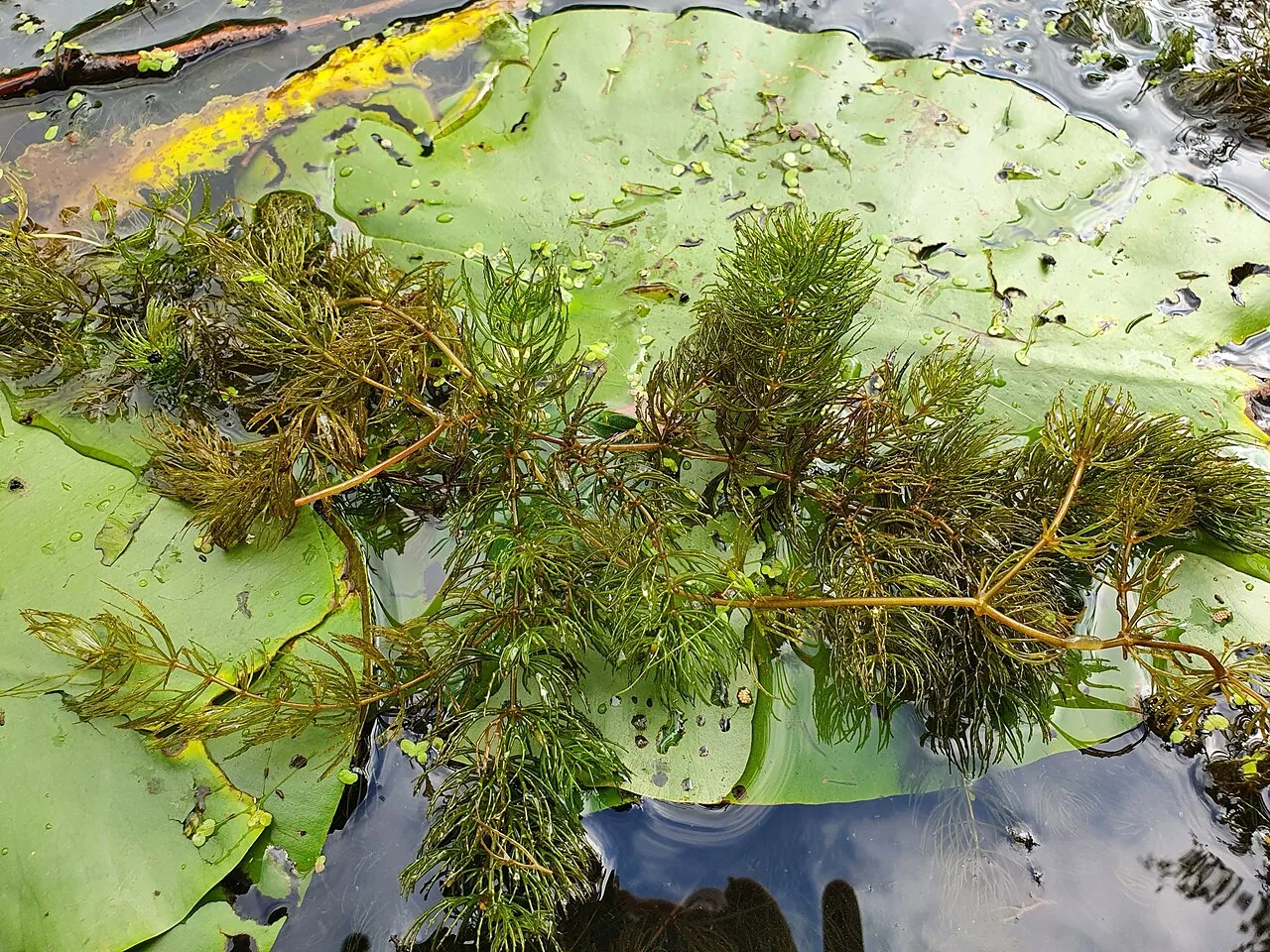
Ceratophyllum demersum
A rootless stem plant that floats or is laid in loosely. It grows fast, draws nutrients and has to be limited.
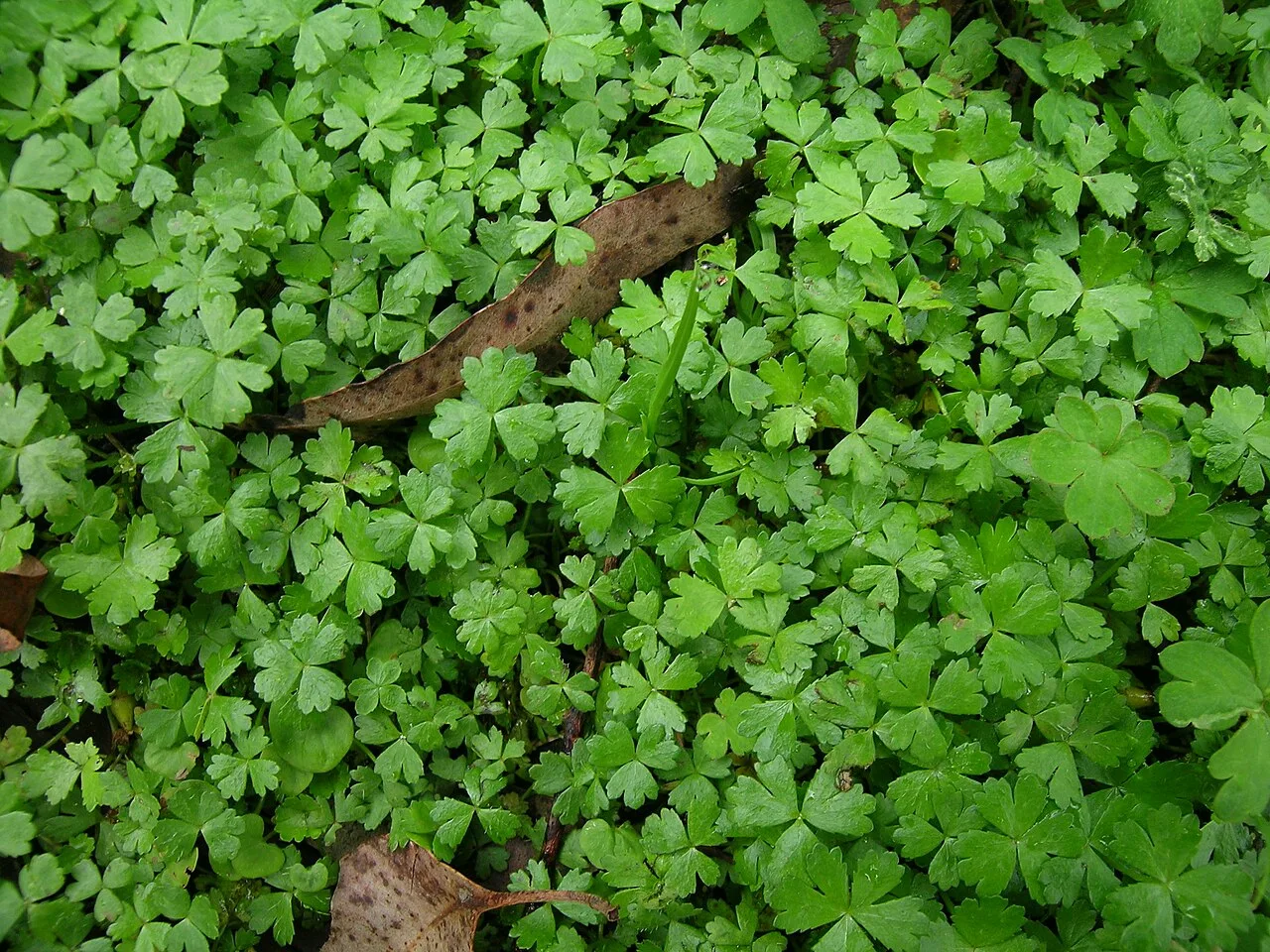 Single source
Hydrocotyle tripartita
A creeping plant with three-part leaves, grown as a ground cover or as a small bush on wood. It grows fast once the light arrives.
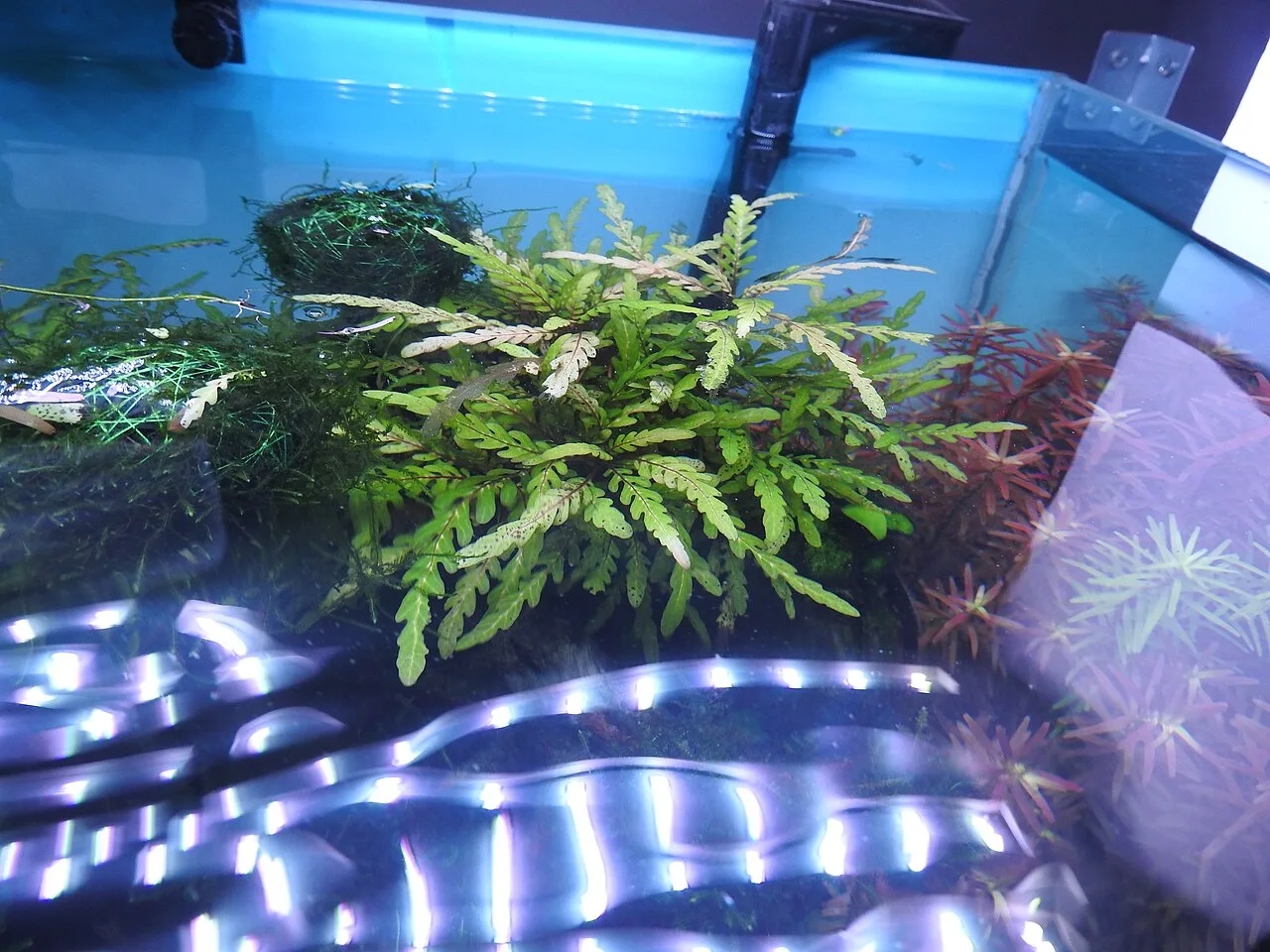 Single source
Hygrophila pinnatifida
An epiphyte and a shallow-set plant from India, with divided leaves that are brown above and pink below. The colour comes with light. The shape comes with leaving the rhizome alone.
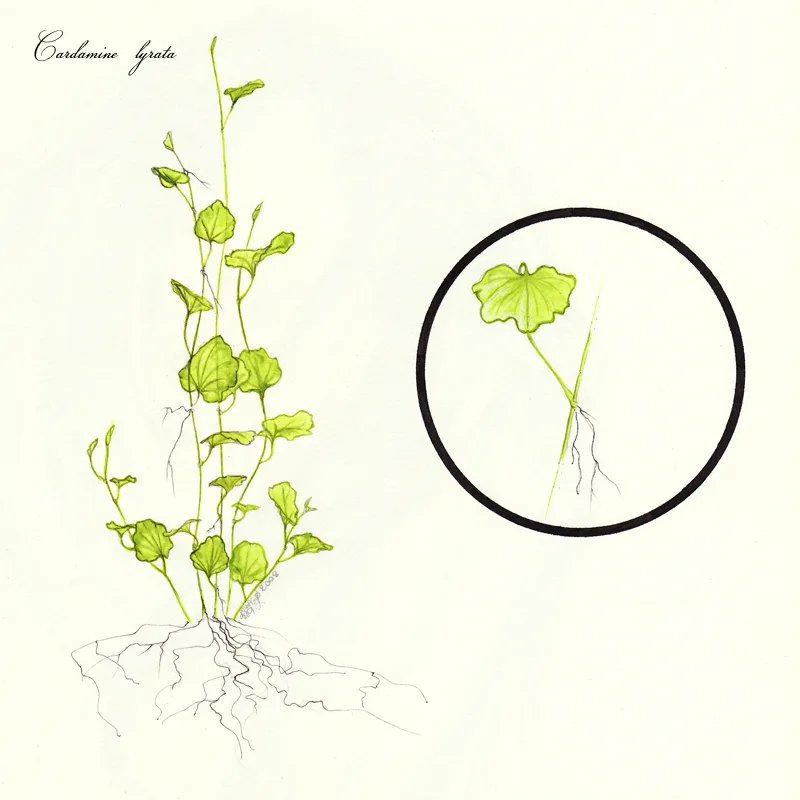 Single source
Cardamine lyrata
A delicate stem plant with rounded leaves. It stays dense in cool water and becomes long and holey in a warm tank.
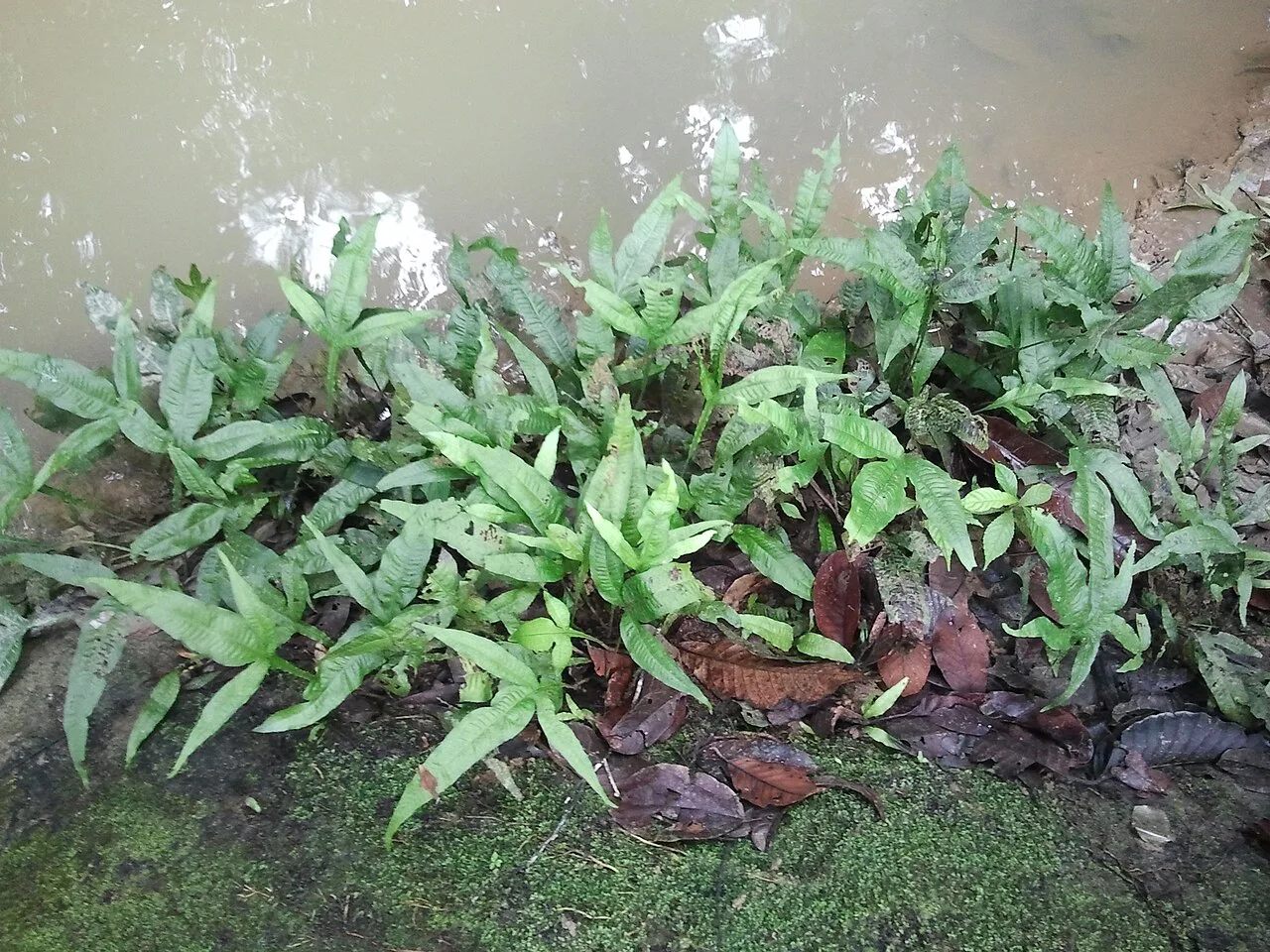 Single source
Microsorum pteropus
An epiphytic fern, listed in the article as Leptochilus pteropus. Microsorum pteropus is treated there as outdated. The catalogue name remains Microsorum pteropus.
 Single source
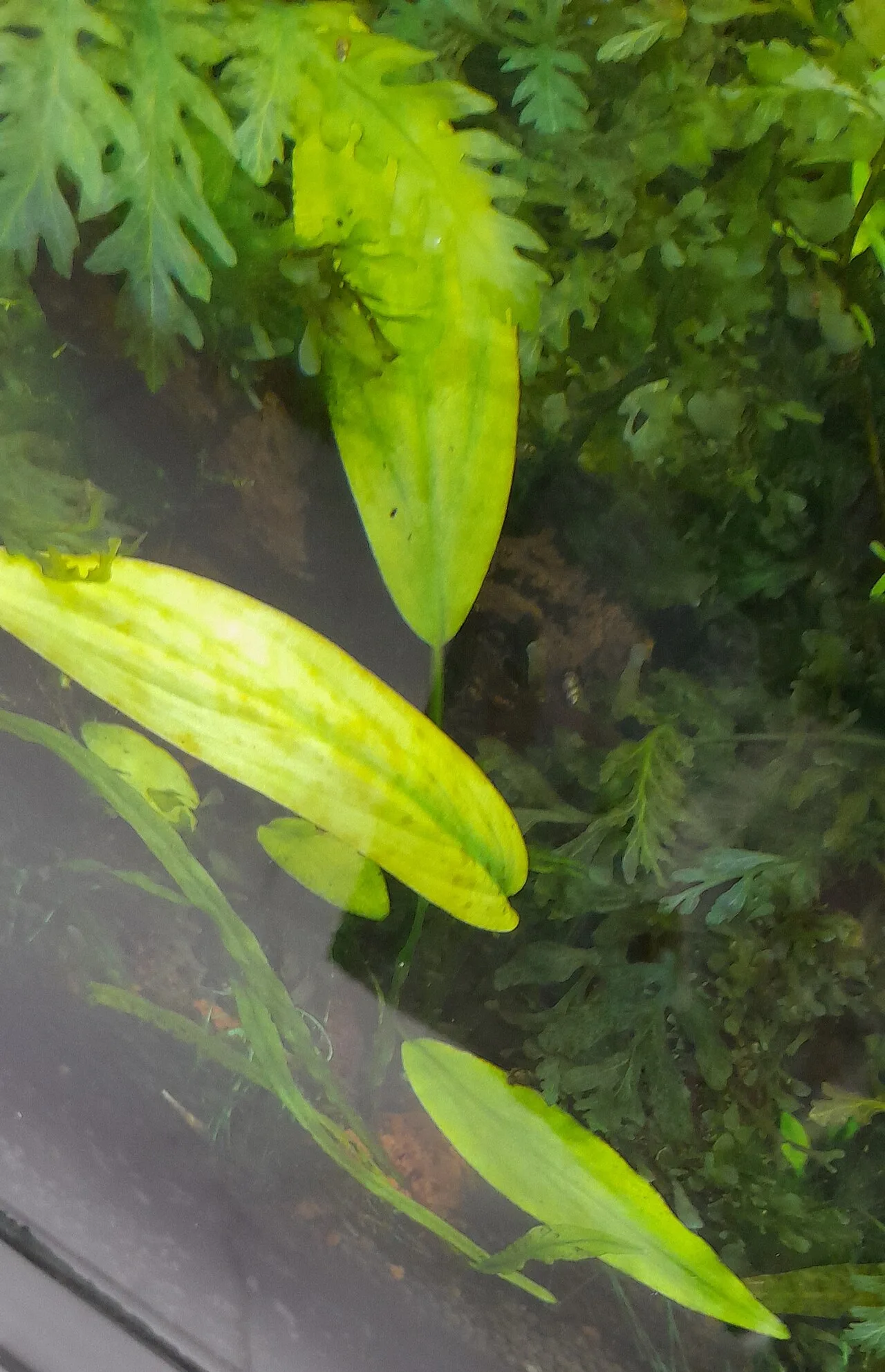
Lagenandra meeboldii
A rosette from India with tough, often silvery marked leaves. It grows slowly and wants quiet at the rhizome.
 Single source
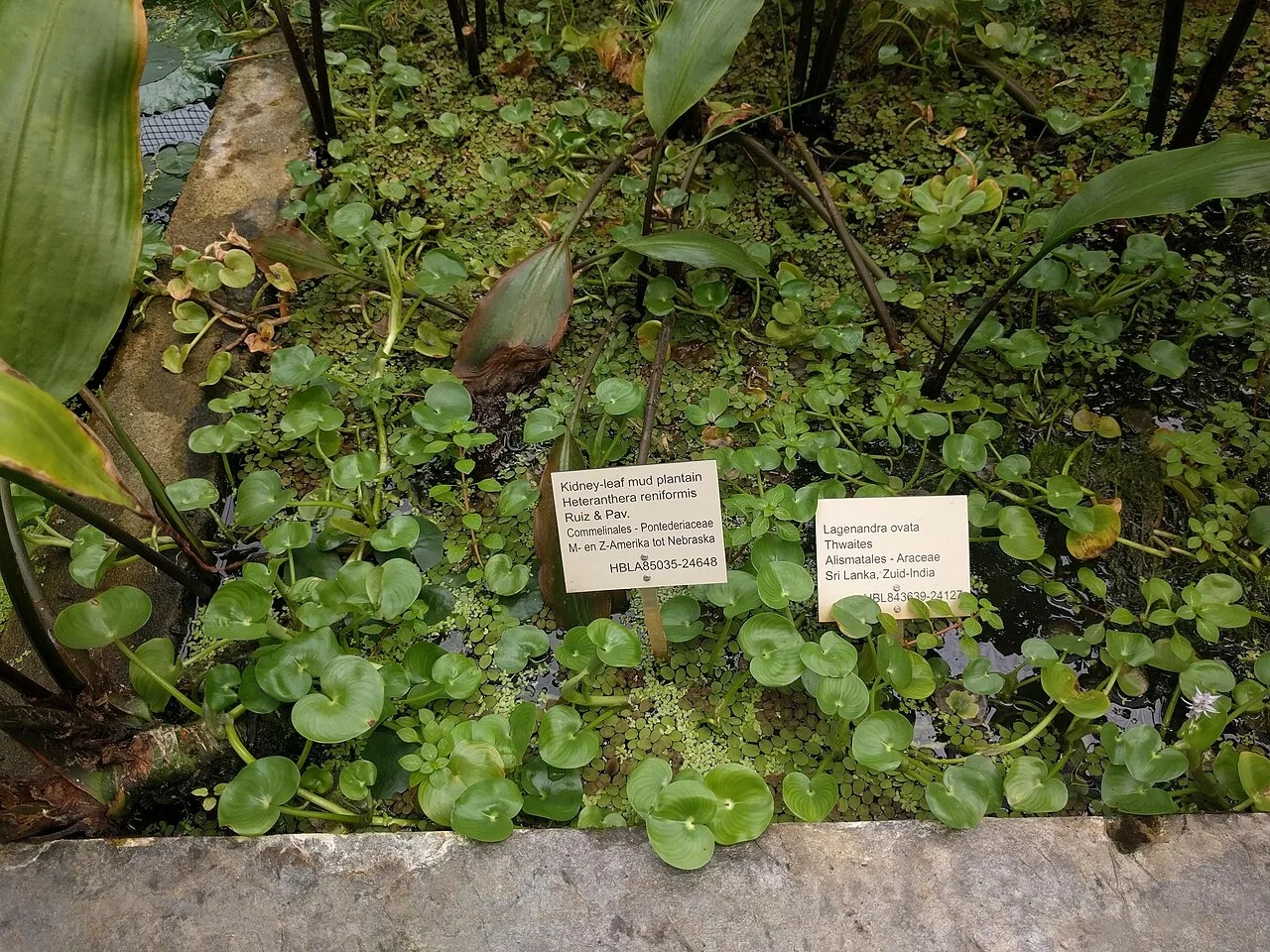
Lagenandra ovata
A large rosette with tough, often waved leaves. It grows slowly, wants half-shade, and a free rhizome.
 Single source
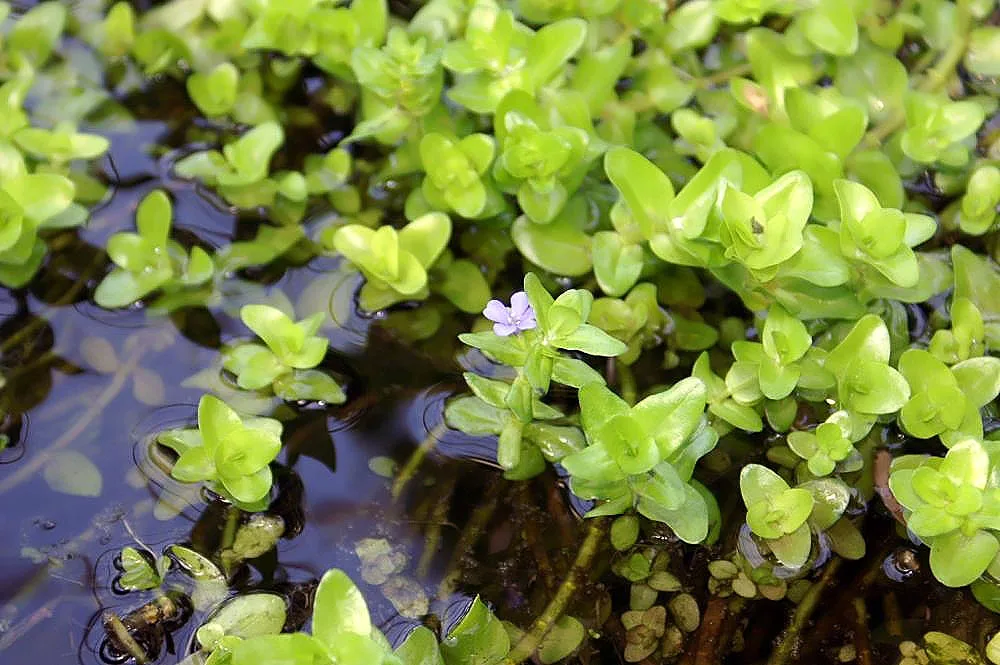
Bacopa caroliniana
A thick-leaved stem plant from marshes in the southern United States. Crushed leaves smell of lemon.
 Single source
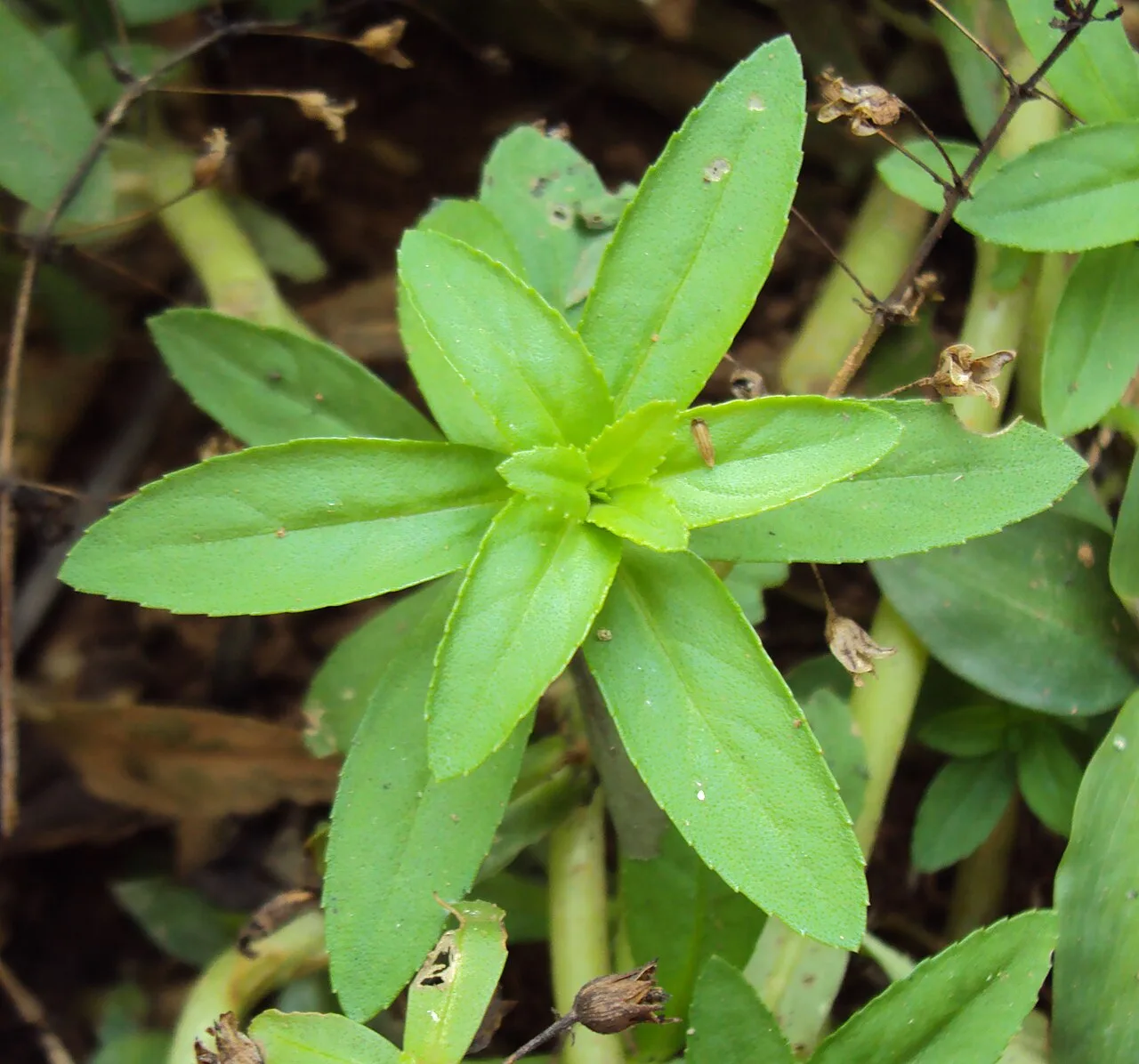
Limnophila aromatica
A stem plant from Asia whose underwater leaves turn red under light and CO₂. Without both it stays green and long.
 Single source
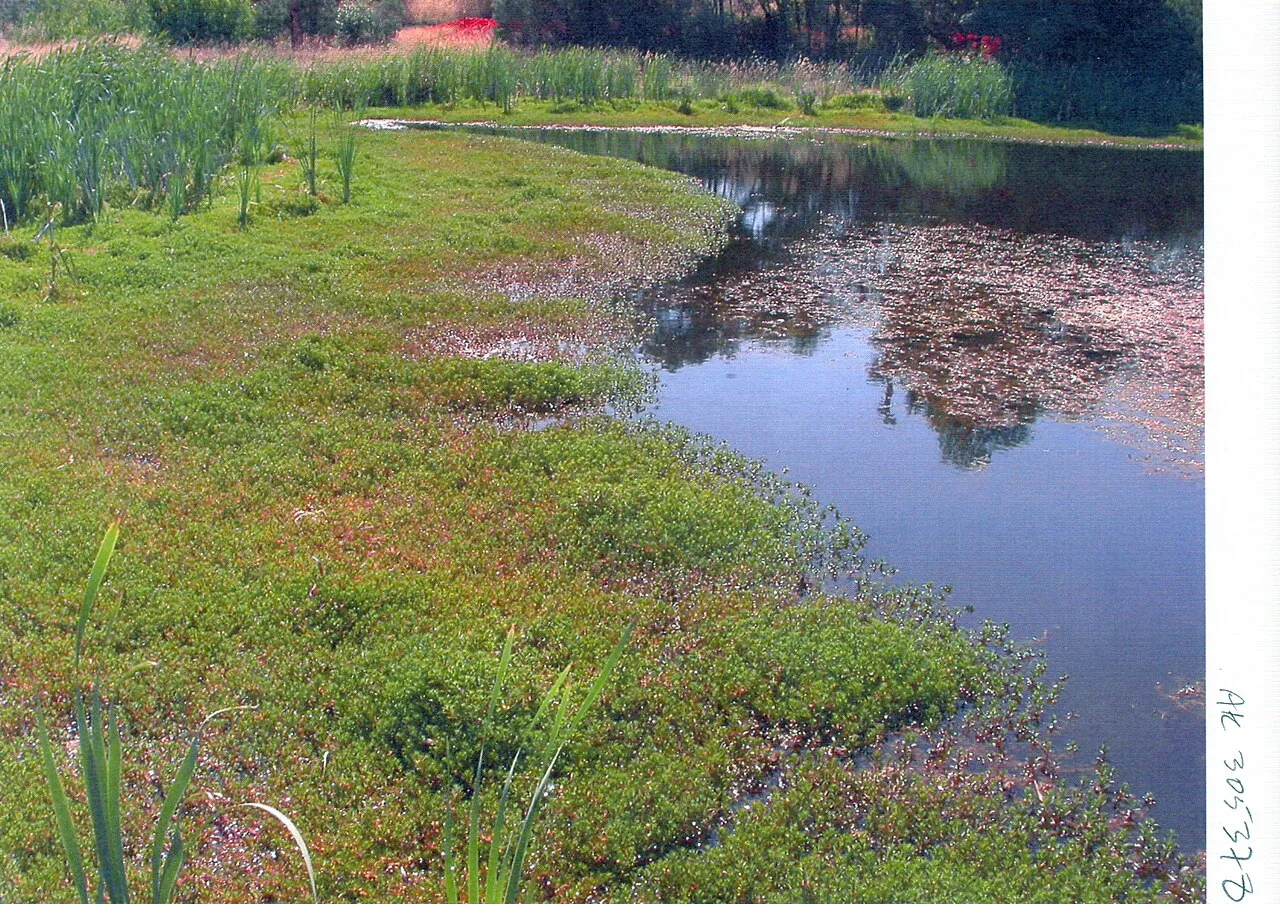
Ludwigia arcuata
A very narrow-leaved Ludwigia that turns orange under light and CO₂. It is more delicate than Ludwigia repens.
 Single source
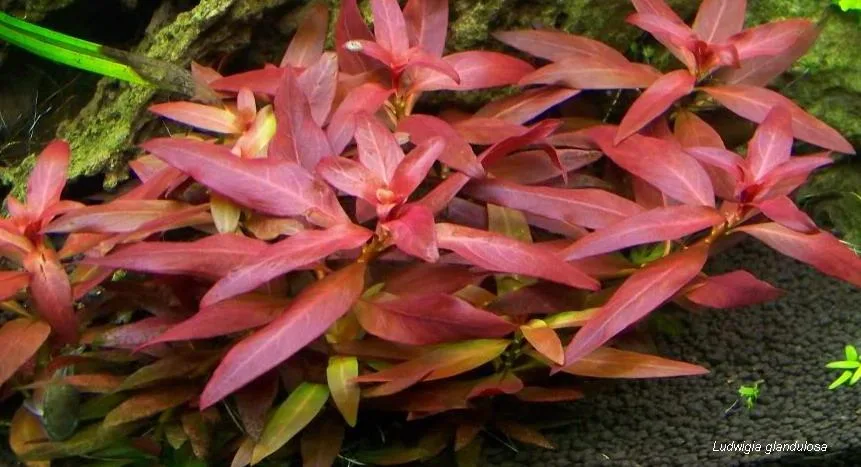
Ludwigia glandulosa
A dark red stem plant that holds the colour only under strong light and CO₂. In shade it turns green and drops the lower leaves.
 Single source
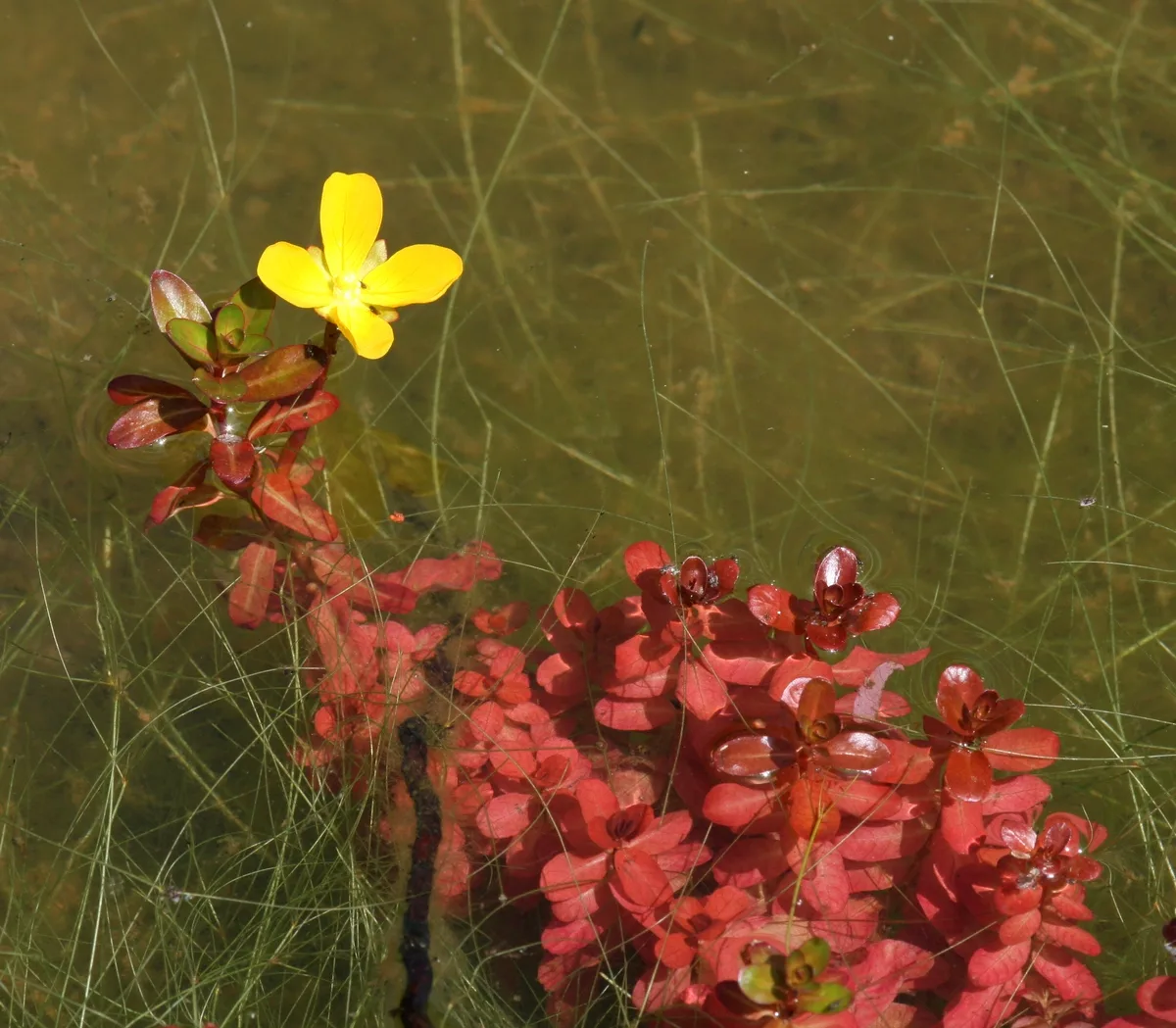
Ludwigia inclinata
A narrow-leaved Ludwigia that turns orange to red under strong light and CO₂. Without both it stays green and long.
 Single source
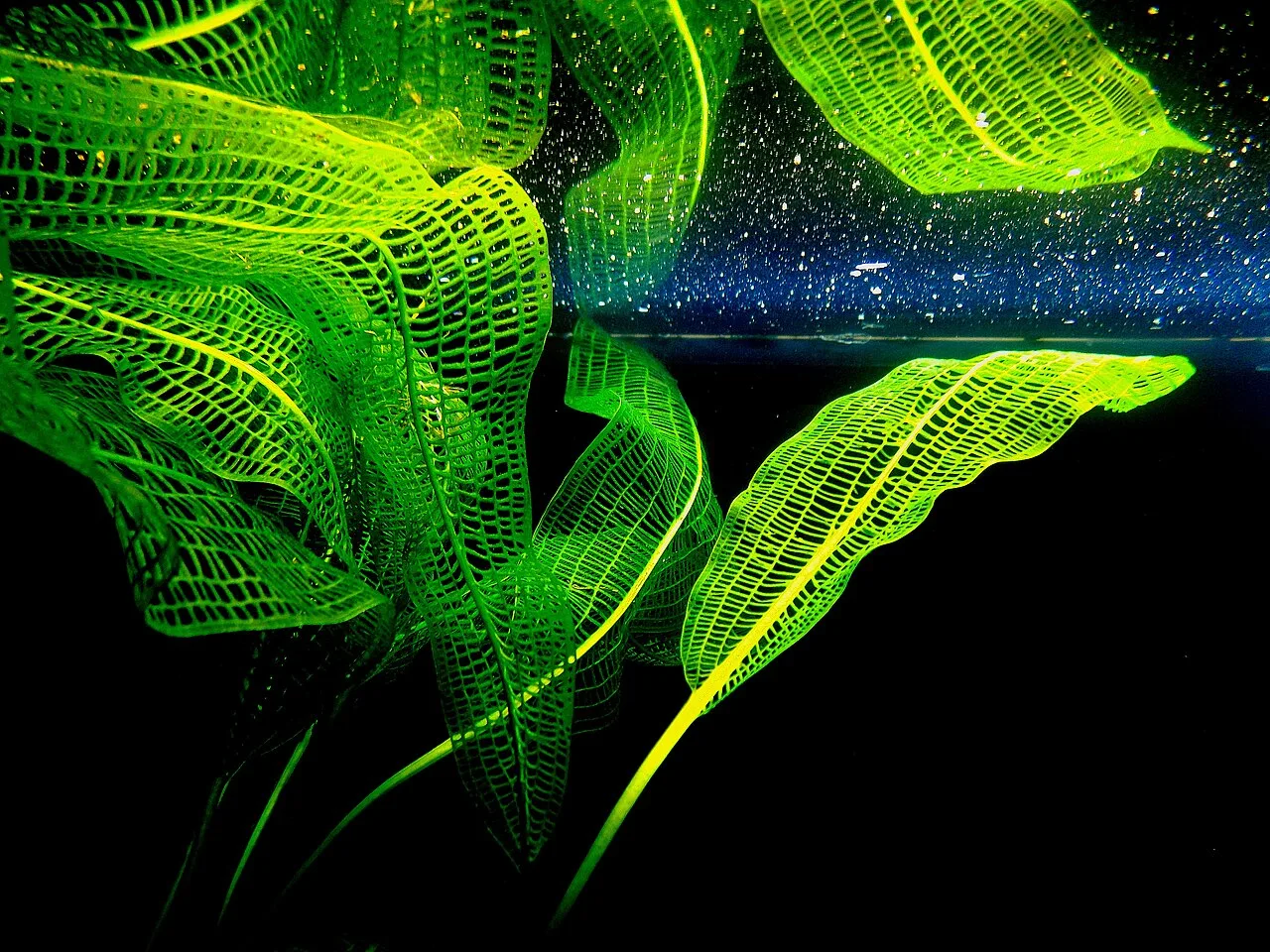
Aponogeton madagascariensis
A bulb plant from Madagascar whose leaves keep only the net of veins. It is demanding, takes rests and is not a beginner sword.
 Single source
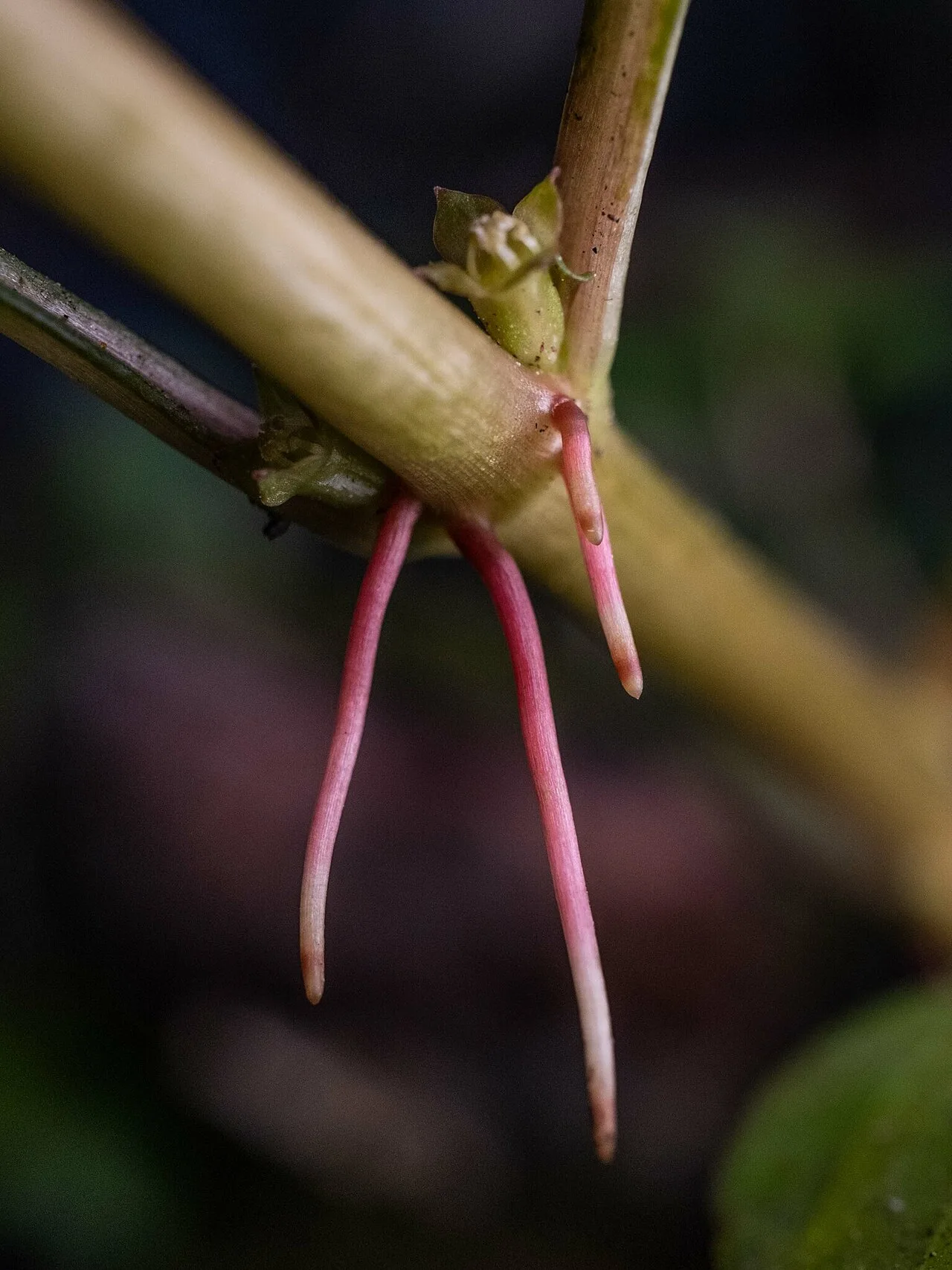
Ludwigia palustris
A stem plant that turns red under strong light and stays green and long in the shade. It is not creeping primrose-willow.
 Single source
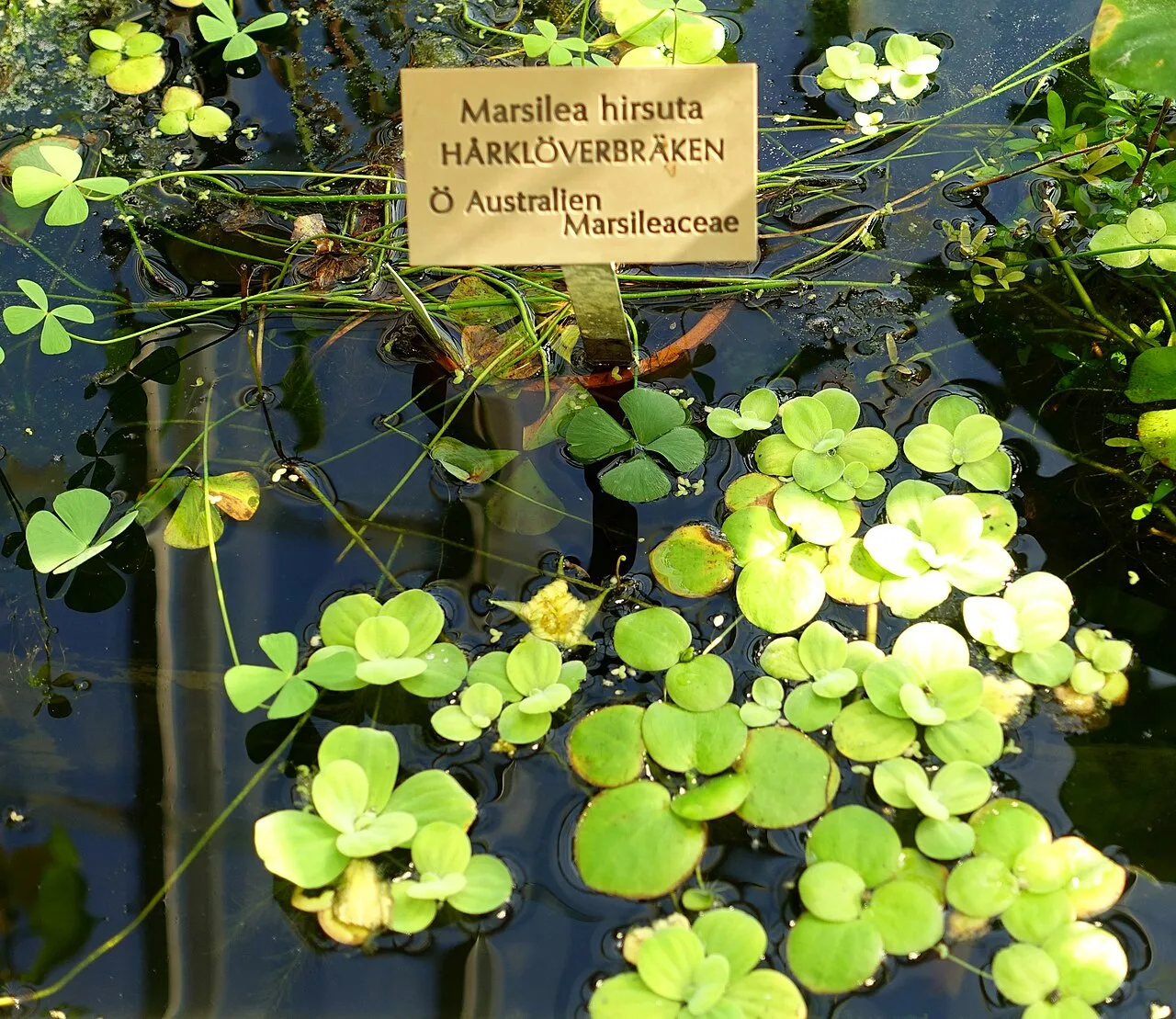
Marsilea hirsuta
A fern with clover-like leaves that makes long stalks in low light and a low carpet in a lot of light.
 Single source
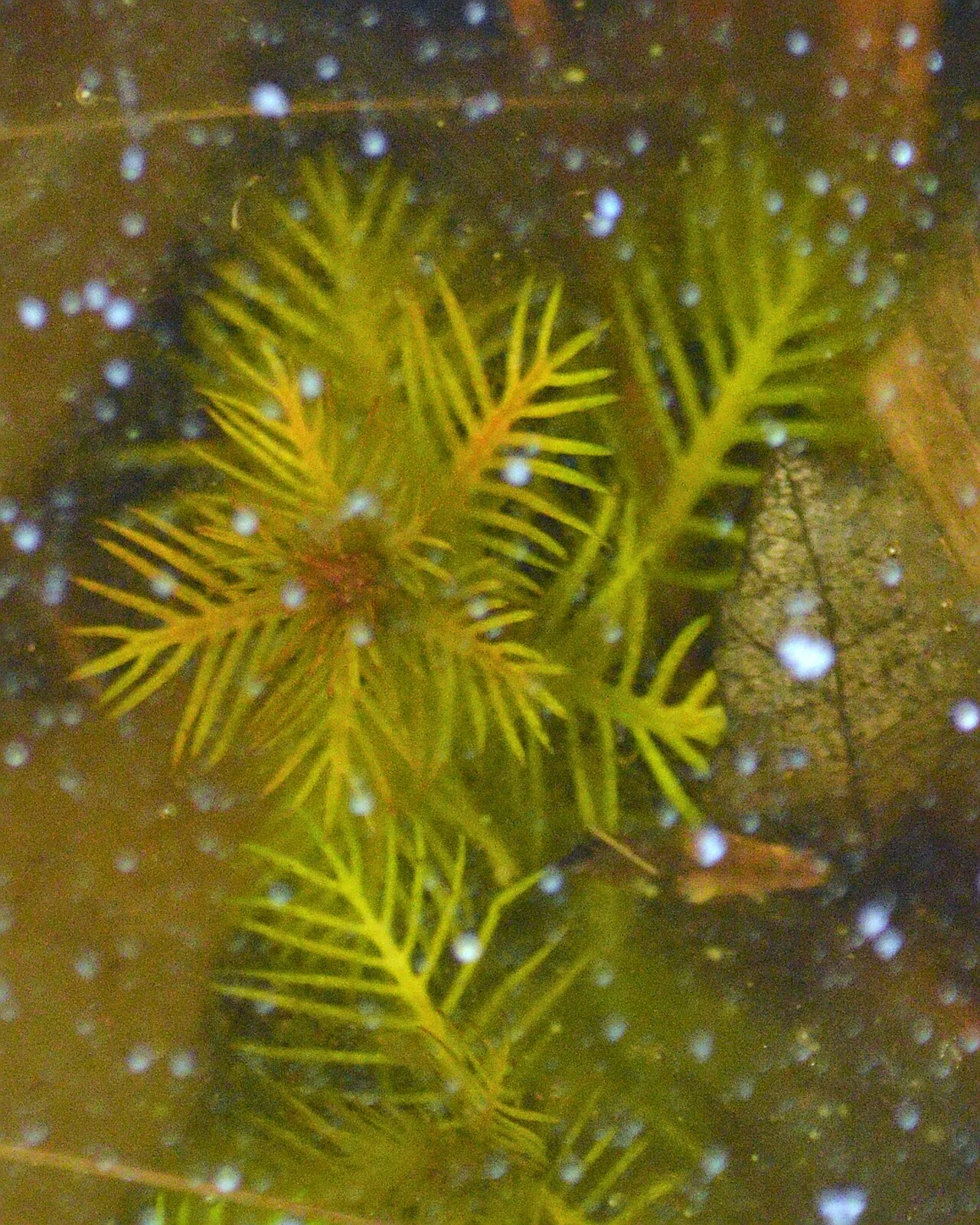
Proserpinaca palustris
A stem plant whose underwater leaves are slit like a comb. The form appears only after it is submerged, not on the emersed pot.
 Single source
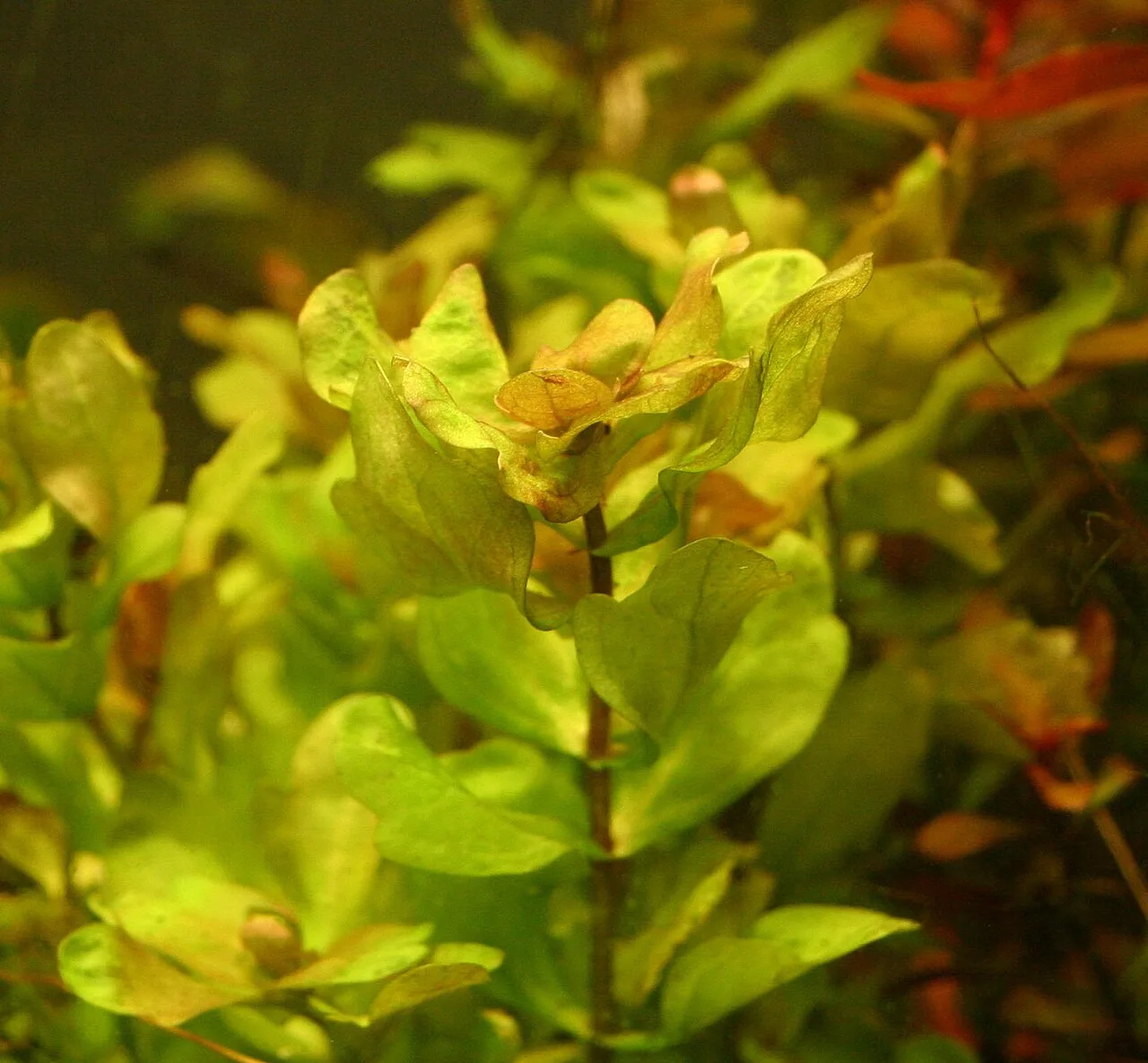
Shinnersia rivularis
A fast stem plant with oak-like lobed leaves. It fills the background and has to be cut.
 Single source
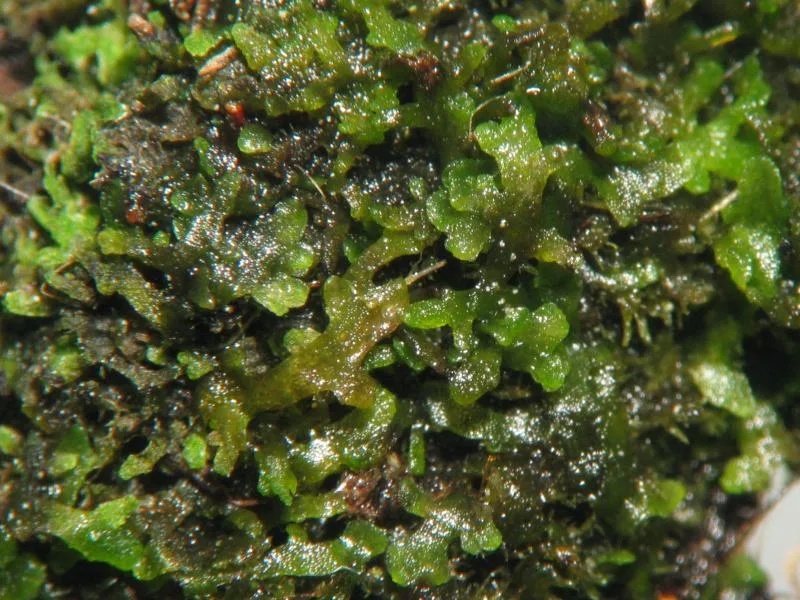
Riccardia chamedryfolia
A liverwort that grows flat and branched over wood and stone. It is tied on thinly and not planted in the gravel.
 Single source
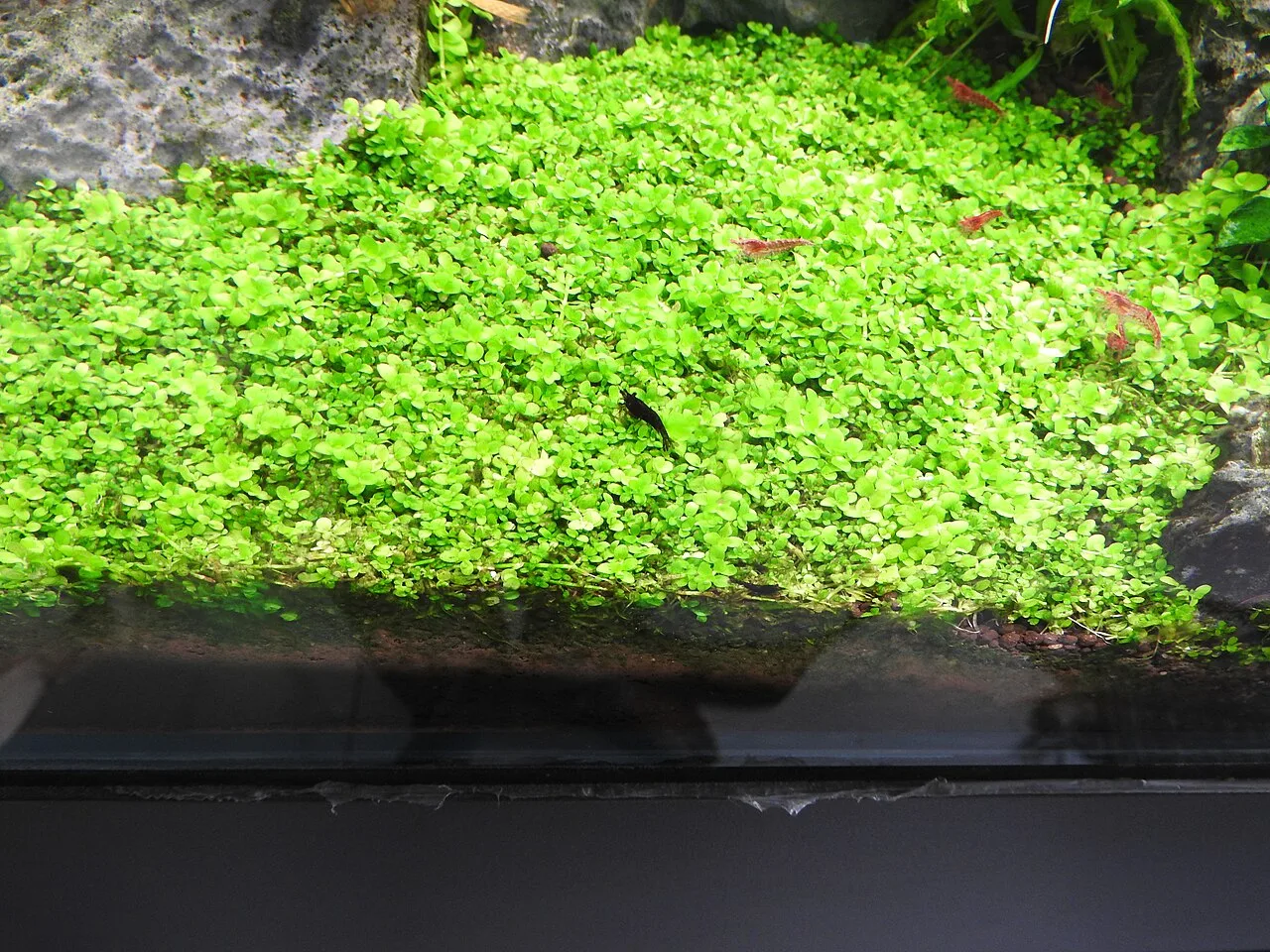
Micranthemum tweediei
A creeping ground cover from South America, sold as Monte Carlo. A lawn appears only from many small tufts, strong light and time.
 Single source
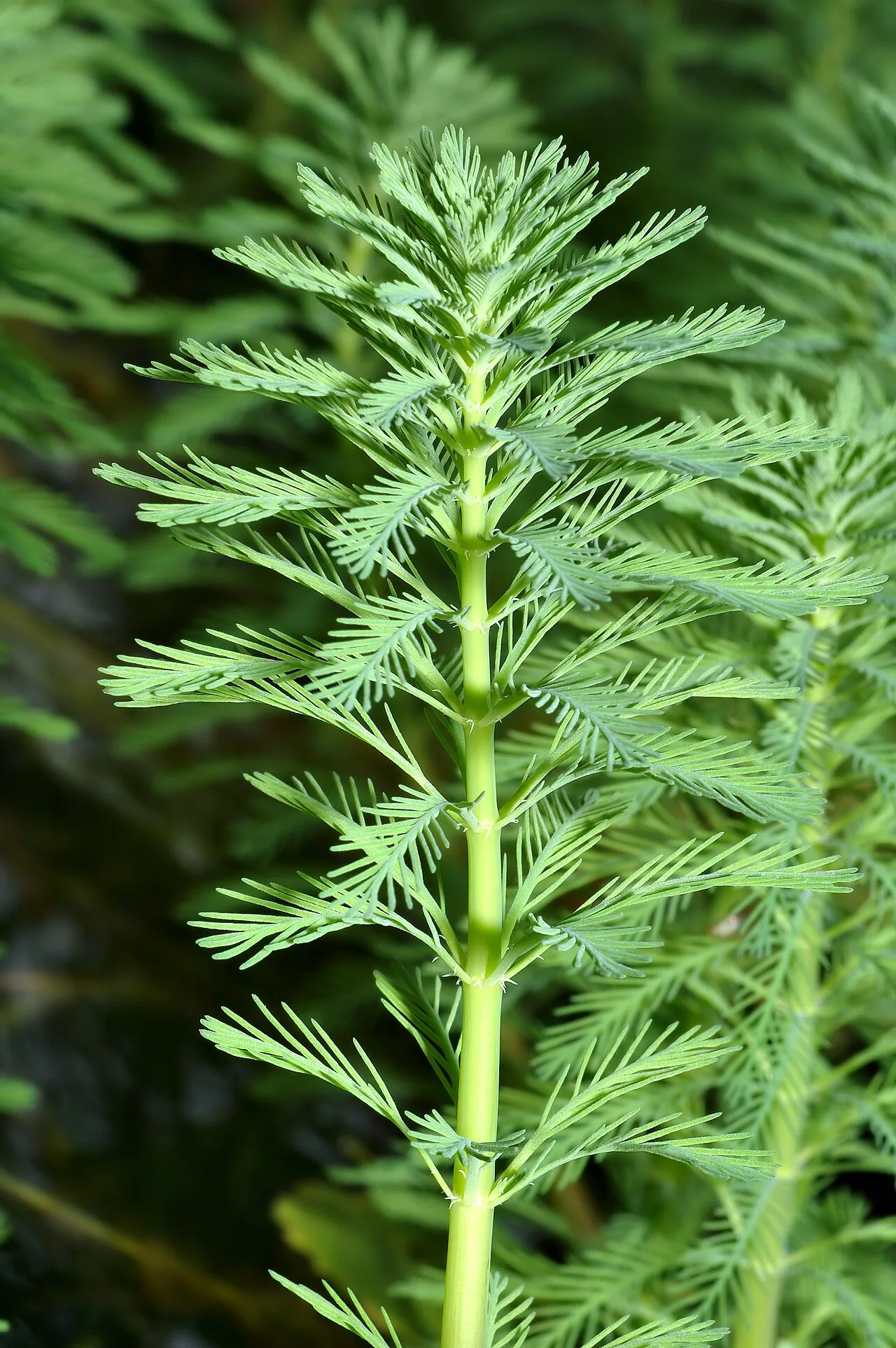
Myriophyllum aquaticum
A feathery milfoil that forms sturdy, blue-green shoots above water. It grows fast and must not be released.
 Single source
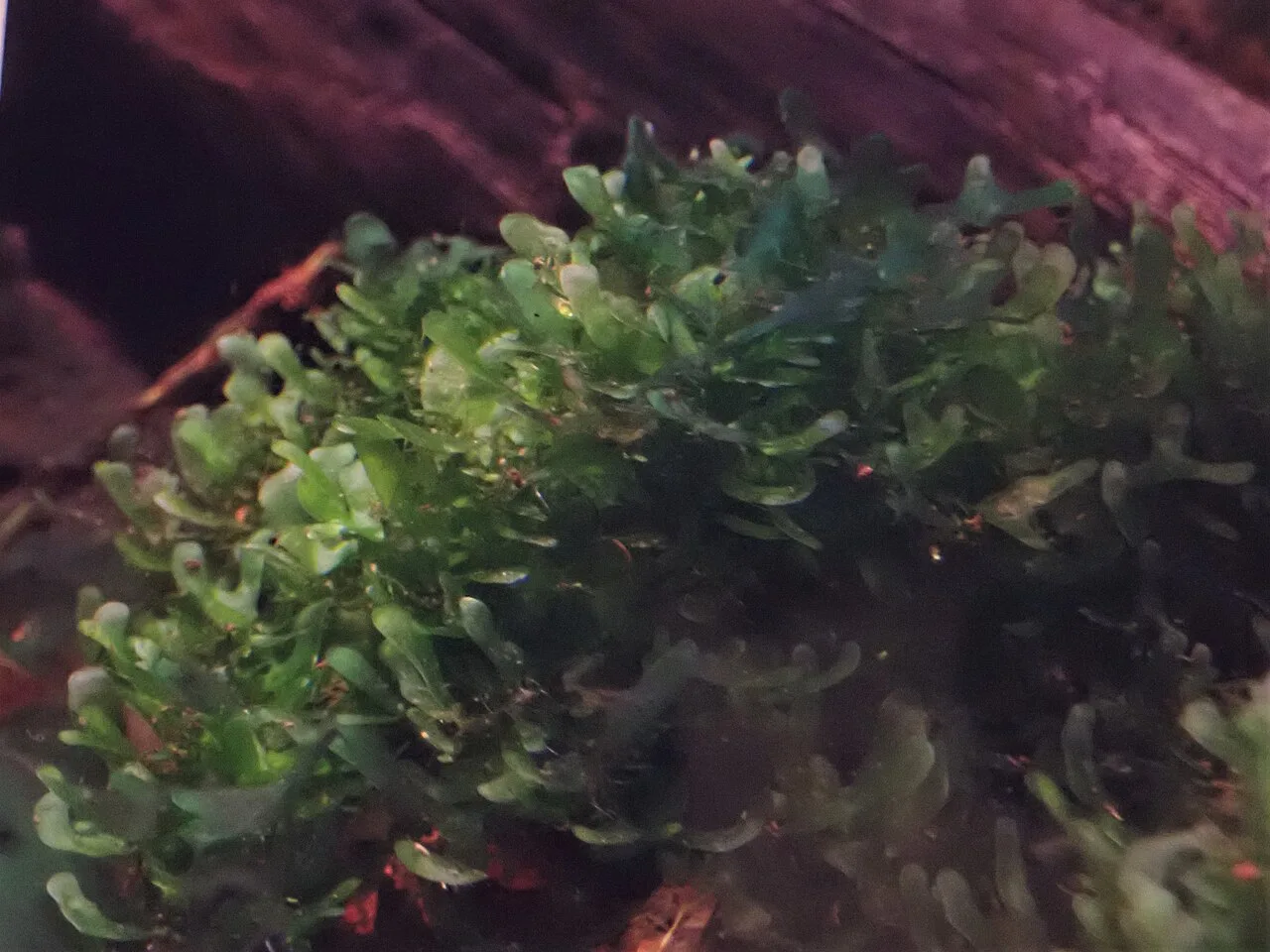
Monosolenium tenerum
A liverwort that grows in dark green cushions and, unlike Riccia, does not float by itself once it is tied on.