
Compatibility checker
Does your stock work together?
Put together your tank and stock and see straight away where water values, space, group size or predators clash and what you can do about it.
Result · Good
Workable with changes
No critical conflicts, but you should change a few things.
How the score is made up
Partial scores from 0 to 100. Unlike the checks, they also rate how close a value is to the limit, how full the tank is and how large the groups are. Capped because of critical points or points to change.
- Water values 95
- Groups 100
How to make it work
- Temperature
- 24–28 °C
- pH
- 6–7.5
- GH
- 2–12 °dH
- KH
- 1–6 °dH
- Volume
- from 80 l
Findings
-
Candy-striped pleco alone
At least 5 animals, 1 planned. Schooling fish in small groups are shy and stressed.
Increase to 5 animals.
Stocking
Enter a volume to see the upper limit. The stock needs about 40 l.
- Candy-striped pleco 1 × 40 l = 40 l
Space needed
At least 80 l, because of Candy-striped pleco.
Enter a volume to check the space.
- Candy-striped pleco 80 l
Water window
Each bar shows one species’ range. The light area is the range that suits all of them, the line is your tank.
Swimming zones
How the stock spreads across the water layers, weighted by space needed.
- Top free
- Middle free
- Bottom 100 % Candy-striped pleco
Shrimp
Whether shrimp suit this stock and which species fit.
Adults safe, young get eaten
Shrimp that fit
-
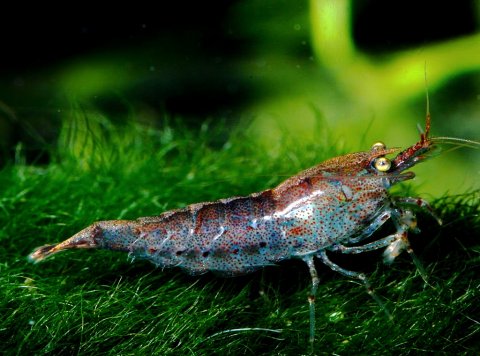 White pearl shrimp Neocaridina palmata 18–26 °C · pH 6.5–8 · GH 6–15 · KH 2–8 · 2.8 cm GH 6–15 · KH 2–8 · breeds in fresh water
-
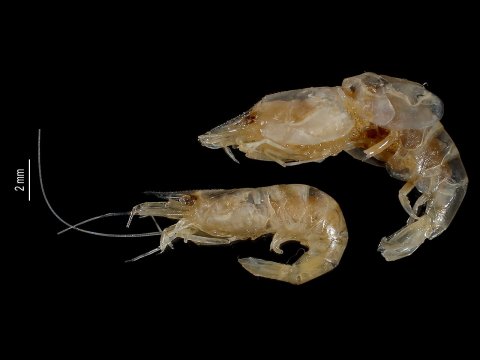 Ninja shrimp Caridina serratirostris 22–28 °C · pH 6.5–8 · GH 5–15 · KH 3–8 · 3.5 cm GH 5–15 · KH 3–8 · no young in fresh water
-
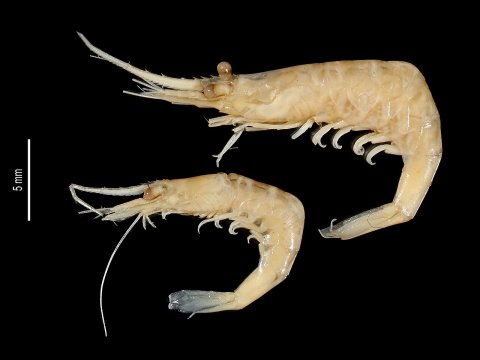 Red-nose shrimp Caridina gracilirostris 20–28 °C · pH 6.5–7.5 · GH 5–15 · KH 3–10 · 4 cm GH 5–15 · KH 3–10 · no young in fresh water
-
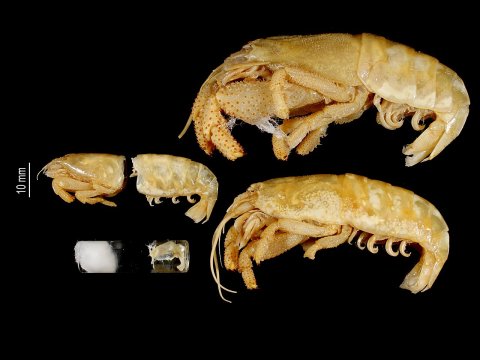 Rough fan shrimp Atya scabra 23–28 °C · pH 6.5–8 · GH 5–15 · KH 3–10 · 8.9 cm GH 5–15 · KH 3–10 · no young in fresh water
-
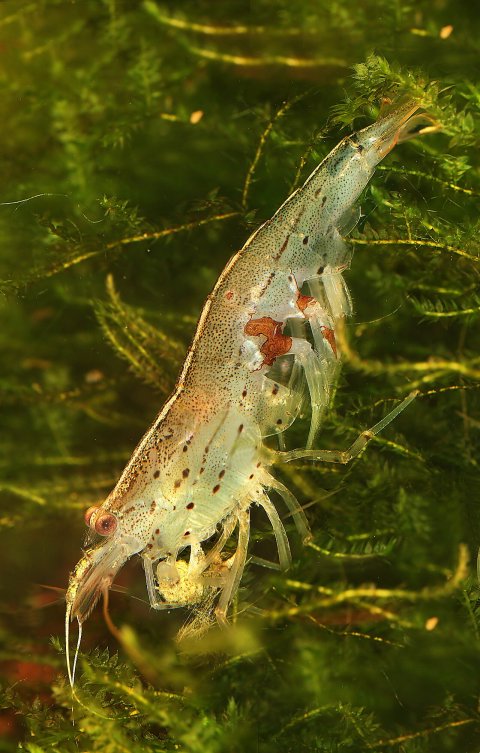 Amano shrimp Caridina multidentata 18–28 °C · pH 6.5–7.5 · GH 5–20 · KH 2–10 · 5 cm GH 5–20 · KH 2–10 · no young in fresh water
-
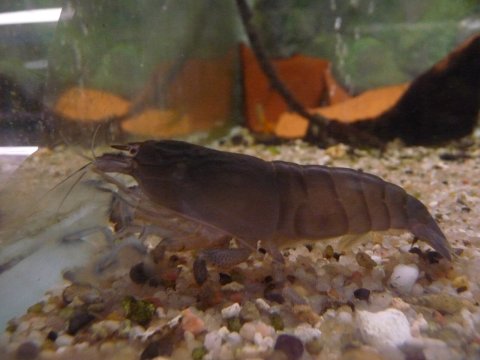 Vampire shrimp Atya gabonensis 23–29 °C · pH 6.5–7.8 · GH 6–15 · KH 3–10 · 14 cm GH 6–15 · KH 3–10 · no young in fresh water
Plants
No plants yet. These suit the water values, swimming zones and behaviour of your stock.
Epiphytes for wood and stone
Candy-striped pleco stays near wood. Epiphytes on roots give cover and biofilm.
-
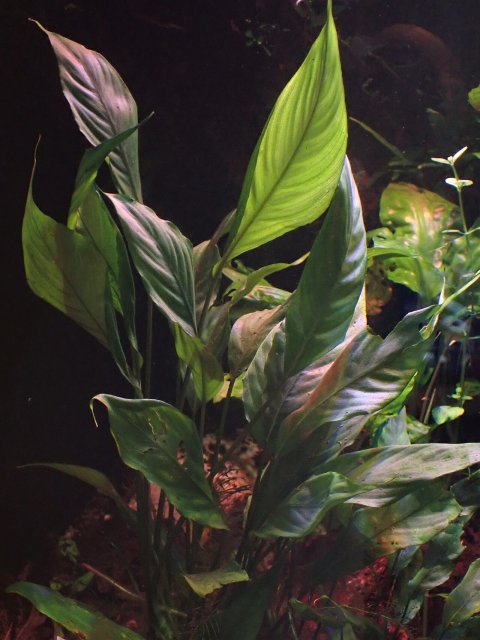 Bucephalandra motleyana Bucephalandra motleyana 22–28 °C · pH 5.5–7.5 · GH 2–12 · KH 1–6
-
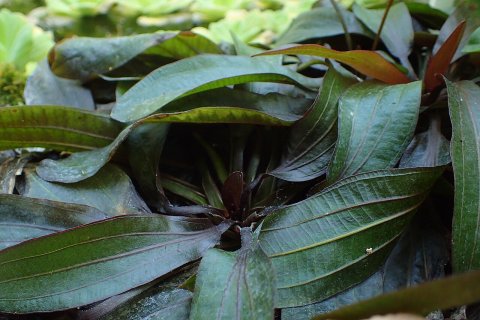 Anubias Anubias barteri 22–28 °C · pH 6–8 · GH 3–20 · KH 2–15
-
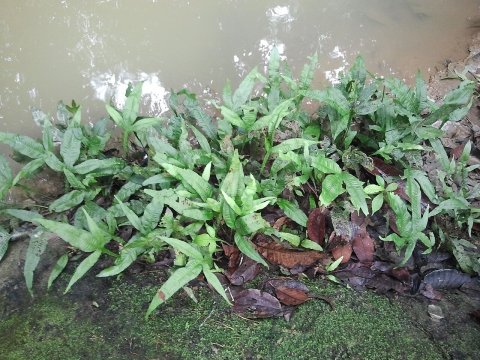 Java fern Microsorum pteropus 20–28 °C · pH 5.5–8 · GH 3–20 · KH 2–15
-
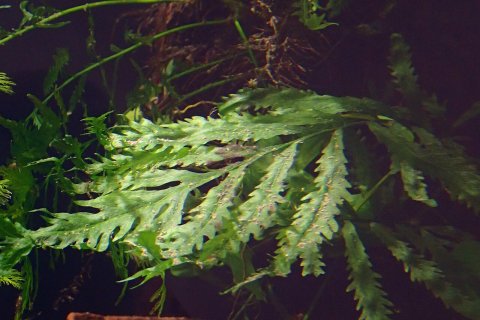 African water fern Bolbitis heudelotii 20–28 °C · pH 6–7.5 · GH 3–15 · KH 2–10
Background
Tall plants in the background give structure and retreats.
-
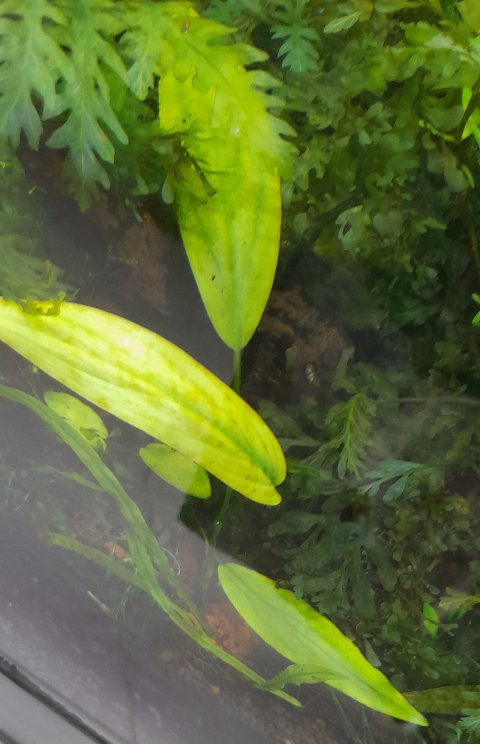 Lagenandra meeboldii Lagenandra meeboldii 22–28 °C · pH 5.5–7.5 · GH 2–12 · KH 1–6
-
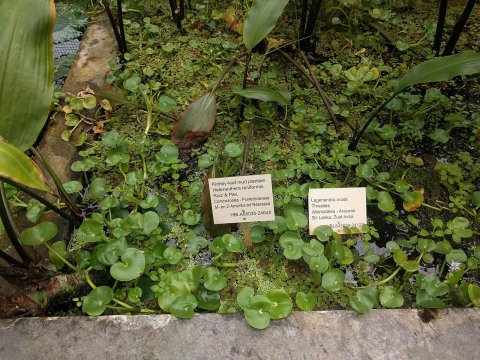 Lagenandra ovata Lagenandra ovata 22–28 °C · pH 6–7.5 · GH 3–15 · KH 2–10
-
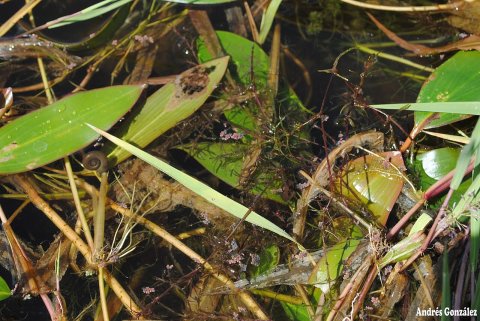 Southern waternymph Najas guadalupensis 18–28 °C · pH 6–8 · GH 3–20 · KH 2–15
-
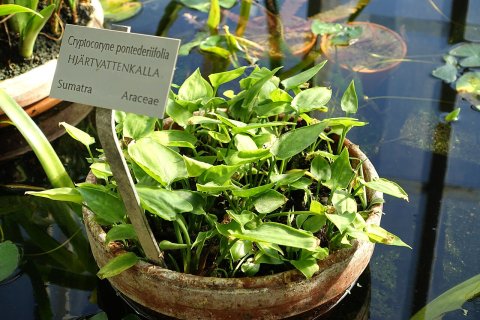 Cryptocoryne pontederiifolia Cryptocoryne pontederiifolia 22–28 °C · pH 6–7.5 · GH 3–15 · KH 2–10
Foreground
Low plants for the foreground.
-
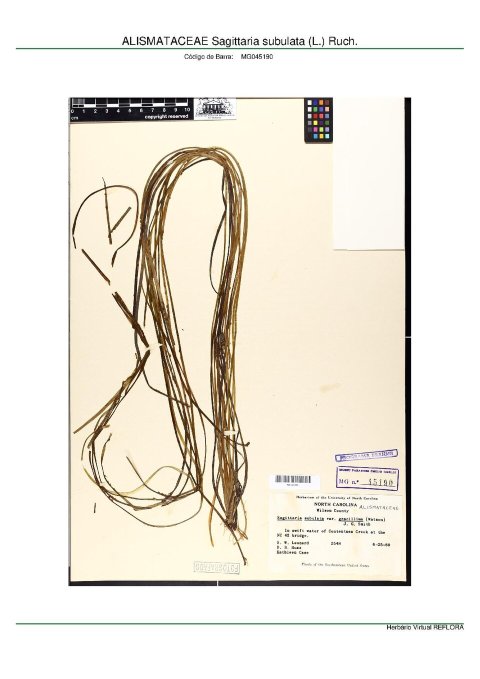 Dwarf sagittaria Sagittaria subulata 18–28 °C · pH 6–8 · GH 3–20 · KH 2–15
-
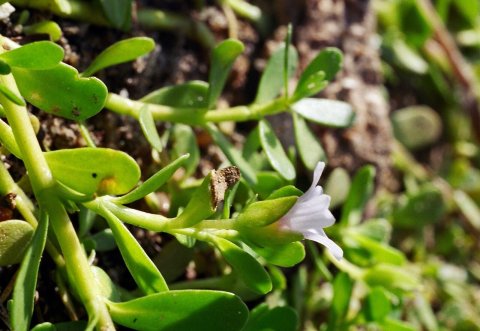 Water hyssop Bacopa monnieri 20–28 °C · pH 6–8 · GH 3–20 · KH 2–15
-
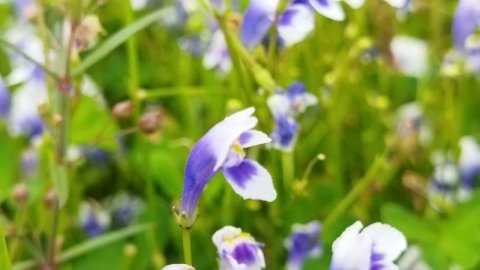 Roundleaf lindernia Lindernia rotundifolia 20–28 °C · pH 6–8 · GH 3–20 · KH 2–15
-
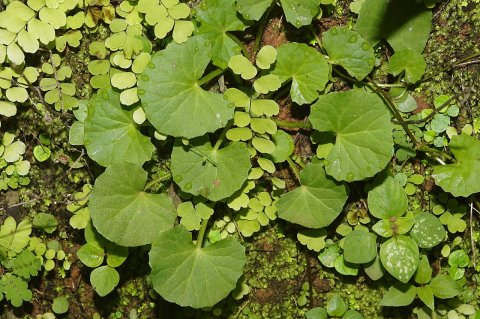 Lawn marshpennywort Hydrocotyle sibthorpioides 18–28 °C · pH 6–7.5 · GH 3–15 · KH 2–10
Goes well with it
Species whose water values, space needs and behaviour suit your tank and stock.
-
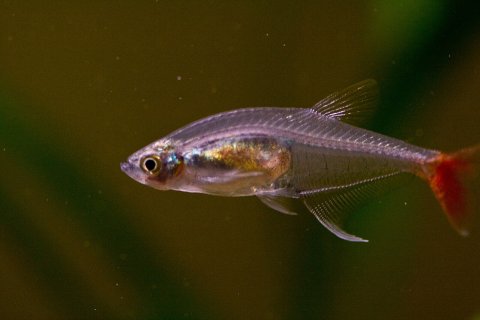 Glass bloodfin Prionobrama filigera 22–28 °C · pH 6–7.5 · GH 2–15 · KH 1–8 · 6 cm For the free zone: Top
-
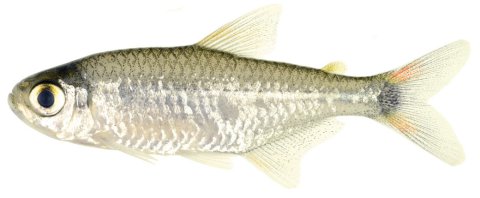 Gold tetra Hemigrammus rodwayi 24–28 °C · pH 5.5–7.5 · GH 2–12 · KH 1–6 · 5 cm For the free zone: Middle
-
 Bentosi tetra Hyphessobrycon bentosi 23–28 °C · pH 6–7.5 · GH 3–12 · KH 1–6 · 5 cm For the free zone: Middle
-
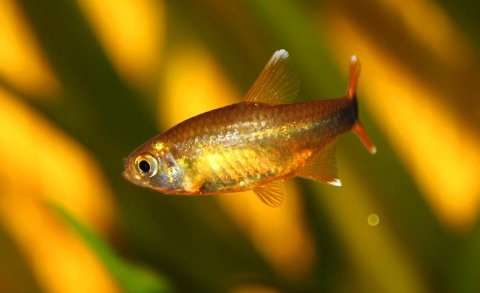 Silvertip tetra Hasemania nana 22–28 °C · pH 6–8 · GH 3–15 · KH 2–8 · 5 cm For the free zone: Middle
-
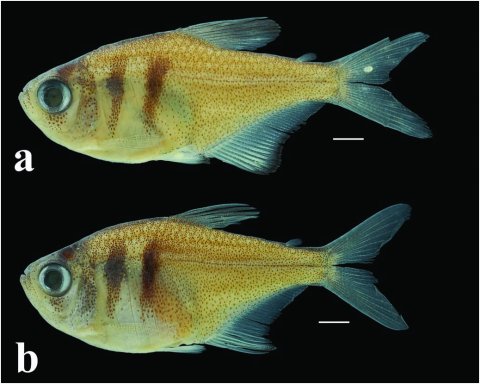 Flame tetra Hyphessobrycon flammeus 22–30 °C · pH 5.8–7.8 · GH 5–14 · KH 1–8 · 4 cm For the free zone: Middle
-
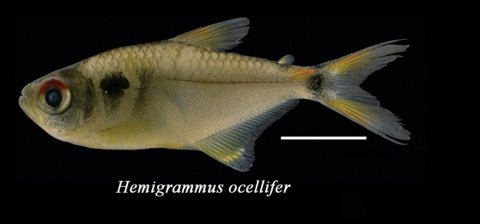 Head-and-tail-light tetra Hemigrammus ocellifer 22–28 °C · pH 6–7.5 · GH 5–18 · KH 1–8 · 5 cm For the free zone: Middle
-
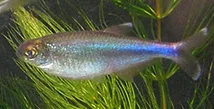 Blue tetra Boehlkea fredcochui 23–28 °C · pH 6–7.5 · GH 5–12 · KH 1–6 · 5 cm For the free zone: Middle
-
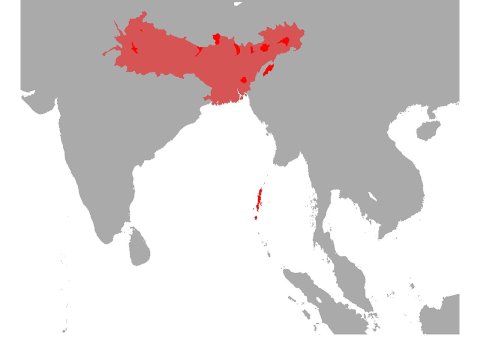 Honey gourami Trichogaster chuna 24–28 °C · pH 6–7.5 · GH 4–15 · KH 2–8 · 5 cm For the free zone: Top
-
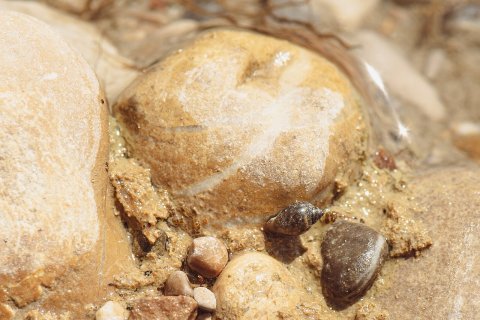 Acute bladder snail Physella acuta 10–28 °C · pH 6.5–8.5 · GH 5–20 · KH 3–15 · 1.2 cm
-
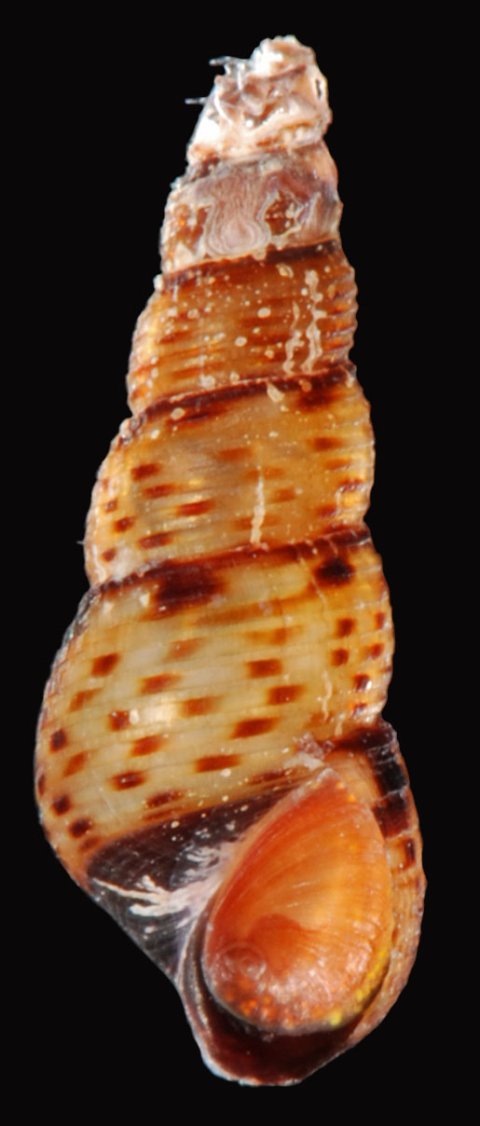 Malaysian trumpet snail Melanoides tuberculata 18–32 °C · pH 6.5–8.5 · GH 6–20 · KH 3–15 · 3 cm
All checks 3/4
3 of 4 passed. Notes count as passed but still affect the score.
- Passed Tank water type Water type (freshwater) suits all species.
- Change Group size At least one group is too small.
- Passed Solitary species, pairs, territories Limits for solitary species, pairs and territories are kept.
- Passed Care level All species are considered beginner-friendly or manageable.
Data: values from one source each, a good guide but no guarantee.
Based on the approved care values of the encyclopedia and the active rulebook. Individual animals can differ. Missing data leads to a note, not a rating.