
Compatibility checker
Does your stock work together?
Put together your tank and stock and see straight away where water values, space, group size or predators clash and what you can do about it.
Result · Excellent
Fine so far
No conflicts found. Add volume, temperature, pH, GH, KH so the tank itself is checked too.
How the score is made up
Partial scores from 0 to 100. Unlike the checks, they also rate how close a value is to the limit, how full the tank is and how large the groups are.
- Water values 95
- Groups 100
Stocking
Enter a volume to see the upper limit. The stock needs about 23 l.
- Blue mbuna 1 × 23 l = 23 l
Space needed
At least 300 l, because of Blue mbuna.
Enter a volume to check the space.
- Blue mbuna 300 l
Water window
Each bar shows one species’ range. The light area is the range that suits all of them, the line is your tank.
Swimming zones
How the stock spreads across the water layers, weighted by space needed.
- Top free
- Middle free
- Bottom 100 % Blue mbuna
Shrimp
Whether shrimp suit this stock and which species fit.
Shrimp are not advisable here
Plants
No plants yet. These suit the water values, swimming zones and behaviour of your stock.
Epiphytes for wood and stone
Because of Blue mbuna: epiphytes cope with grazing and digging and grow on wood.
-
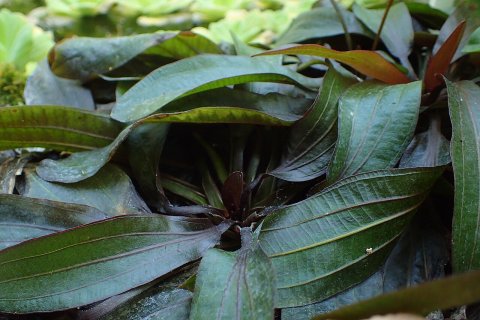 Anubias Anubias barteri 22–28 °C · pH 6–8 · GH 3–20 · KH 2–15
-
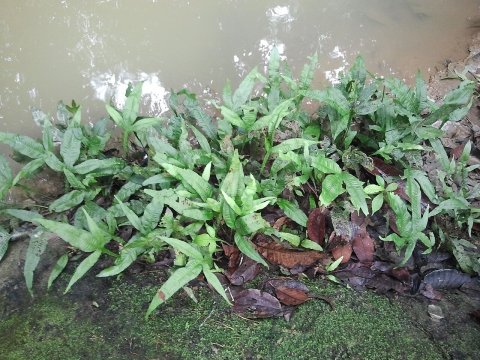 Java fern Microsorum pteropus 20–28 °C · pH 5.5–8 · GH 3–20 · KH 2–15
-
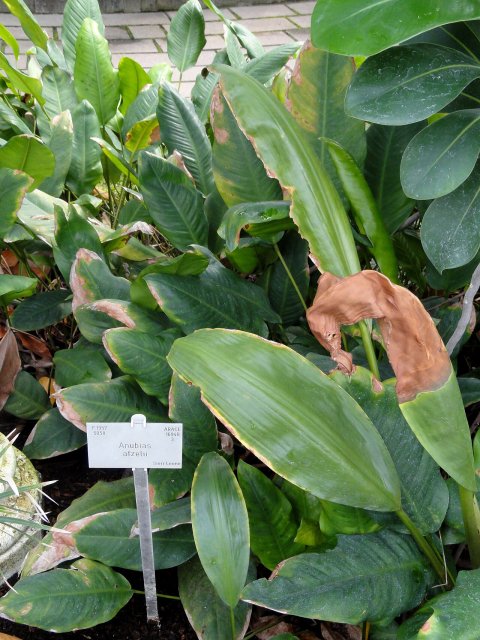 Anubias afzelii Anubias afzelii 22–28 °C · pH 6–8 · GH 3–20 · KH 2–15
-
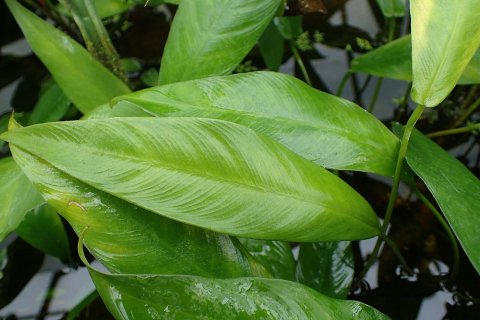 Anubias gracilis Anubias gracilis 22–28 °C · pH 6–8 · GH 3–20 · KH 2–15
Goes well with it
Species whose water values, space needs and behaviour suit your tank and stock.
-
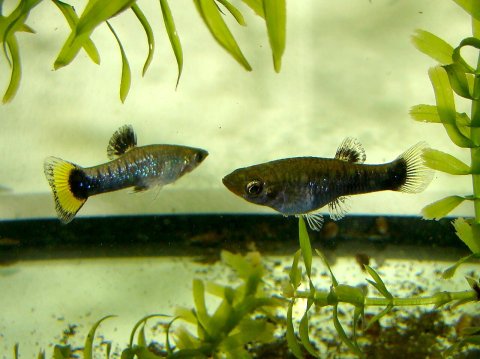 Blackbelly limia Limia melanogaster 22–28 °C · pH 7–8.5 · GH 10–20 · KH 6–14 · 6 cm For the free zone: Top
-
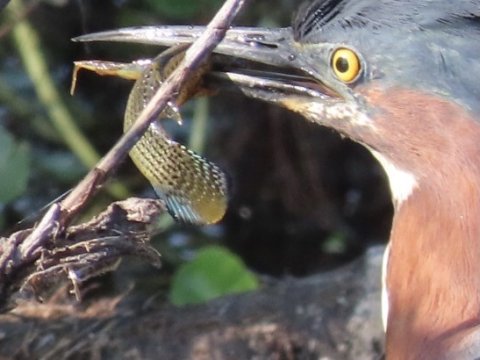 Sailfin molly Poecilia latipinna 22–28 °C · pH 7.5–8.5 · GH 15–30 · KH 10–20 · 12 cm For the free zone: Top
-
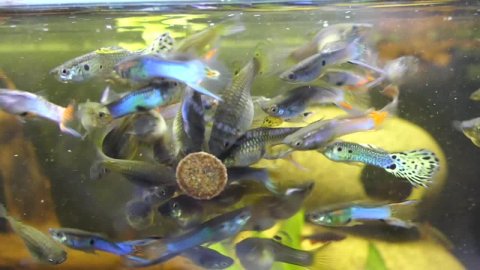
-
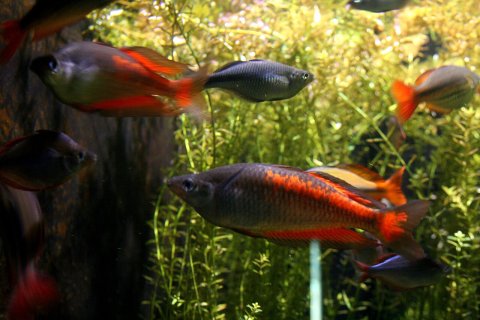 Parkinson's rainbowfish Melanotaenia parkinsoni 24–30 °C · pH 7–8 · GH 8–20 · KH 5–12 · 11 cm For the free zone: Top
-
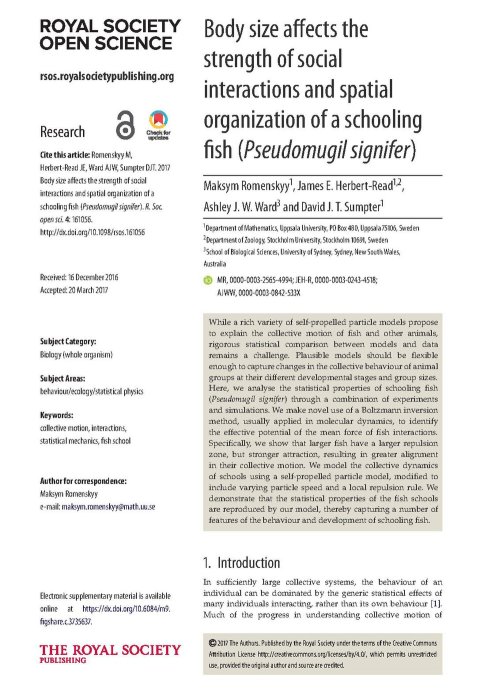 Pacific blue-eye Pseudomugil signifer 20–28 °C · pH 7–8 · GH 8–20 · KH 5–12 · 5 cm For the free zone: Top
-
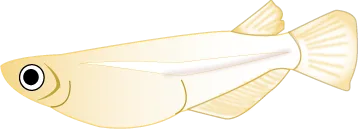 Japanese ricefish Oryzias latipes 15–28 °C · pH 7–8 · GH 9–19 · KH 5–12 · 4 cm For the free zone: Top
-
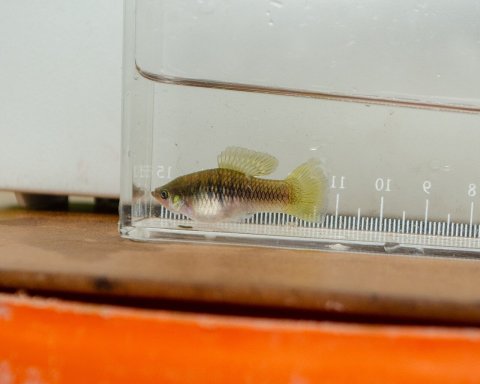 Variable platyfish Xiphophorus variatus 20–26 °C · pH 7–8.2 · GH 9–19 · KH 5–12 · 7 cm For the free zone: Top
-
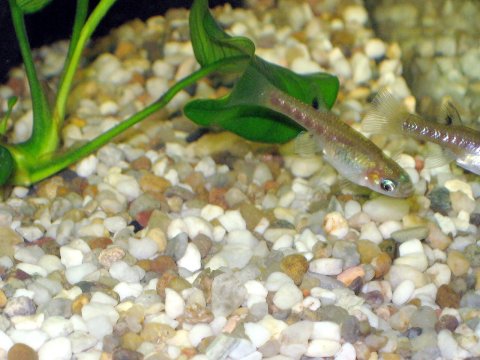 Metallic livebearer Girardinus metallicus 22–26 °C · pH 7–8 · GH 10–20 · KH 5–12 · 7 cm For the free zone: Top
-
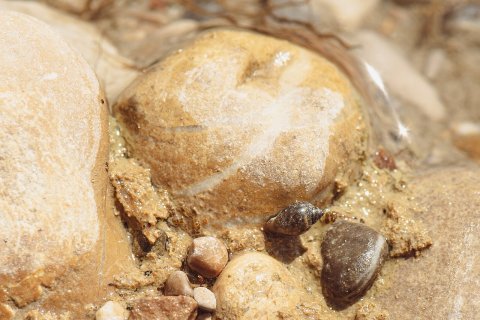 Acute bladder snail Physella acuta 10–28 °C · pH 6.5–8.5 · GH 5–20 · KH 3–15 · 1.2 cm
-
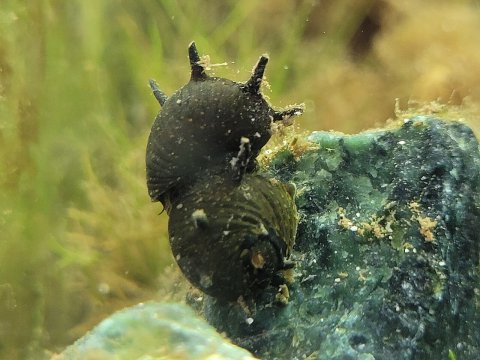 Crown nerite Clithon corona 22–28 °C · pH 7–8.5 · GH 8–18 · KH 5–15 · 2 cm
-
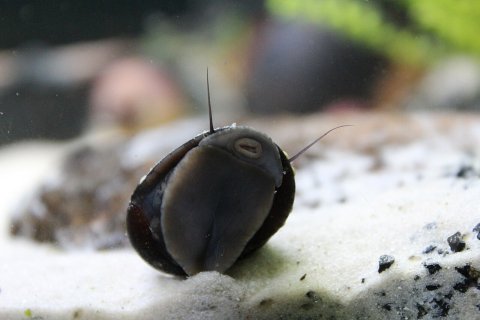 Black helmet nerite Neritina pulligera 18–30 °C · pH 7–8.5 · GH 8–18 · KH 5–12 · 4 cm
-
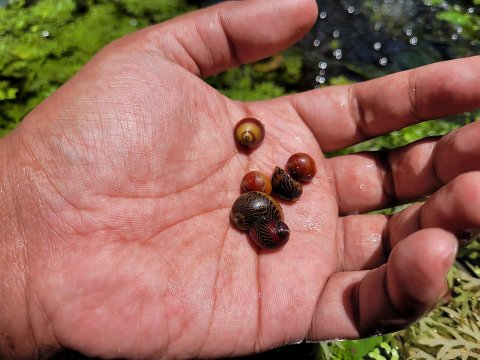 Red racer nerite Vittina waigiensis 22–28 °C · pH 7–8.5 · GH 8–18 · KH 5–12 · 3 cm
-
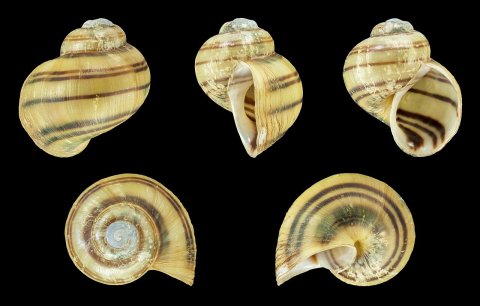 Zebra apple snail Asolene spixii 20–28 °C · pH 7–8 · GH 8–18 · KH 4–12 · 2.5 cm
-
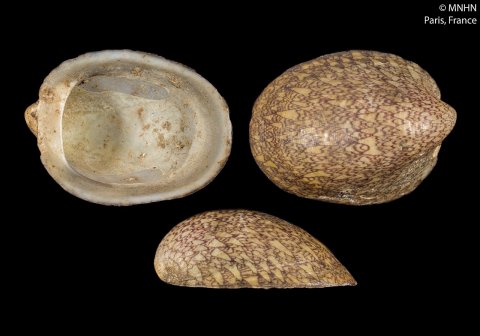 Porcelain nerite Septaria porcellana 22–28 °C · pH 7–8.5 · GH 8–18 · KH 5–12 · 1.3 cm
-
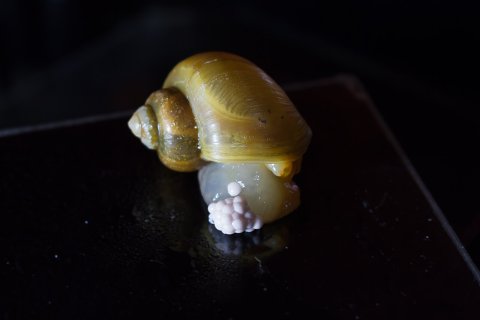 Spike-topped apple snail Pomacea diffusa 20–28 °C · pH 7–8 · GH 8–18 · KH 4–12 · 5 cm
-
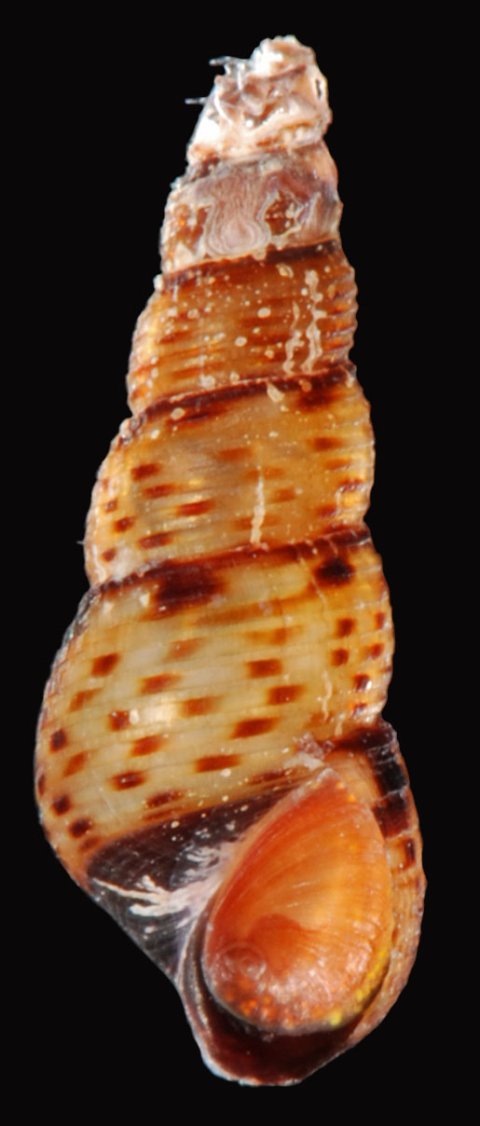 Malaysian trumpet snail Melanoides tuberculata 18–32 °C · pH 6.5–8.5 · GH 6–20 · KH 3–15 · 3 cm
All checks 4/4
4 of 4 passed. Notes count as passed but still affect the score.
- Passed Tank water type Water type (freshwater) suits all species.
- Passed Solitary species, pairs, territories Limits for solitary species, pairs and territories are kept.
- Passed Territories between species Only one territorial species, no fights between species expected.
- Passed Care level All species are considered beginner-friendly or manageable.
Data: values from one source each, a good guide but no guarantee.
Based on the approved care values of the encyclopedia and the active rulebook. Individual animals can differ. Missing data leads to a note, not a rating.