
Compatibility checker
Does your stock work together?
Put together your tank and stock and see straight away where water values, space, group size or predators clash and what you can do about it.
Result · Excellent
Fine so far
No conflicts found. Add volume, temperature, pH, GH, KH so the tank itself is checked too.
How the score is made up
Partial scores from 0 to 100. Unlike the checks, they also rate how close a value is to the limit, how full the tank is and how large the groups are.
- Water values 95
- Groups 100
Stocking
Enter a volume to see the upper limit. The stock needs about 1 l.
- Black helmet nerite 1 × 1.1 l = 1 l
Space needed
At least 40 l, because of Black helmet nerite.
Enter a volume to check the space.
- Black helmet nerite 40 l
Water window
Each bar shows one species’ range. The light area is the range that suits all of them, the line is your tank.
Swimming zones
How the stock spreads across the water layers, weighted by space needed.
- Top free
- Middle free
- Bottom 100 % Black helmet nerite
Shrimp
Whether shrimp suit this stock and which species fit.
Shrimp fit well
Shrimp that fit
-
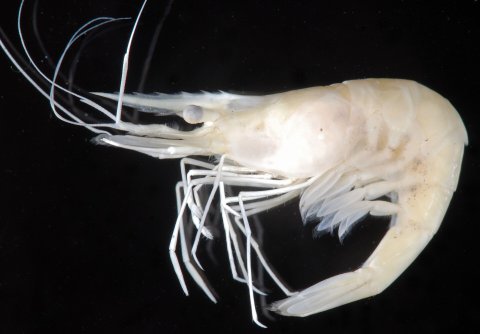 Ghost shrimp Palaemon paludosus 18–28 °C · pH 7–8 · GH 5–15 · KH 4–12 · 2.5 cm GH 5–15 · KH 4–12 · no young in fresh water
-
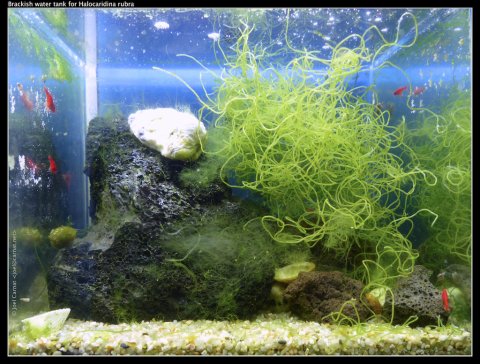 Hawaiian red shrimp Halocaridina rubra 20–28 °C · pH 7.5–8.5 · GH 10–25 · KH 8–15 · 1.5 cm GH 10–25 · KH 8–15 · breeds in fresh water
-
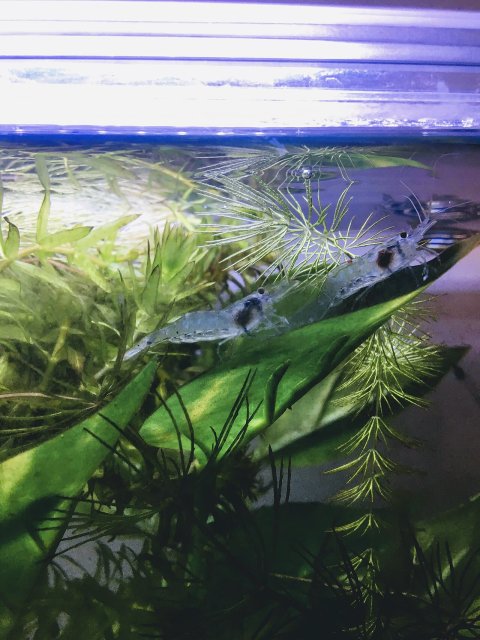 Brackish glass shrimp Palaemon varians 10–25 °C · pH 7.5–8.5 · GH 10–25 · KH 8–15 · 5 cm GH 10–25 · KH 8–15 · no young in fresh water
-
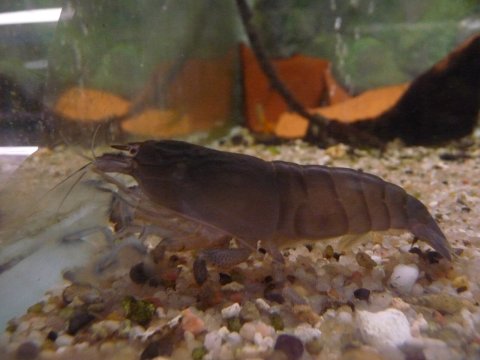 Vampire shrimp Atya gabonensis 23–29 °C · pH 6.5–7.8 · GH 6–15 · KH 3–10 · 14 cm GH 6–15 · KH 3–10 · no young in fresh water
Plants
No plants yet. These suit the water values, swimming zones and behaviour of your stock.
Epiphytes for wood and stone
Black helmet nerite stays near wood. Epiphytes on roots give cover and biofilm.
-
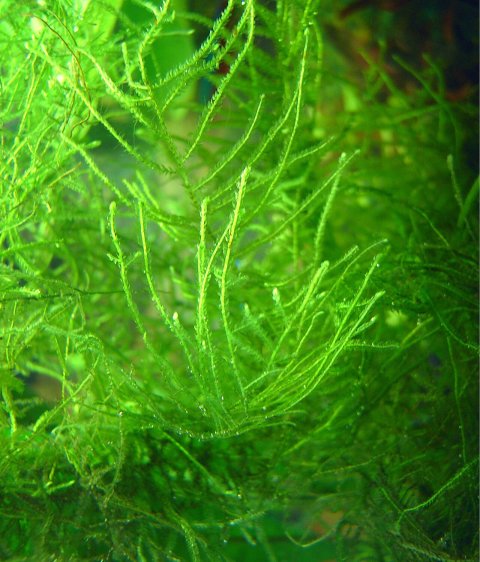 Java moss Taxiphyllum barbieri 18–28 °C · pH 6–8 · GH 3–20 · KH 2–15
-
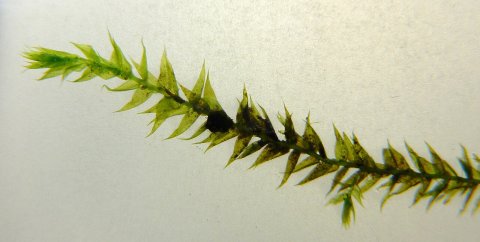 Stringy moss Leptodictyum riparium 10–28 °C · pH 6–8 · GH 3–20 · KH 2–15
-
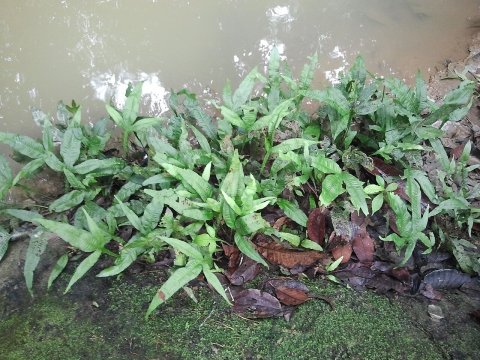 Java fern Microsorum pteropus 20–28 °C · pH 5.5–8 · GH 3–20 · KH 2–15
-
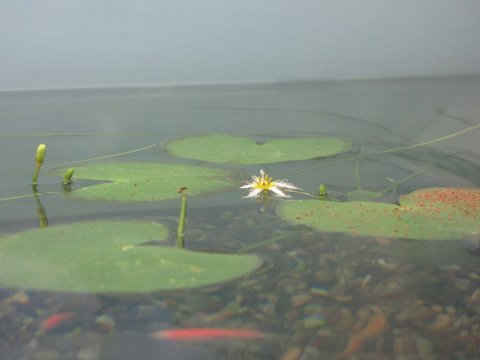 Singapore moss Vesicularia dubyana 20–28 °C · pH 6–8 · GH 3–20 · KH 2–15
Background
Tall plants in the background give structure and retreats.
-
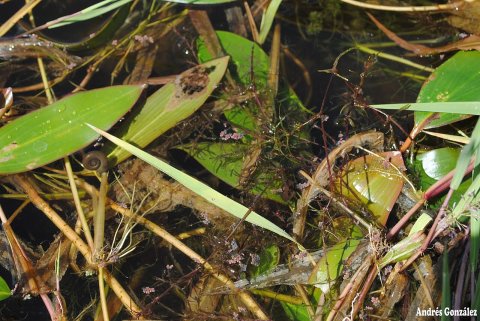 Southern waternymph Najas guadalupensis 18–28 °C · pH 6–8 · GH 3–20 · KH 2–15
-
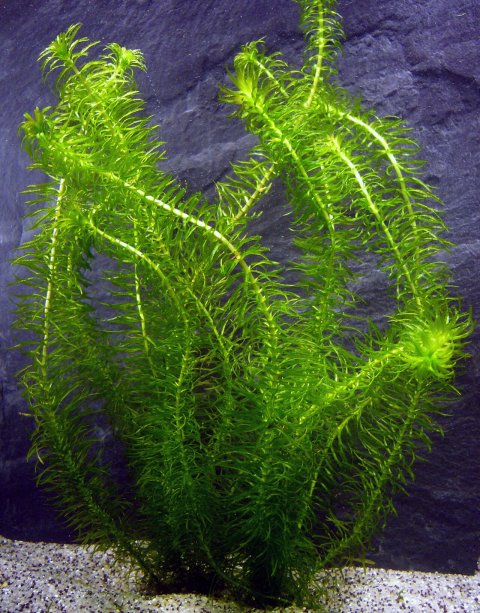 Egeria najas Egeria najas 18–28 °C · pH 6.5–8.5 · GH 5–20 · KH 3–15
-
 Hydrilla Hydrilla verticillata 12–28 °C · pH 6.5–8.5 · GH 5–20 · KH 3–15
-
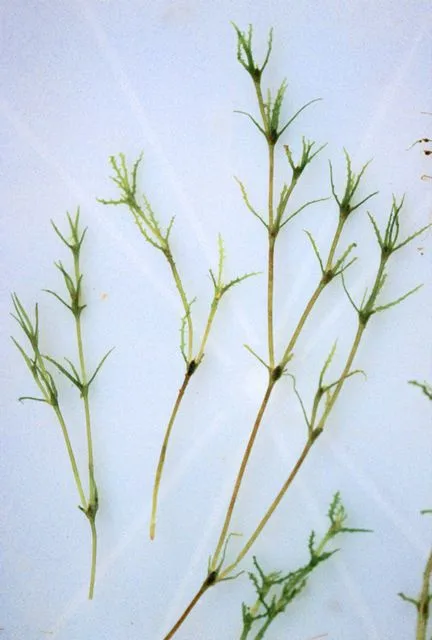 Spiny naiad Najas marina 12–28 °C · pH 6.5–8.5 · GH 5–20 · KH 3–15
Foreground
Low plants for the foreground.
-
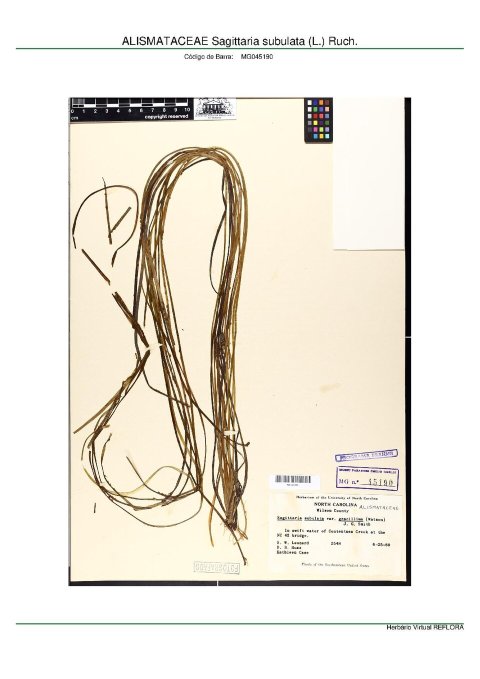 Dwarf sagittaria Sagittaria subulata 18–28 °C · pH 6–8 · GH 3–20 · KH 2–15
-
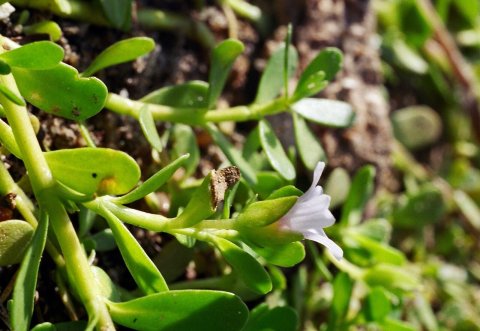 Water hyssop Bacopa monnieri 20–28 °C · pH 6–8 · GH 3–20 · KH 2–15
-
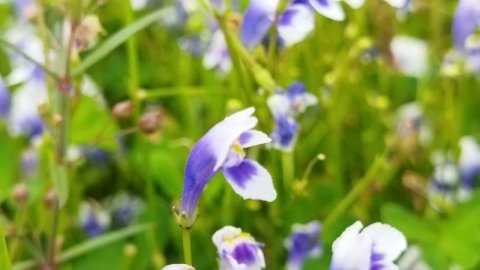 Roundleaf lindernia Lindernia rotundifolia 20–28 °C · pH 6–8 · GH 3–20 · KH 2–15
-
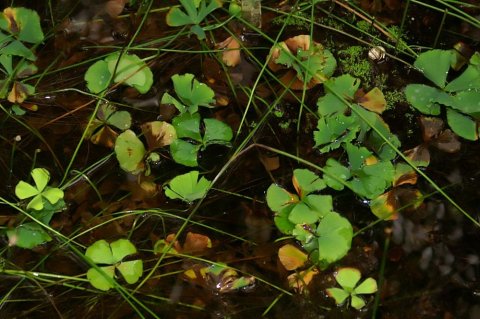 European waterclover Marsilea quadrifolia 15–26 °C · pH 6–8 · GH 3–20 · KH 2–15
Goes well with it
Species whose water values, space needs and behaviour suit your tank and stock.
-
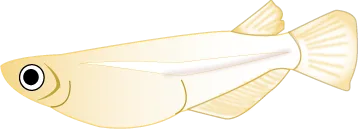 Japanese ricefish Oryzias latipes 15–28 °C · pH 7–8 · GH 9–19 · KH 5–12 · 4 cm For the free zone: Top
-
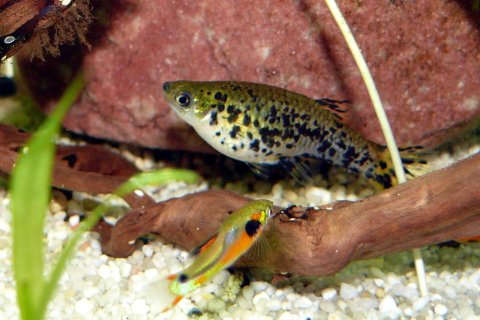 One-spot livebearer Phalloceros caudimaculatus 18–26 °C · pH 6.5–8 · GH 8–20 · KH 5–12 · 5 cm For the free zone: Top
-
 Pacific blue-eye Pseudomugil signifer 20–28 °C · pH 7–8 · GH 8–20 · KH 5–12 · 5 cm For the free zone: Top
-
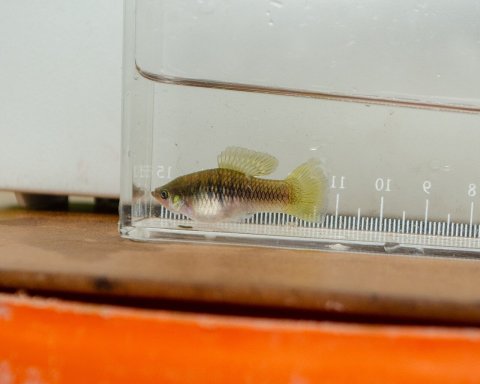 Variable platyfish Xiphophorus variatus 20–26 °C · pH 7–8.2 · GH 9–19 · KH 5–12 · 7 cm For the free zone: Top
-
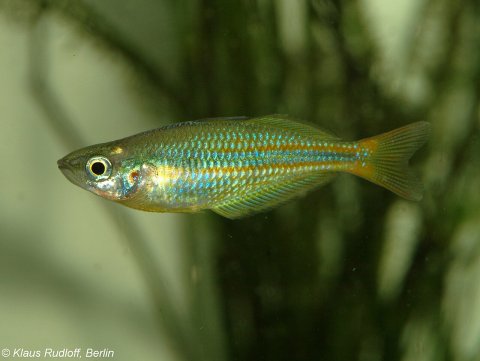 Lake Tebera rainbowfish Melanotaenia herbertaxelrodi 20–26 °C · pH 7–8 · GH 8–20 · KH 5–12 · 12 cm For the free zone: Top
-
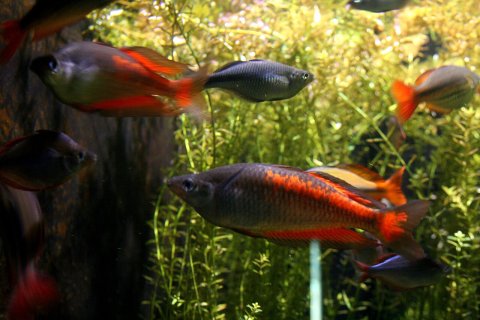 Parkinson's rainbowfish Melanotaenia parkinsoni 24–30 °C · pH 7–8 · GH 8–20 · KH 5–12 · 11 cm For the free zone: Top
-
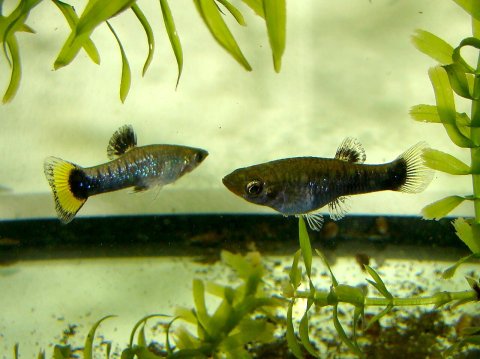 Blackbelly limia Limia melanogaster 22–28 °C · pH 7–8.5 · GH 10–20 · KH 6–14 · 6 cm For the free zone: Top
-
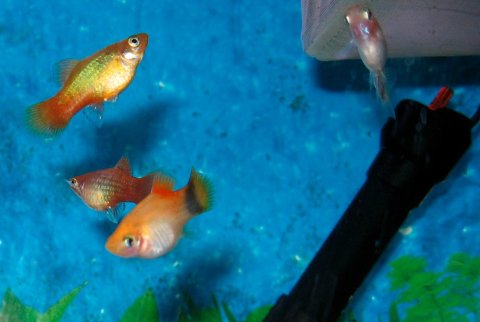 Southern platyfish Xiphophorus maculatus 18–25 °C · pH 7–8 · GH 9–19 · KH 5–12 · 6 cm For the free zone: Top
-
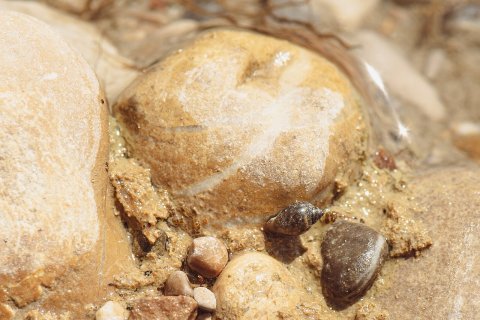 Acute bladder snail Physella acuta 10–28 °C · pH 6.5–8.5 · GH 5–20 · KH 3–15 · 1.2 cm
-
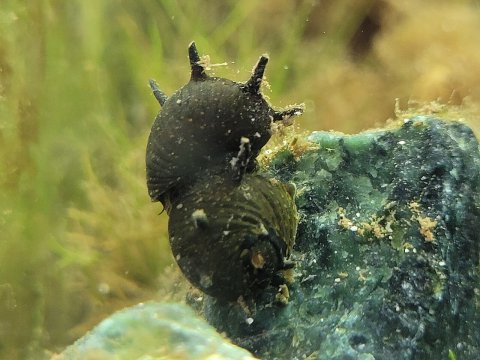 Crown nerite Clithon corona 22–28 °C · pH 7–8.5 · GH 8–18 · KH 5–15 · 2 cm
-
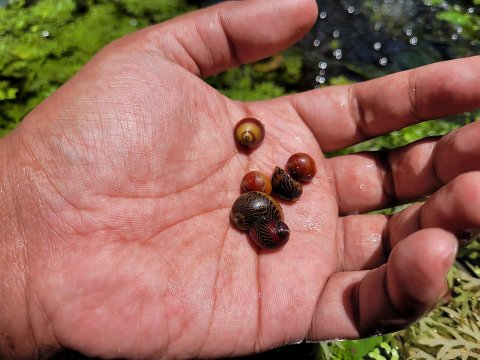 Red racer nerite Vittina waigiensis 22–28 °C · pH 7–8.5 · GH 8–18 · KH 5–12 · 3 cm
-
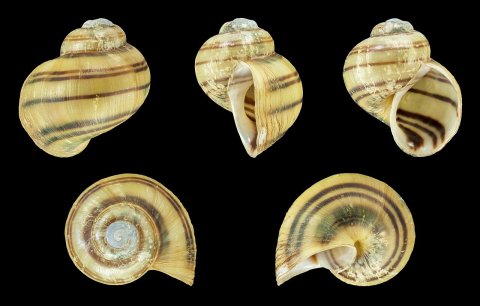 Zebra apple snail Asolene spixii 20–28 °C · pH 7–8 · GH 8–18 · KH 4–12 · 2.5 cm
-
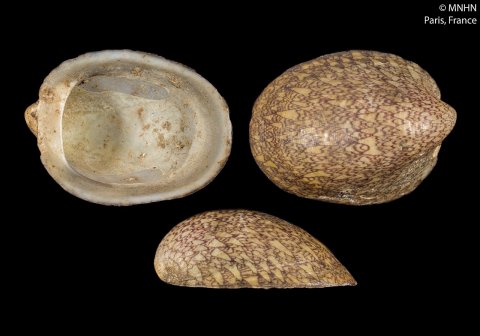 Porcelain nerite Septaria porcellana 22–28 °C · pH 7–8.5 · GH 8–18 · KH 5–12 · 1.3 cm
-
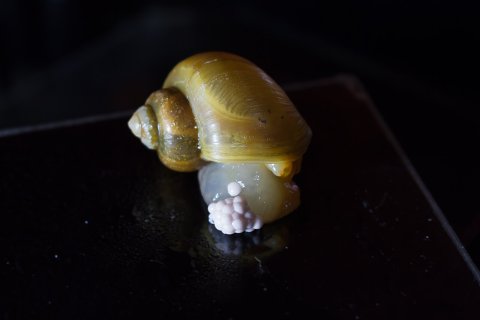 Spike-topped apple snail Pomacea diffusa 20–28 °C · pH 7–8 · GH 8–18 · KH 4–12 · 5 cm
-
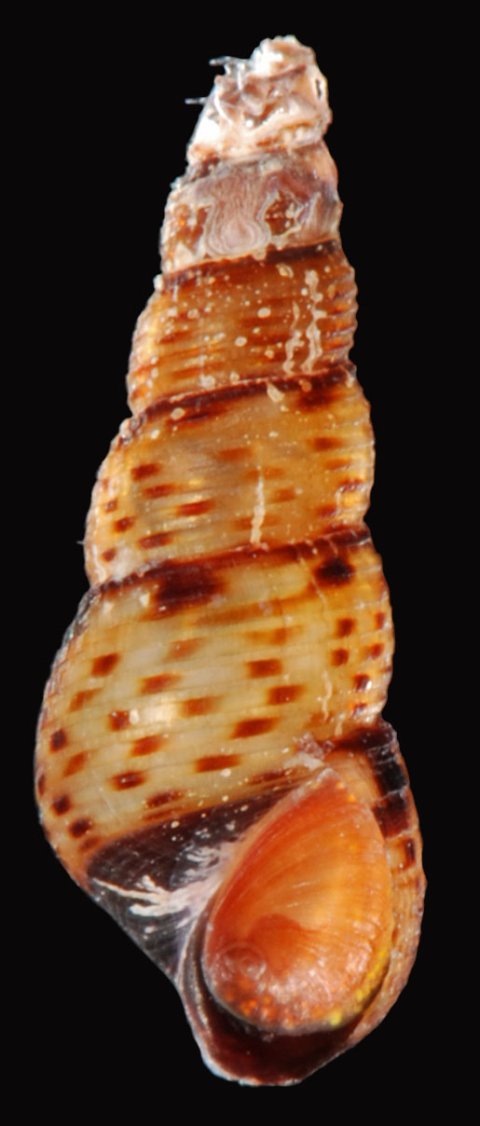 Malaysian trumpet snail Melanoides tuberculata 18–32 °C · pH 6.5–8.5 · GH 6–20 · KH 3–15 · 3 cm
-
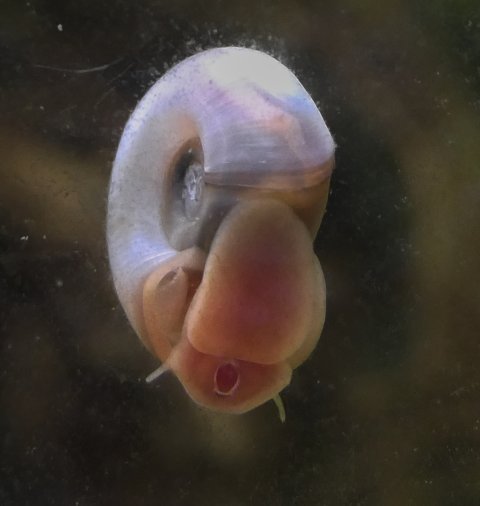 Seminole ramshorn Planorbella duryi 18–28 °C · pH 6.5–8.5 · GH 6–20 · KH 4–15 · 2 cm
All checks 2/2
2 of 2 passed. Notes count as passed but still affect the score.
- Passed Tank water type Water type (freshwater) suits all species.
- Passed Care level All species are considered beginner-friendly or manageable.
Data: values from one source each, a good guide but no guarantee.
Based on the approved care values of the encyclopedia and the active rulebook. Individual animals can differ. Missing data leads to a note, not a rating.