
Compatibility checker
Does your stock work together?
Put together your tank and stock and see straight away where water values, space, group size or predators clash and what you can do about it.
Result · Excellent
Fine so far
No conflicts found. Add volume, temperature, pH, GH, KH so the tank itself is checked too.
How the score is made up
Partial scores from 0 to 100. Unlike the checks, they also rate how close a value is to the limit, how full the tank is and how large the groups are.
- Water values 95
- Groups 100
Stocking
Enter a volume to see the upper limit. The stock needs about 28 l.
- Zebrafish 8 × 3.5 l = 28 l
Space needed
At least 80 l, because of Zebrafish.
Enter a volume to check the space.
- Zebrafish 80 l
Water window
Each bar shows one species’ range. The light area is the range that suits all of them, the line is your tank.
Swimming zones
How the stock spreads across the water layers, weighted by space needed.
- Top 100 % Zebrafish
- Middle free
- Bottom free
Shrimp
Whether shrimp suit this stock and which species fit.
Adults safe, young get eaten
Shrimp that fit
-
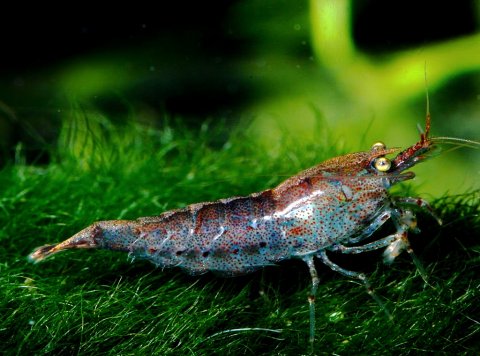 White pearl shrimp Neocaridina palmata 18–26 °C · pH 6.5–8 · GH 6–15 · KH 2–8 · 2.8 cm GH 6–15 · KH 2–8 · breeds in fresh water
-
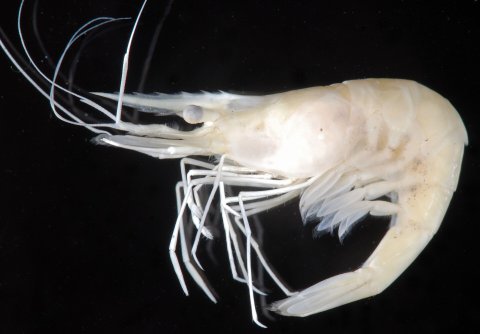 Ghost shrimp Palaemon paludosus 18–28 °C · pH 7–8 · GH 5–15 · KH 4–12 · 2.5 cm GH 5–15 · KH 4–12 · no young in fresh water
-
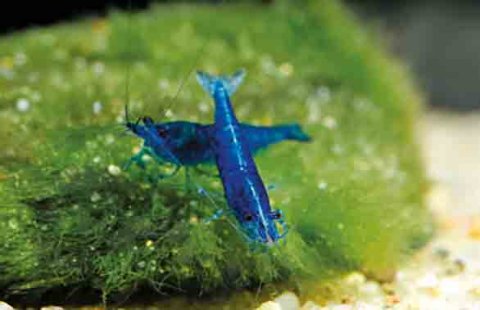 Cherry shrimp Neocaridina davidi 20–25 °C · pH 6.5–7.5 · GH 8–15 · KH 2–8 · 2.9 cm GH 8–15 · KH 2–8 · breeds in fresh water
-
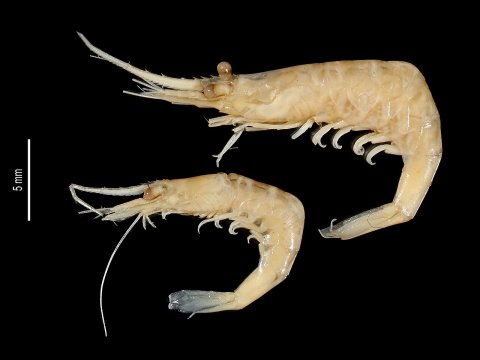 Red-nose shrimp Caridina gracilirostris 20–28 °C · pH 6.5–7.5 · GH 5–15 · KH 3–10 · 4 cm GH 5–15 · KH 3–10 · no young in fresh water
-
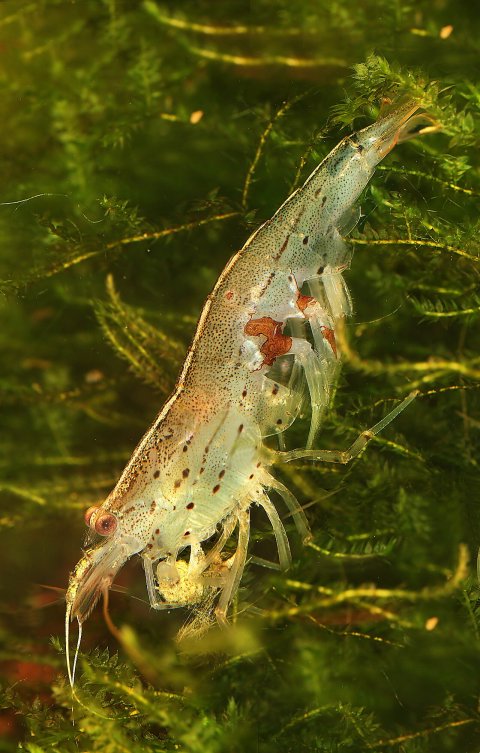 Amano shrimp Caridina multidentata 18–28 °C · pH 6.5–7.5 · GH 5–20 · KH 2–10 · 5 cm GH 5–20 · KH 2–10 · no young in fresh water
Plants
No plants yet. These suit the water values, swimming zones and behaviour of your stock.
Floating plants
Zebrafish stays near the top. Floating plants soften the light and give cover.
-
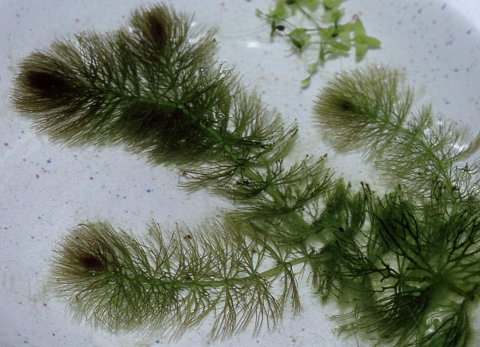 Soft hornwort Ceratophyllum submersum 15–28 °C · pH 6–8 · GH 3–20 · KH 2–15
-
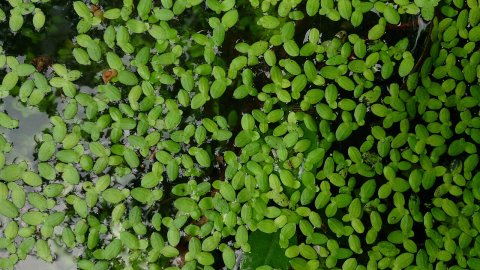 Common duckweed Lemna minor 10–28 °C · pH 6–8 · GH 3–20 · KH 2–15
-
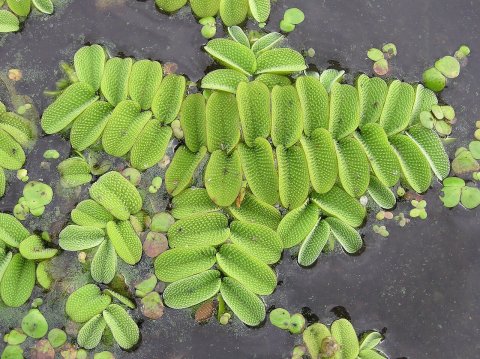 Floating fern Salvinia natans 18–28 °C · pH 6–8 · GH 3–20 · KH 2–15
-
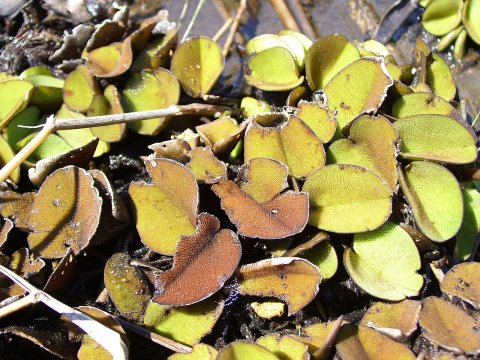 Eared watermoss Salvinia auriculata 18–28 °C · pH 6–8 · GH 3–20 · KH 2–15
Background
Tall plants in the background give structure and retreats.
-
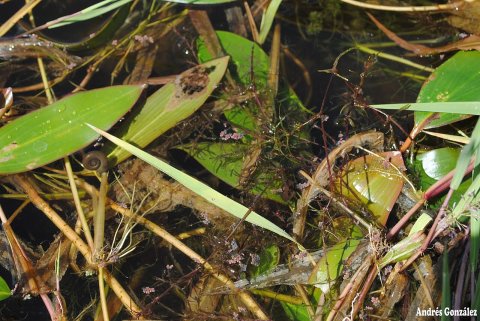 Southern waternymph Najas guadalupensis 18–28 °C · pH 6–8 · GH 3–20 · KH 2–15
-
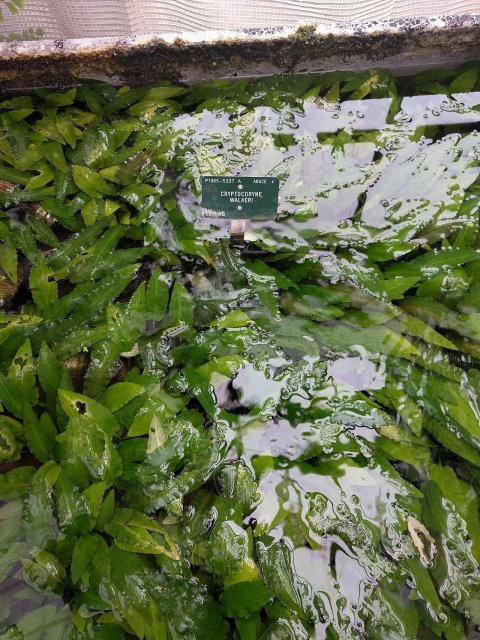 Cryptocoryne walkeri Cryptocoryne walkeri 20–28 °C · pH 6–7.5 · GH 3–15 · KH 2–10
-
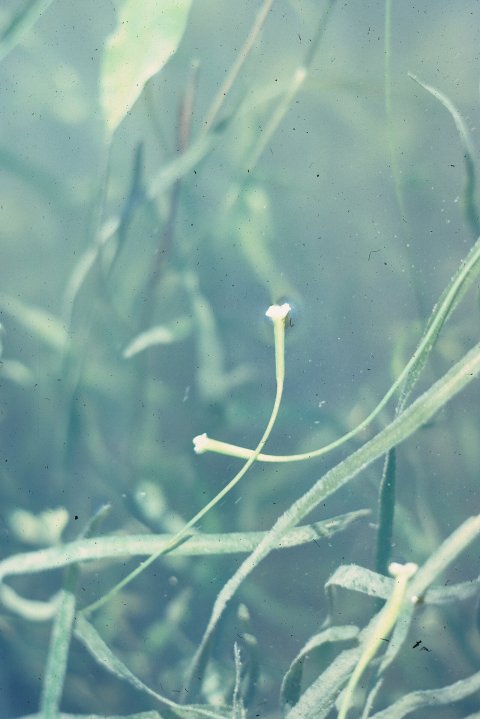 American eelgrass Vallisneria americana 18–28 °C · pH 6–8 · GH 5–20 · KH 3–15
-
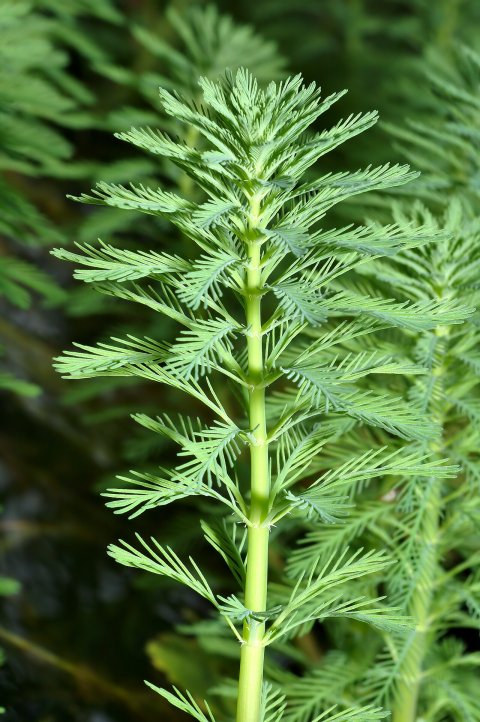 Parrot feather Myriophyllum aquaticum 15–26 °C · pH 6–8 · GH 3–20 · KH 2–15
Foreground
Low plants for the foreground.
-
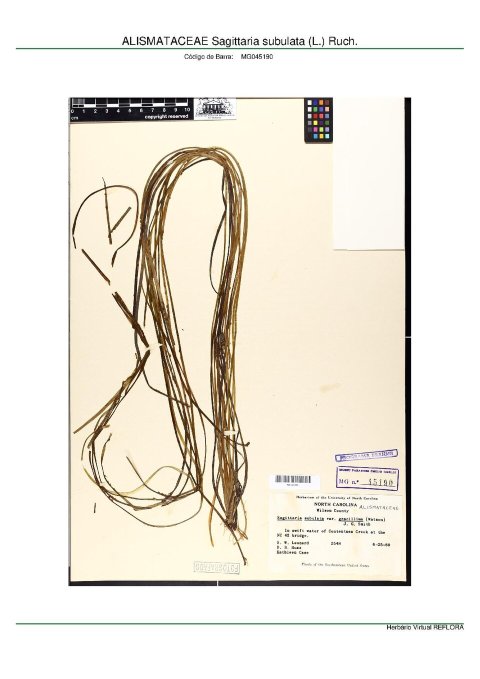 Dwarf sagittaria Sagittaria subulata 18–28 °C · pH 6–8 · GH 3–20 · KH 2–15
-
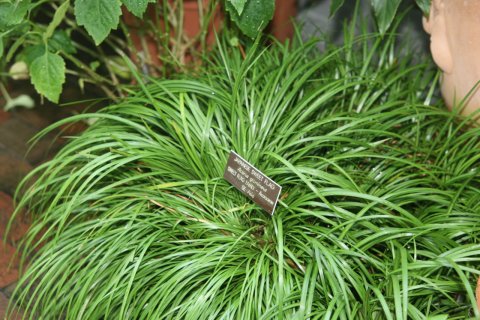 Japanese sweet flag Acorus gramineus 15–25 °C · pH 6–8 · GH 3–20 · KH 2–15
-
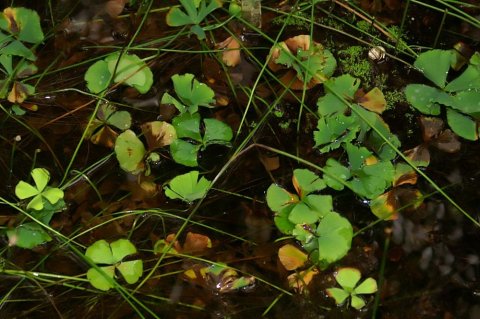 European waterclover Marsilea quadrifolia 15–26 °C · pH 6–8 · GH 3–20 · KH 2–15
-
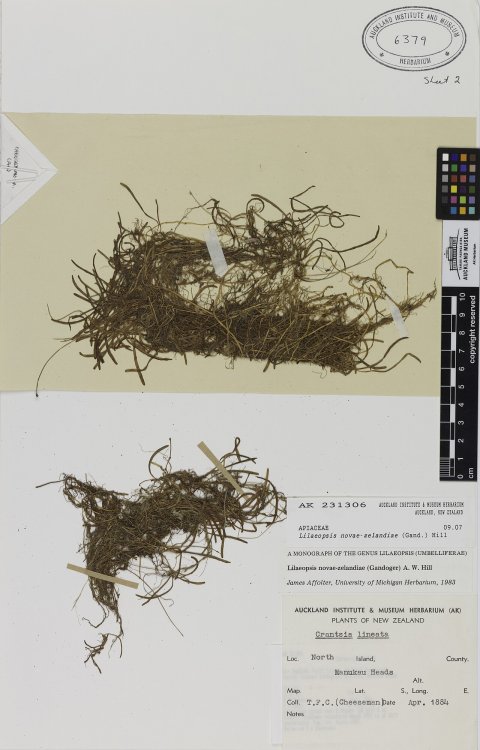 New Zealand grass plant Lilaeopsis novae-zelandiae 15–26 °C · pH 6–8 · GH 3–20 · KH 2–15
Goes well with it
Species whose water values, space needs and behaviour suit your tank and stock.
-
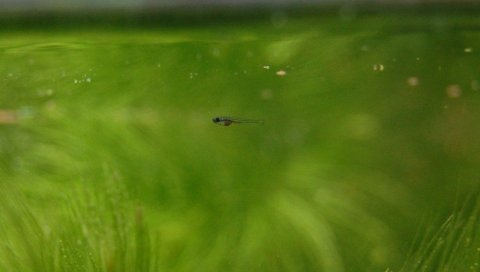 White cloud mountain minnow Tanichthys albonubes 16–22 °C · pH 6–8 · GH 5–19 · KH 3–10 · 3.5 cm For the free zone: Middle
-
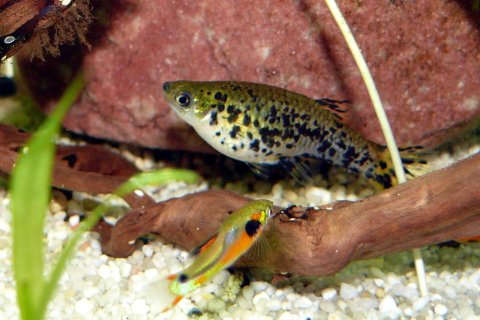 One-spot livebearer Phalloceros caudimaculatus 18–26 °C · pH 6.5–8 · GH 8–20 · KH 5–12 · 5 cm For the free zone: Middle
-
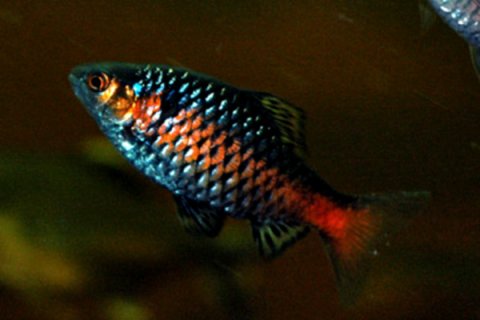 Odessa barb Pethia padamya 20–26 °C · pH 6.5–7.5 · GH 5–19 · KH 3–10 · 6 cm For the free zone: Middle
-
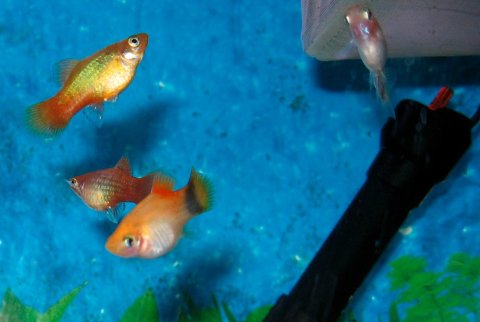 Southern platyfish Xiphophorus maculatus 18–25 °C · pH 7–8 · GH 9–19 · KH 5–12 · 6 cm For the free zone: Middle
-
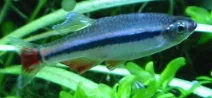 Vietnamese white cloud Tanichthys micagemmae 18–24 °C · pH 6.5–7.5 · GH 5–15 · KH 2–8 · 3 cm For the free zone: Middle
-
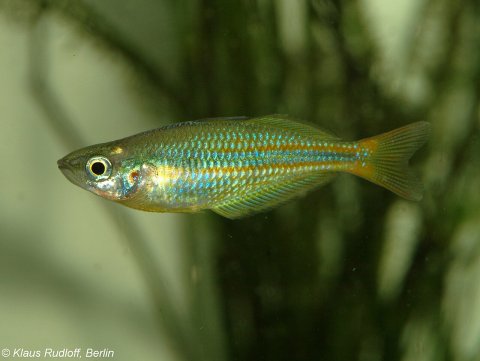 Lake Tebera rainbowfish Melanotaenia herbertaxelrodi 20–26 °C · pH 7–8 · GH 8–20 · KH 5–12 · 12 cm For the free zone: Middle
-
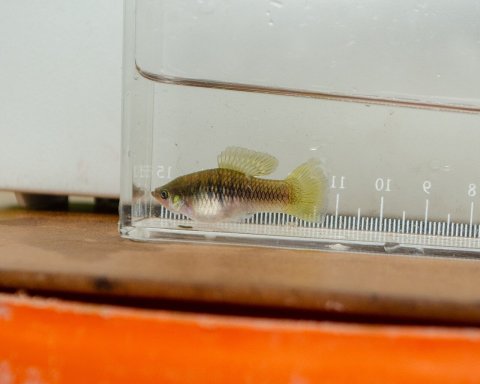 Variable platyfish Xiphophorus variatus 20–26 °C · pH 7–8.2 · GH 9–19 · KH 5–12 · 7 cm For the free zone: Middle
-
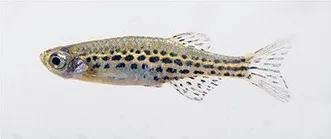 Gold ring danio Danio tinwini 20–25 °C · pH 6.5–7.5 · GH 5–15 · KH 2–8 · 3 cm For the free zone: Middle
-
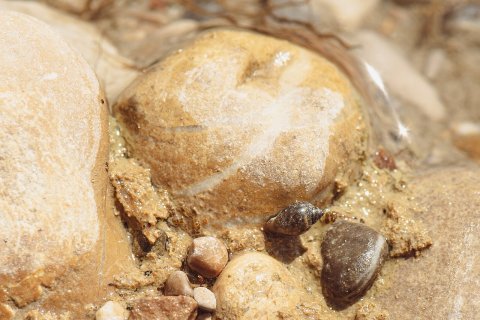 Acute bladder snail Physella acuta 10–28 °C · pH 6.5–8.5 · GH 5–20 · KH 3–15 · 1.2 cm For the free zone: Bottom
-
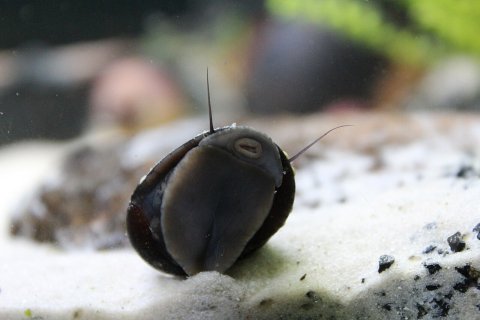 Black helmet nerite Neritina pulligera 18–30 °C · pH 7–8.5 · GH 8–18 · KH 5–12 · 4 cm For the free zone: Bottom
-
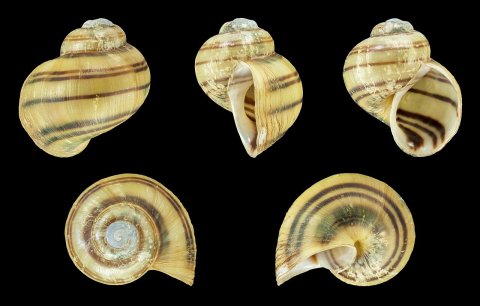 Zebra apple snail Asolene spixii 20–28 °C · pH 7–8 · GH 8–18 · KH 4–12 · 2.5 cm For the free zone: Bottom
-
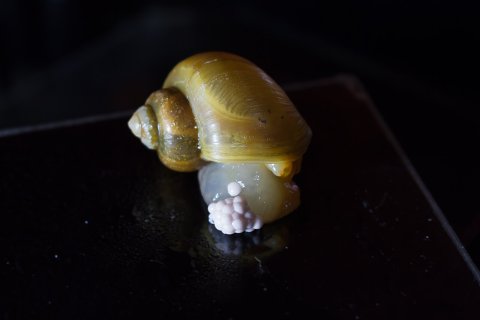 Spike-topped apple snail Pomacea diffusa 20–28 °C · pH 7–8 · GH 8–18 · KH 4–12 · 5 cm For the free zone: Bottom
-
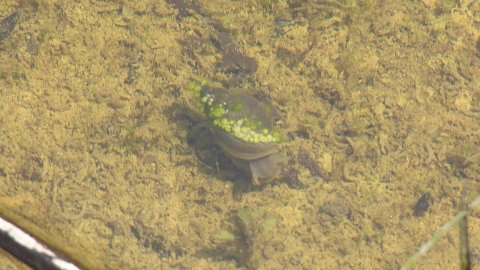 Great pond snail Lymnaea stagnalis 10–22 °C · pH 7–8.5 · GH 8–20 · KH 5–15 · 7 cm
-
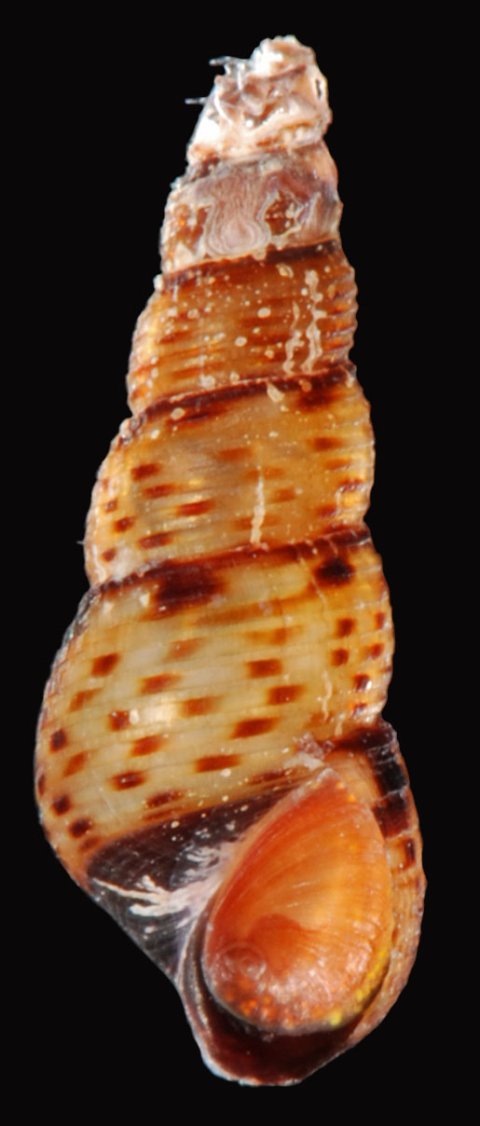 Malaysian trumpet snail Melanoides tuberculata 18–32 °C · pH 6.5–8.5 · GH 6–20 · KH 3–15 · 3 cm For the free zone: Bottom
-
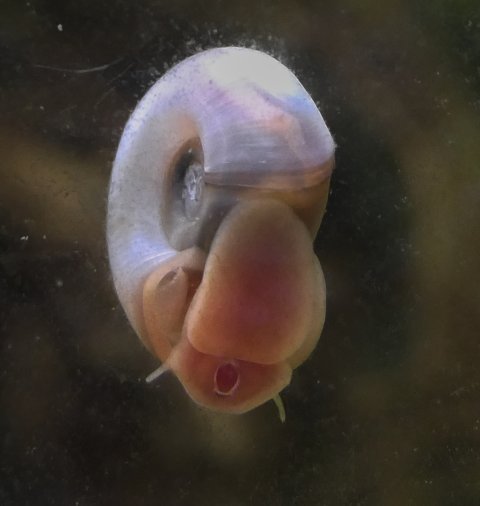 Seminole ramshorn Planorbella duryi 18–28 °C · pH 6.5–8.5 · GH 6–20 · KH 4–15 · 2 cm For the free zone: Bottom
-
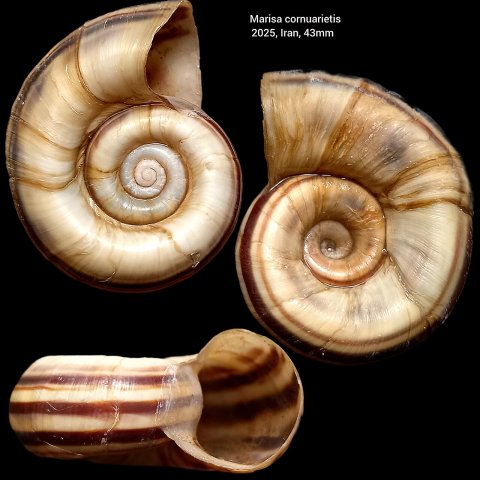 Colombian ramshorn apple snail Marisa cornuarietis 21–28 °C · pH 7–8.5 · GH 8–20 · KH 5–15 · 5 cm For the free zone: Bottom
All checks 3/3
3 of 3 passed. Notes count as passed but still affect the score.
- Passed Tank water type Water type (freshwater) suits all species.
- Passed Group size Group sizes are fine.
- Passed Care level All species are considered beginner-friendly or manageable.
Data: values from one source each, a good guide but no guarantee.
Based on the approved care values of the encyclopedia and the active rulebook. Individual animals can differ. Missing data leads to a note, not a rating.